Sweden
The Baltic States in a nutshell
- Ferry crossings:
- Tallinn – Helsinki for coach and passengers
- Turku – Stockholm for coach and passengers
 Essential tour
 Top destination
 Tour
7 daysper person from584 €

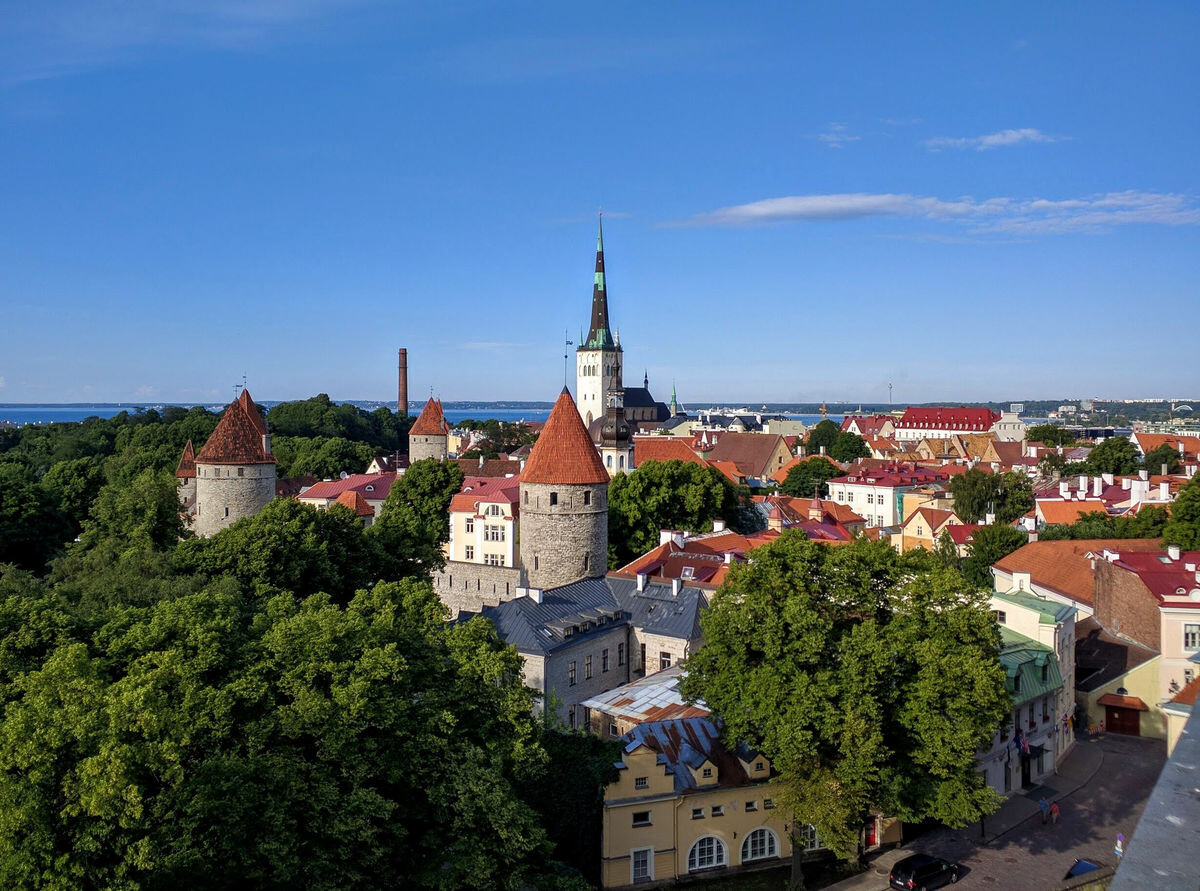
Three countries, fascinating old towns and unspoilt Baltic landscapes – discover the Baltic States together.
The Baltic States bring together three distinct countries with an extraordinary variety of historic old towns, cultural traditions and natural landscapes. In Estonia’s capital Tallinn, medieval city walls and Hanseatic history shape the city centre. Latvia’s capital Riga is known for its historic old town and outstanding Art Nouveau architecture. Vilnius in Lithuania delights visitors with Baroque churches, winding streets and vibrant city life. Beyond the capitals, national parks, river valleys, islands and coastal landscapes, castles and palaces offer a wealth of experiences. Whether a tour actually covers all three countries and which sights are included depends solely on the original tour offer in question.
10 Tours found
Sweden
Essential tourTop destinationTour
Latvia
Essential tourTop destinationTour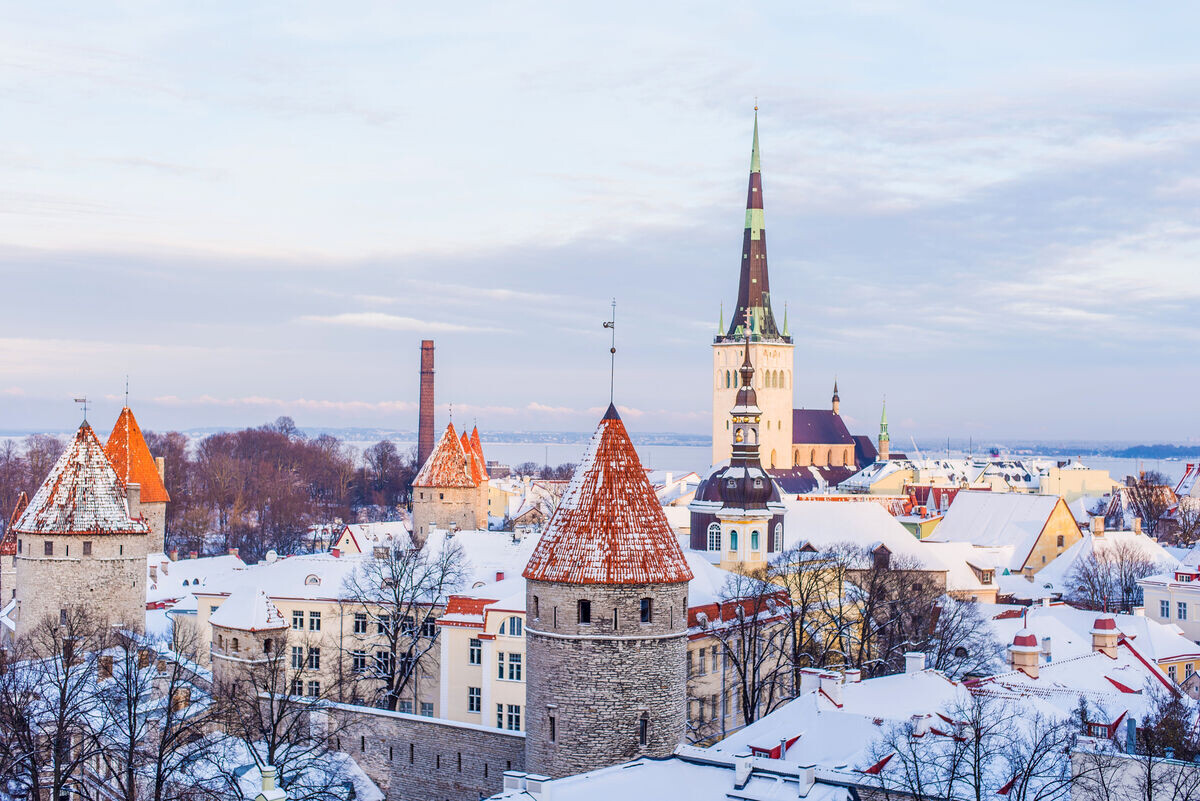
Estonia
Essential tour Advent
 City break
 Christmas
Lithuania
TourLithuania
Essential tourTop destinationTour
Poland
Essential tourTop destinationTour6 of 10 Tours
Travel guide
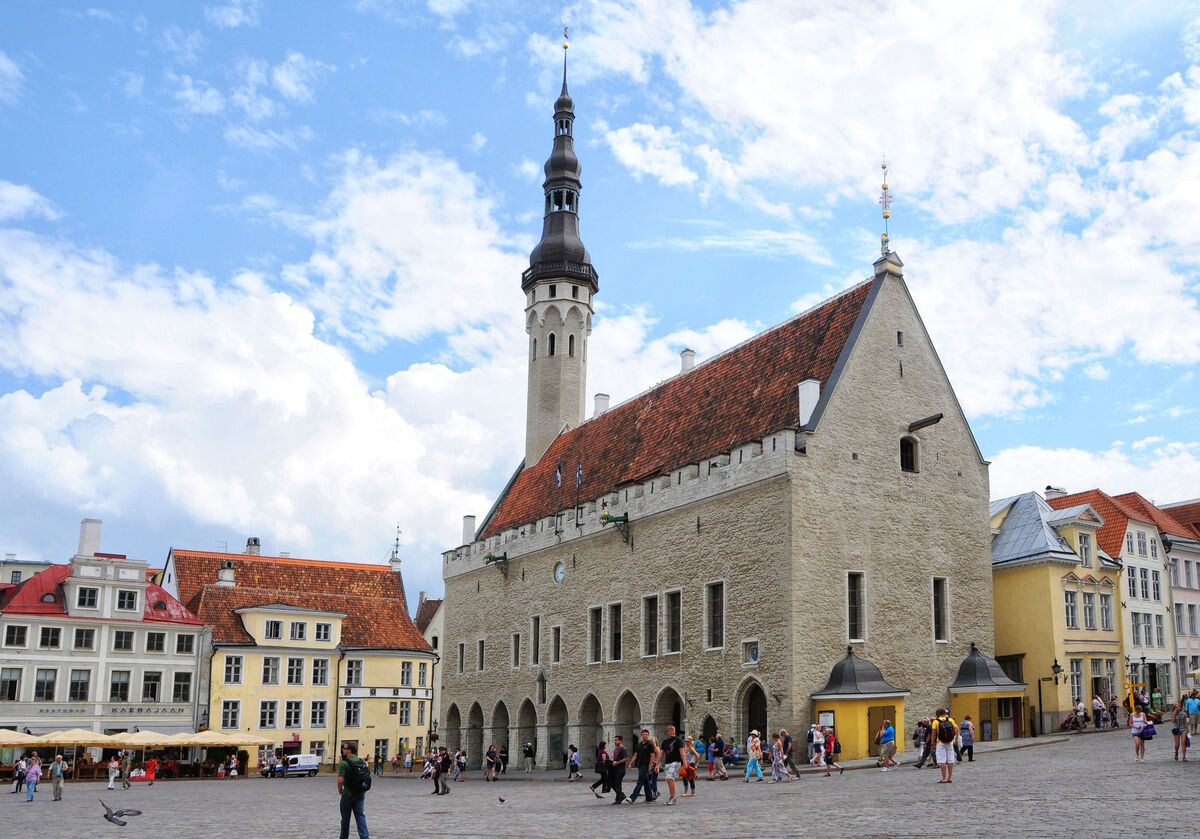
The medieval old town of the Estonian capital is a UNESCO World Heritage Site. City walls, merchants’ houses, church towers and the streets around Town Hall Square recall Tallinn’s past as an important Hanseatic city.
AI-generated illustration
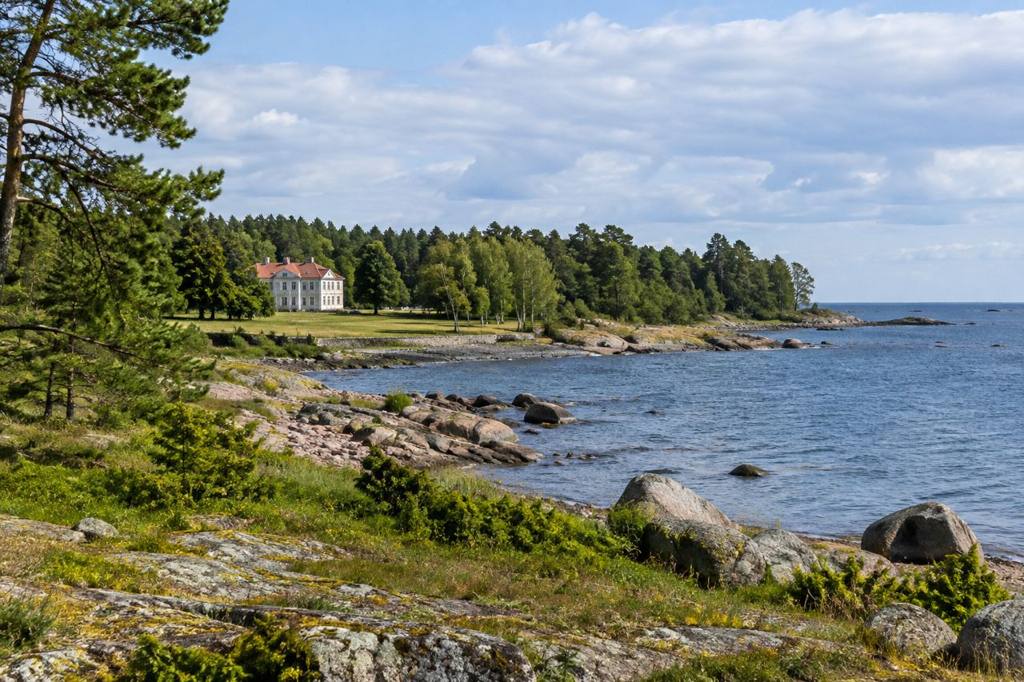
East of Tallinn, Lahemaa brings together varied coastal scenery, forests, bogs and historic manor houses. Nature walks and sightseeing offer different perspectives on Estonia from those of a city visit.
AI-generated illustration
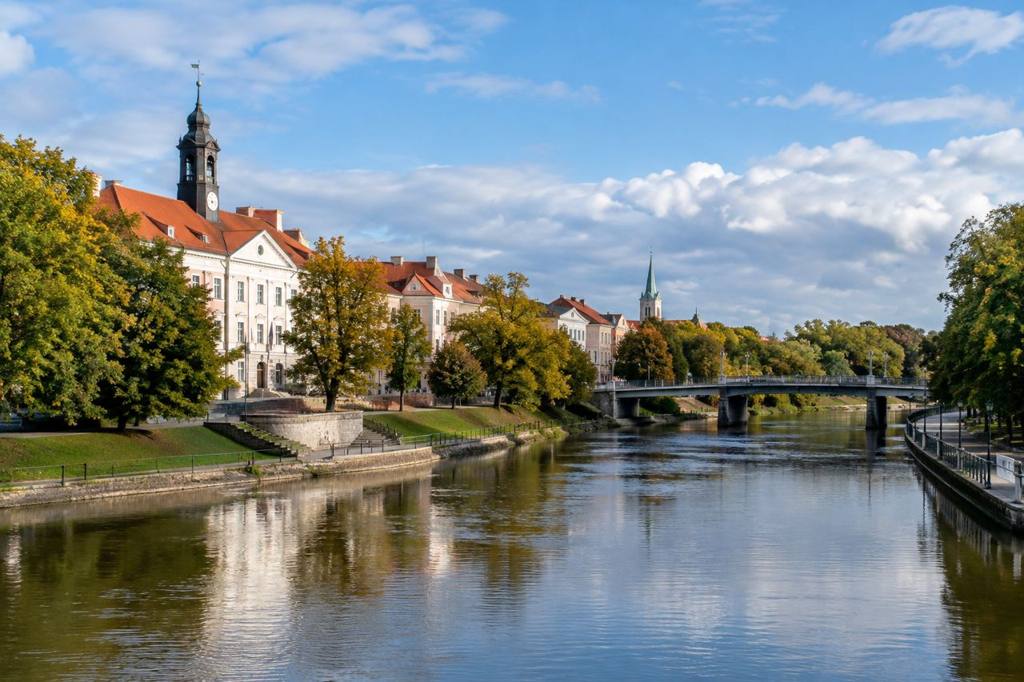
The university city of Tartu in southern Estonia is shaped by its academic history and vibrant cultural life. The historic centre and the banks of the Emajõgi invite exploration on foot.
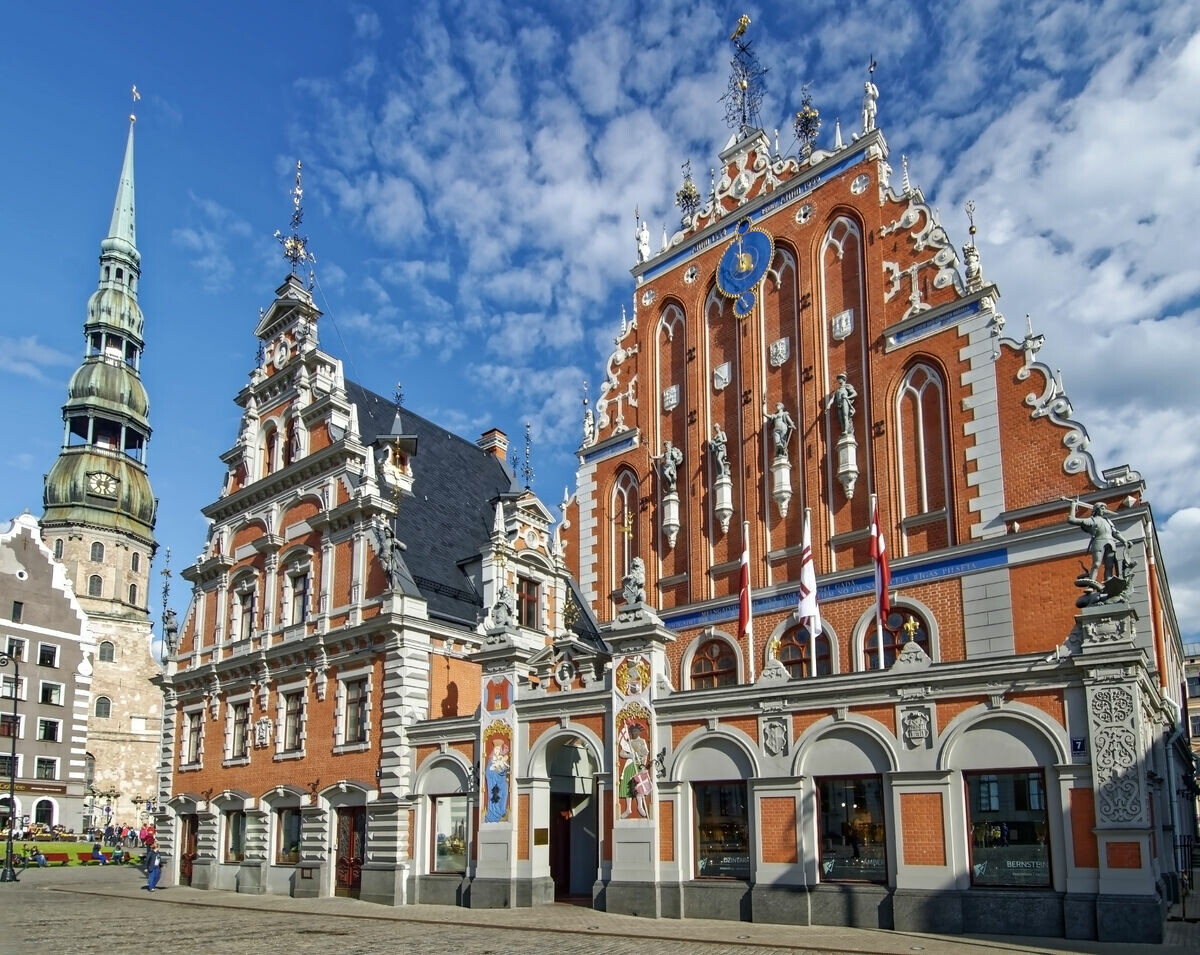
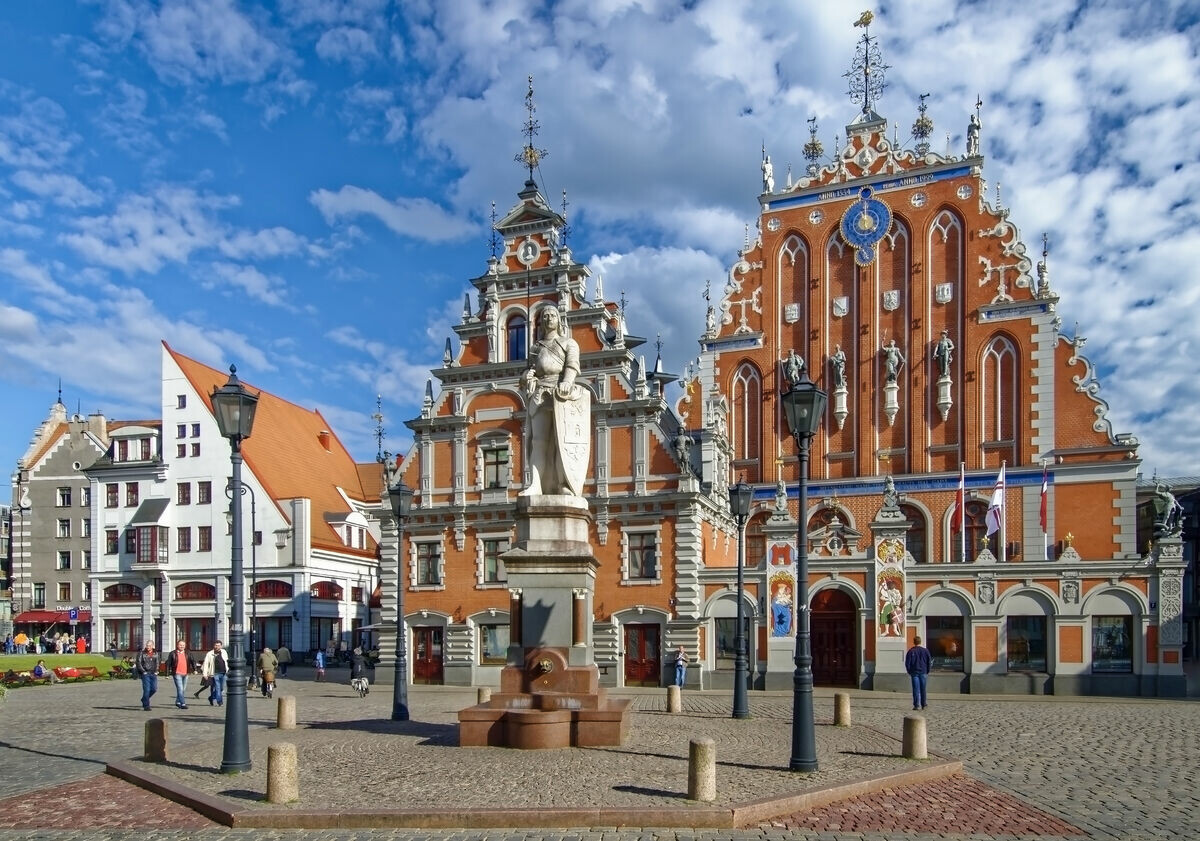
The old town of the Latvian capital and its surrounding urban area are a UNESCO World Heritage Site. Medieval buildings stand alongside outstanding Art Nouveau façades, giving Riga a particularly diverse architectural character.
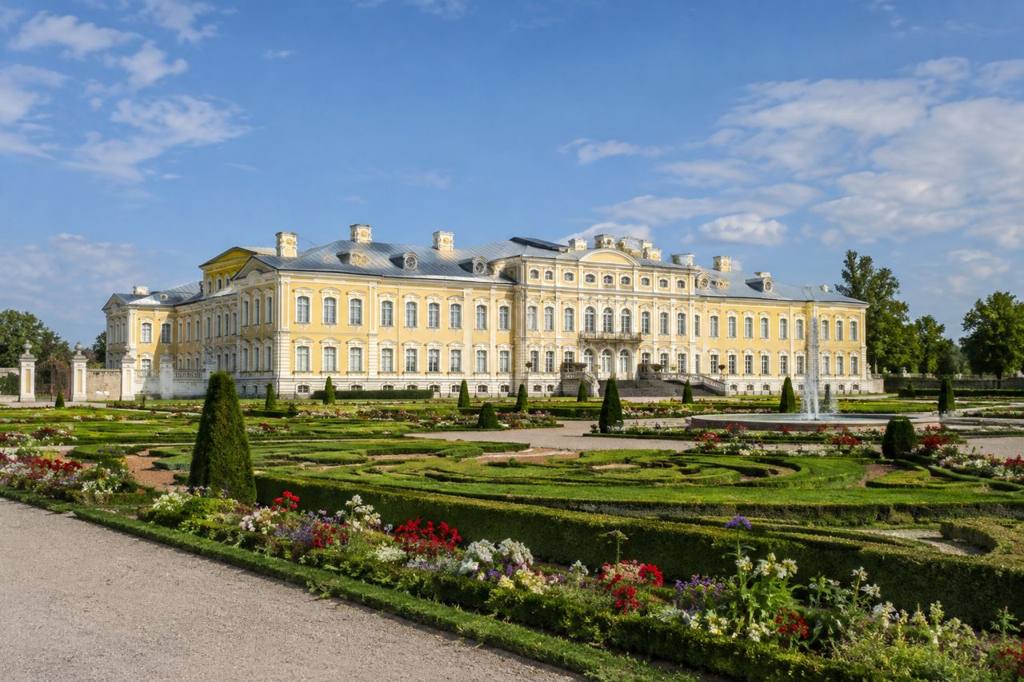
AI-generated illustration
South of Riga lies the magnificent Baroque and Rococo palace complex of Rundāle. The palace rooms and gardens recall the region's courtly history; visiting times should be checked separately.
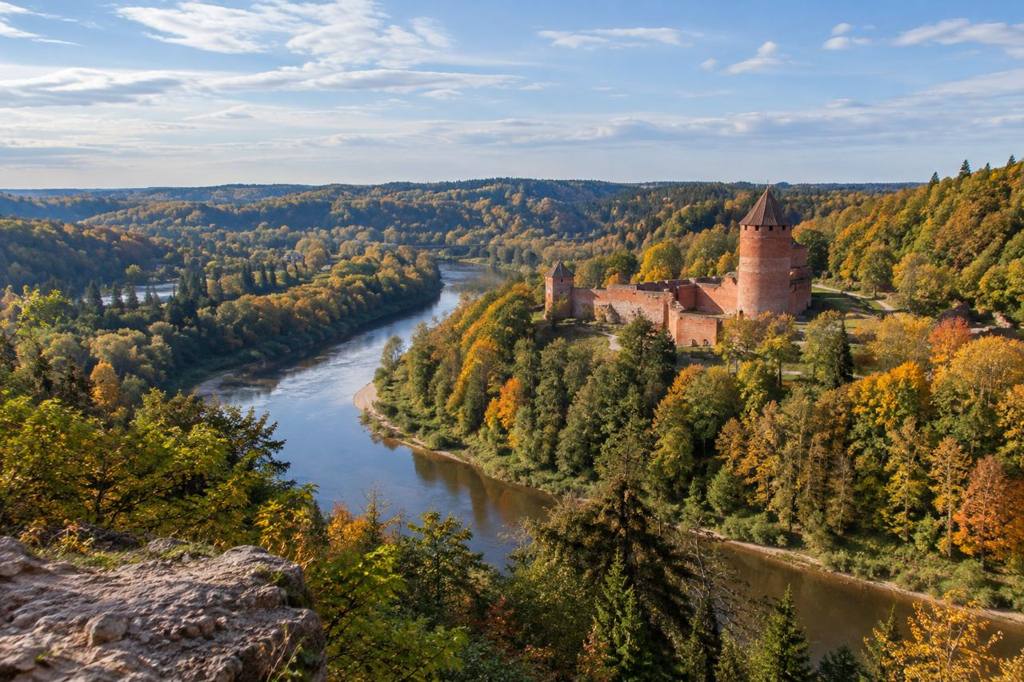
AI-generated illustration
The wooded river landscape of the Gauja offers viewpoints, castles and nature trails. Around Sigulda and Turaida, scenic experiences combine with Baltic regional history.
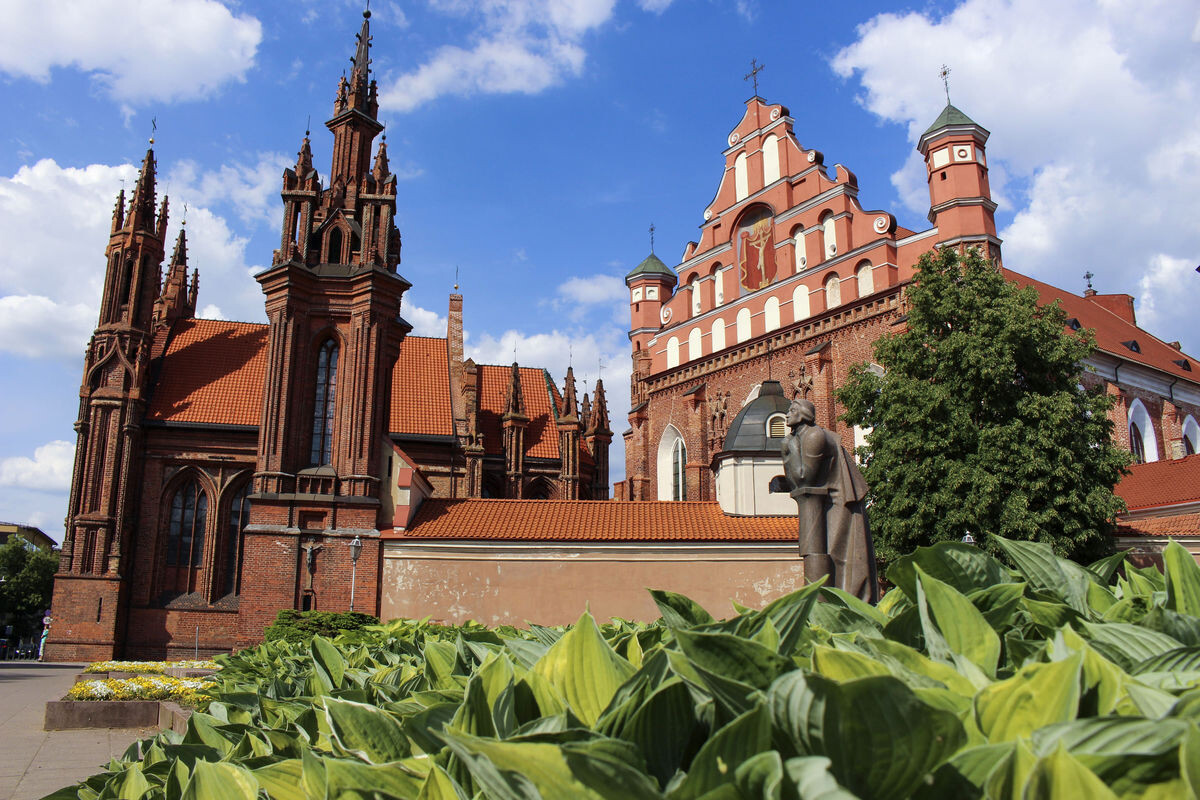
The historic centre of the Lithuanian capital is a UNESCO World Heritage Site, bringing together Gothic, Renaissance and Baroque architecture. Churches, courtyards and winding streets bring the city's many layers of history to life.
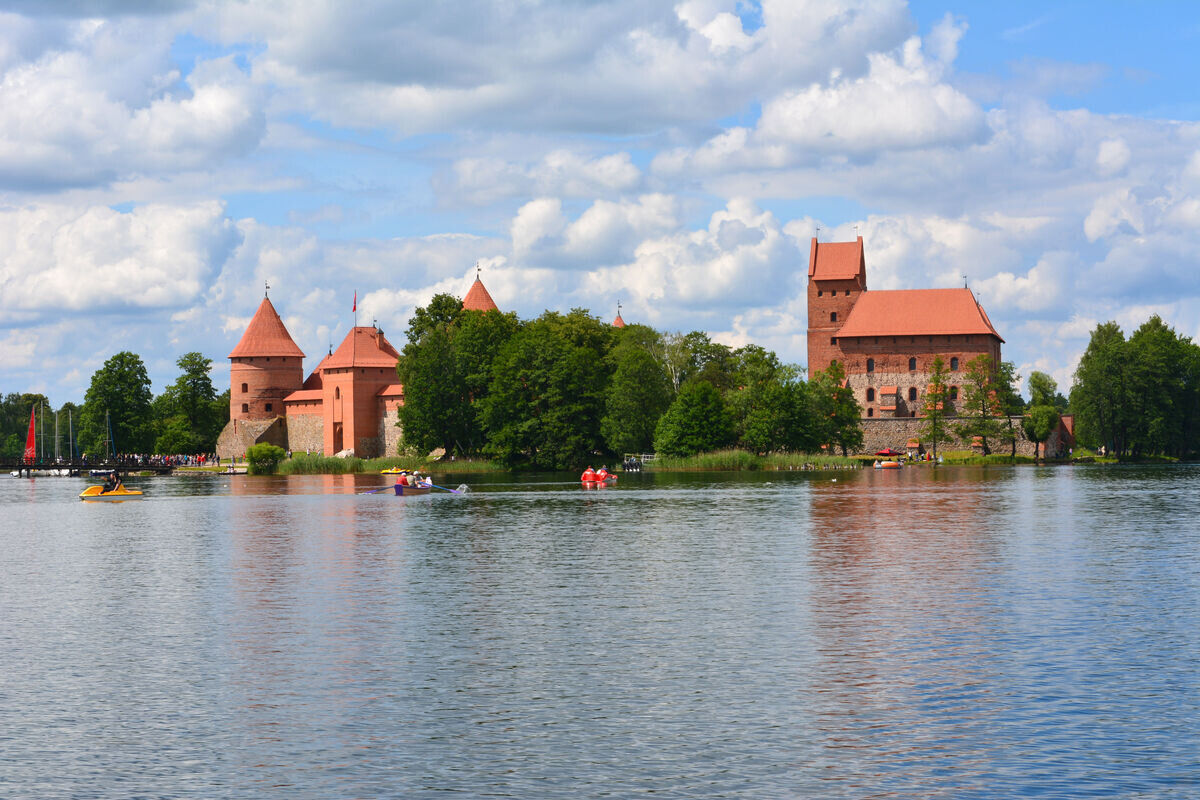
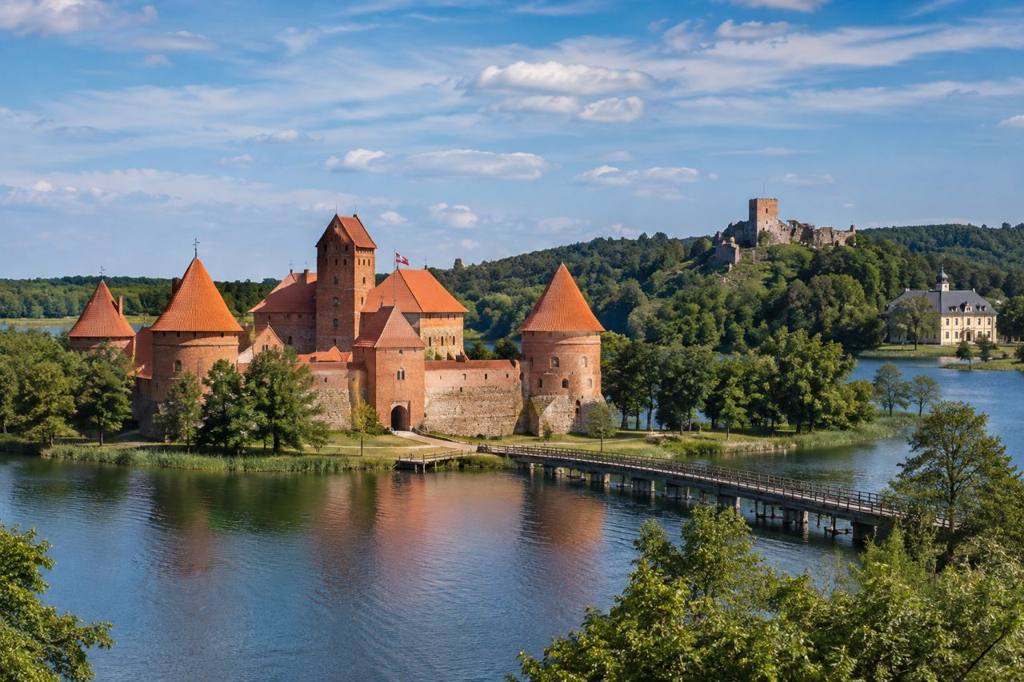
Situated on an island in Lake Galvė, Trakai Castle was an important site for the Grand Dukes of Lithuania. Its reconstructed walls and towers form a distinctive backdrop amid lakes and woodland.
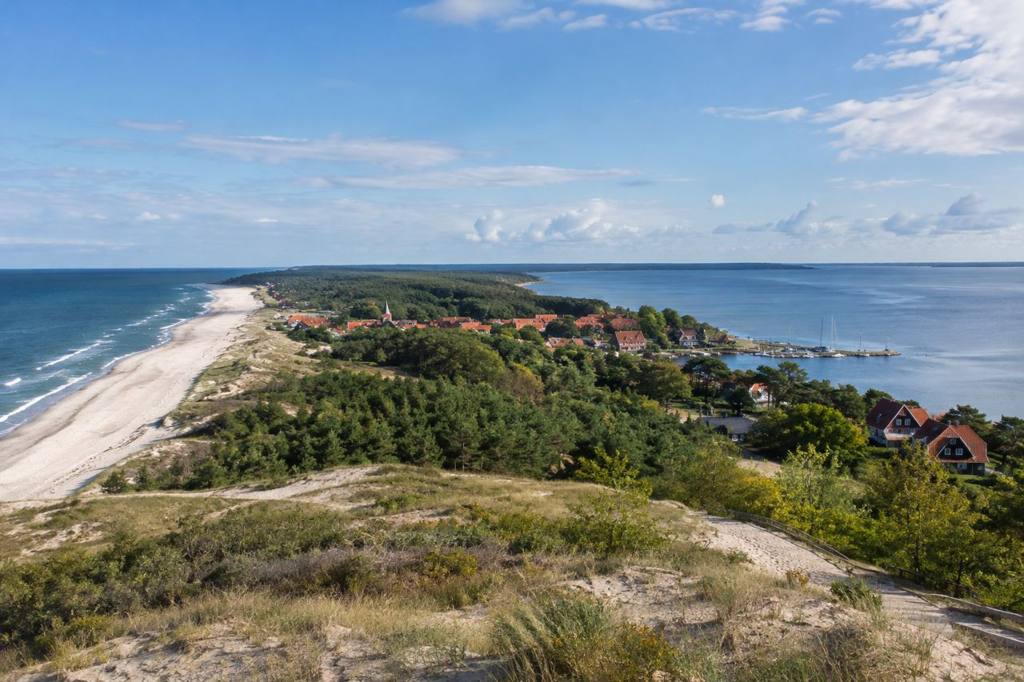
AI-generated illustration
This narrow landscape of dunes and forests between the Baltic Sea and the Curonian Lagoon is a cross-border UNESCO World Heritage Site. The Lithuanian section, including Nida, combines coastal scenery, fishing village traditions and wildlife watching.
Regions
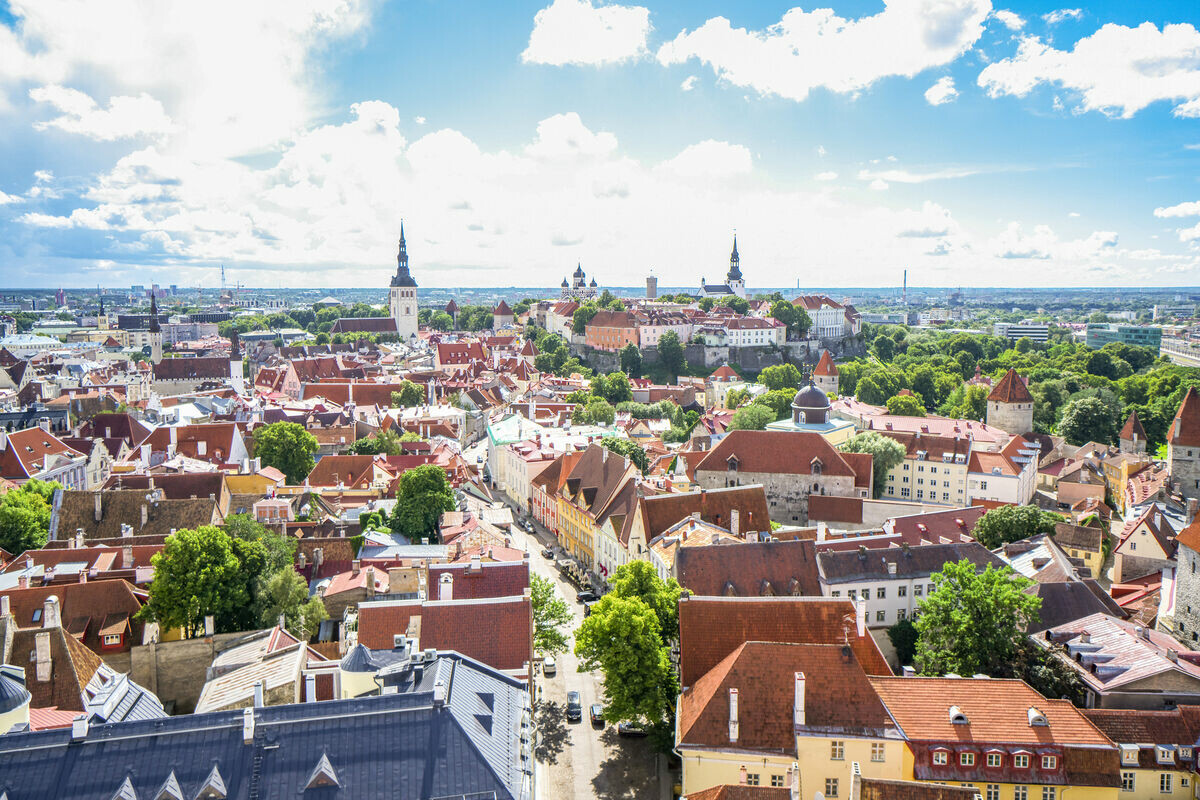
The historic capital, the Baltic coast and the Lahemaa National Park area combine medieval urban history with coastal scenery.
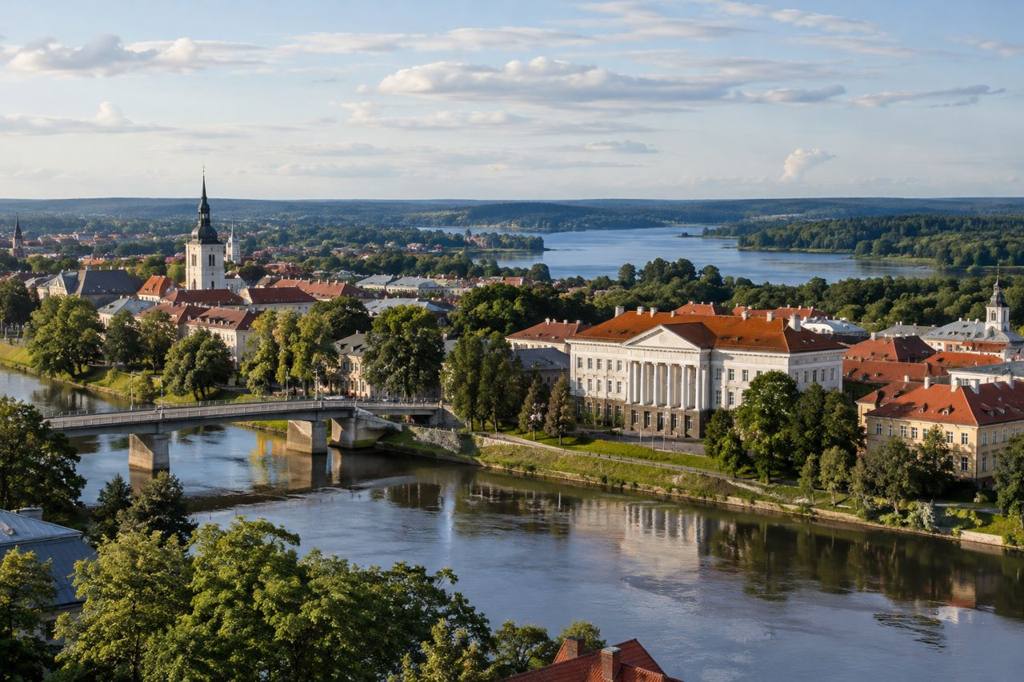
AI-generated illustration
University culture, small towns, lakes and wooded landscapes characterise southern Estonia, away from the much-visited capital region.
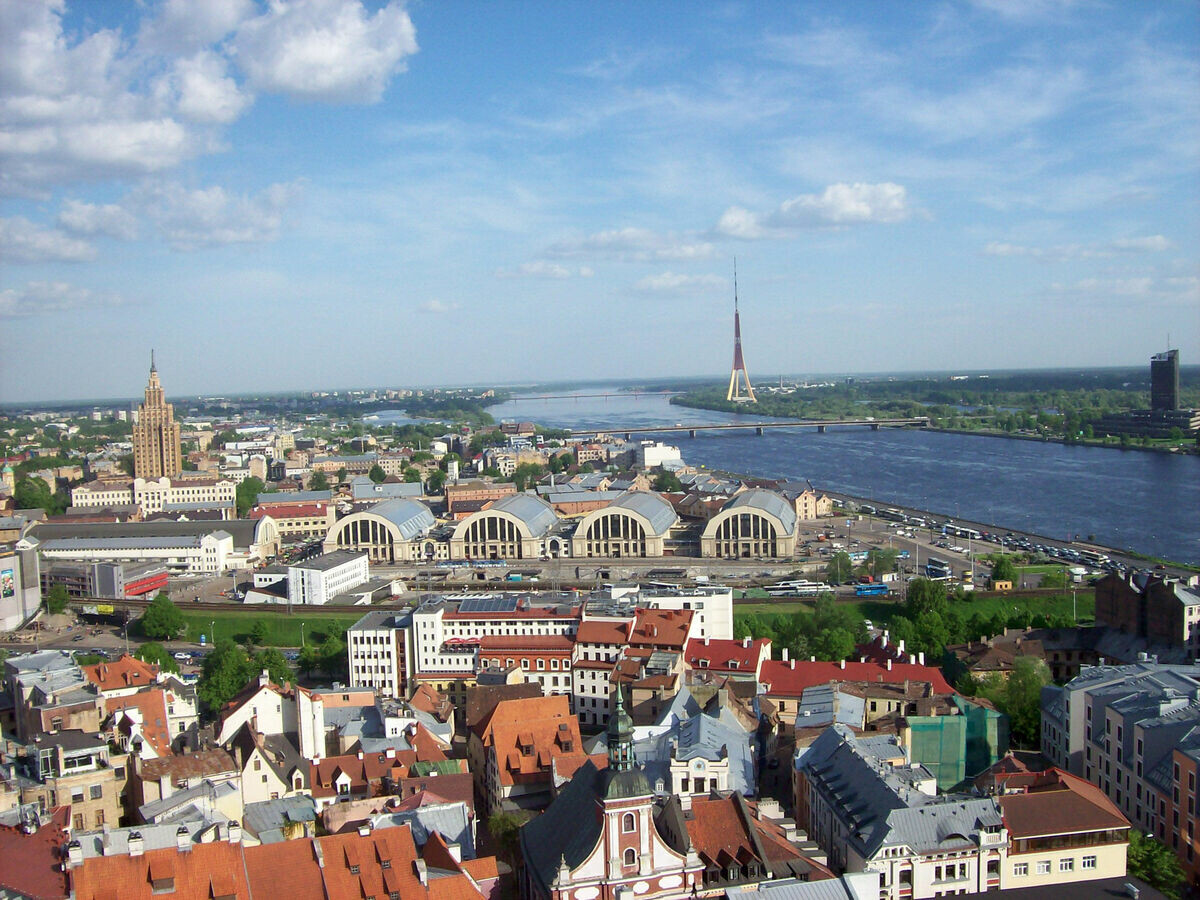
Riga's historic city centre, Art Nouveau architecture and places to visit such as Rundāle Palace offer insights into Latvia's rich culture and history.
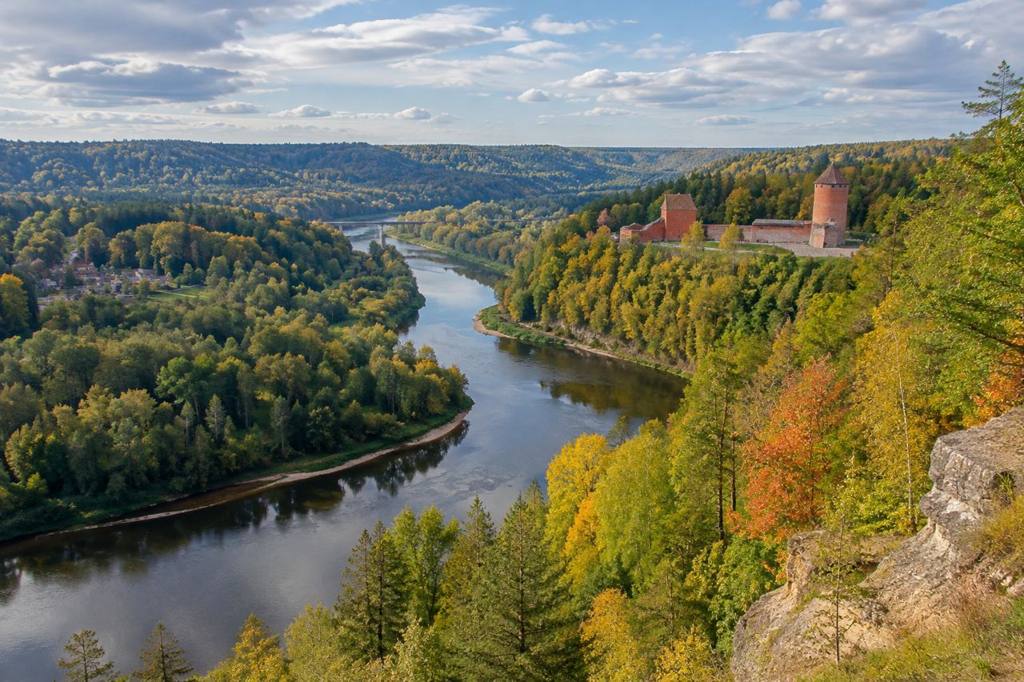
AI-generated illustration
The region north and east of Riga is characterised by valleys, castles, rivers and nature trails; Sigulda is a well-known base for exploring.
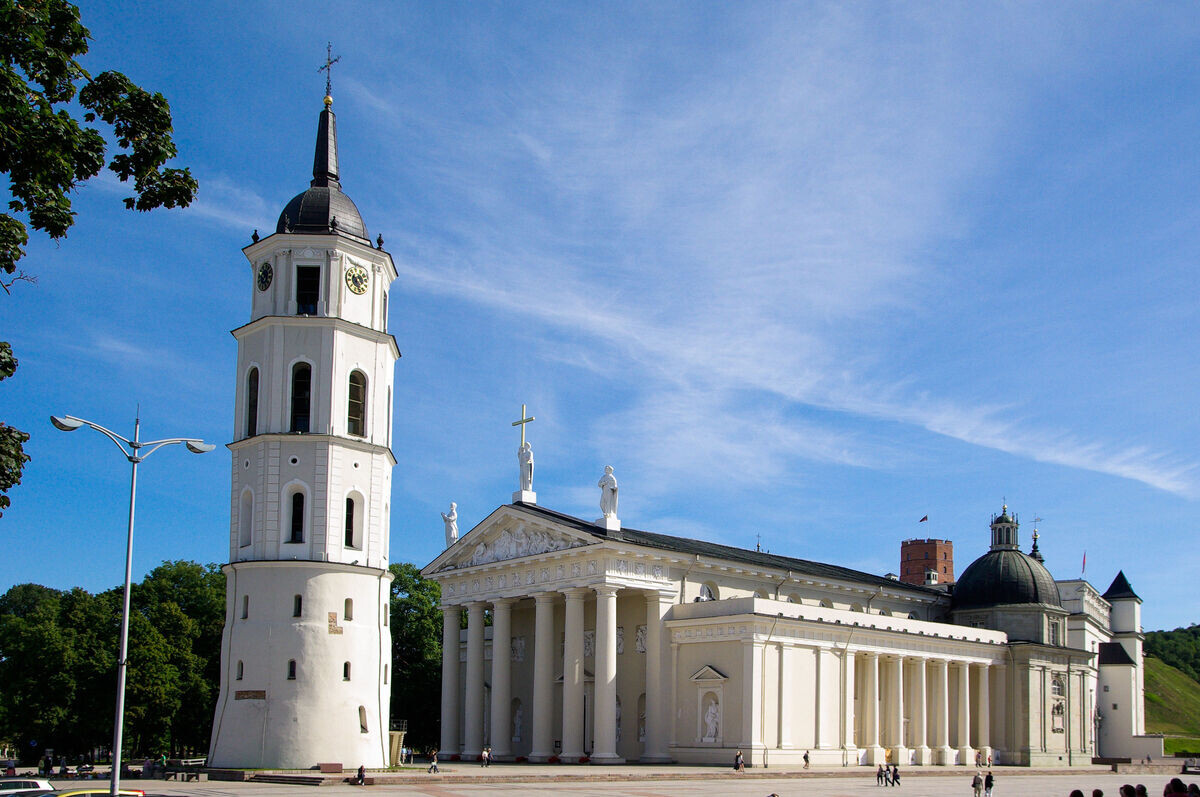
The capital with its UNESCO-listed centre and the landscape of lakes and castles around Trakai form one of Lithuania's cultural heartlands.
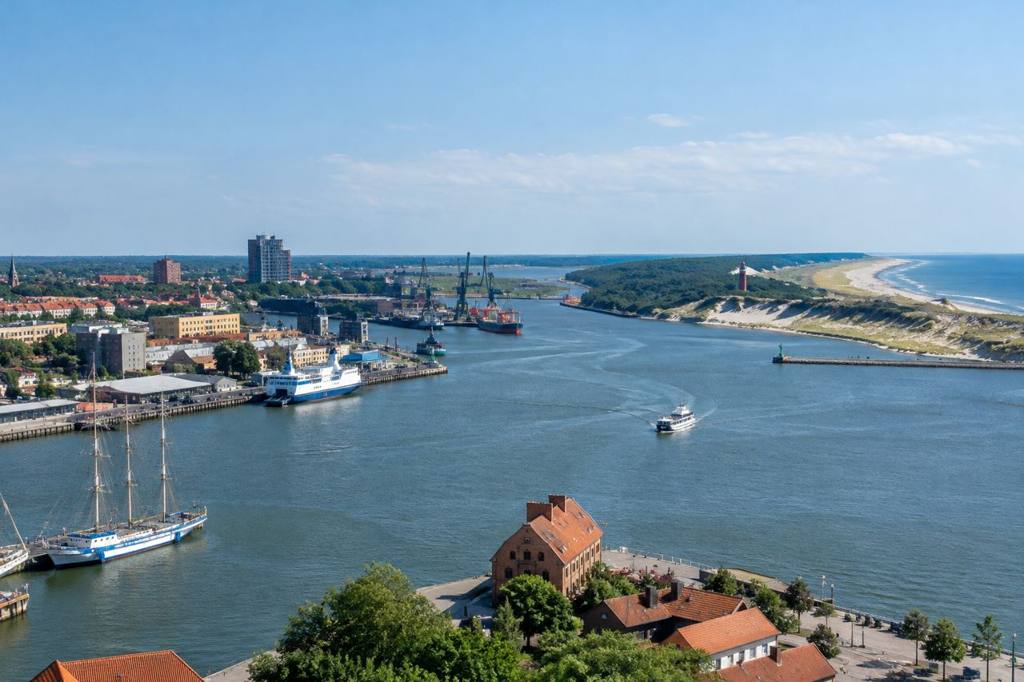
AI-generated illustration
The port city of Klaipėda is a gateway to the Curonian Lagoon and the dunes of the Curonian Spit; ferry services and access to natural areas should be checked for the season.
Experiences
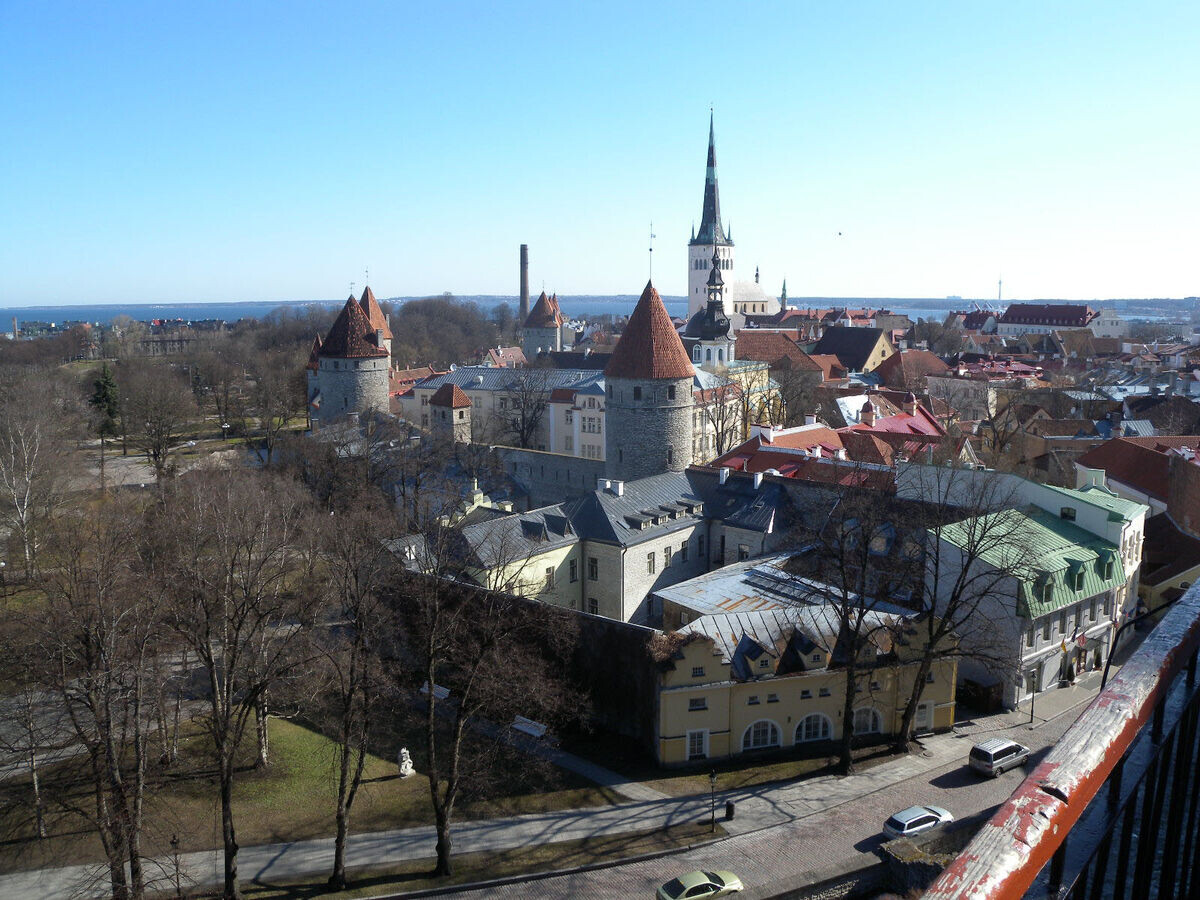
Tallinn, Riga and Vilnius reveal different urban histories, architectural styles and national identities. Whether all three cities are visited on the same trip can only be determined from the actual itinerary.
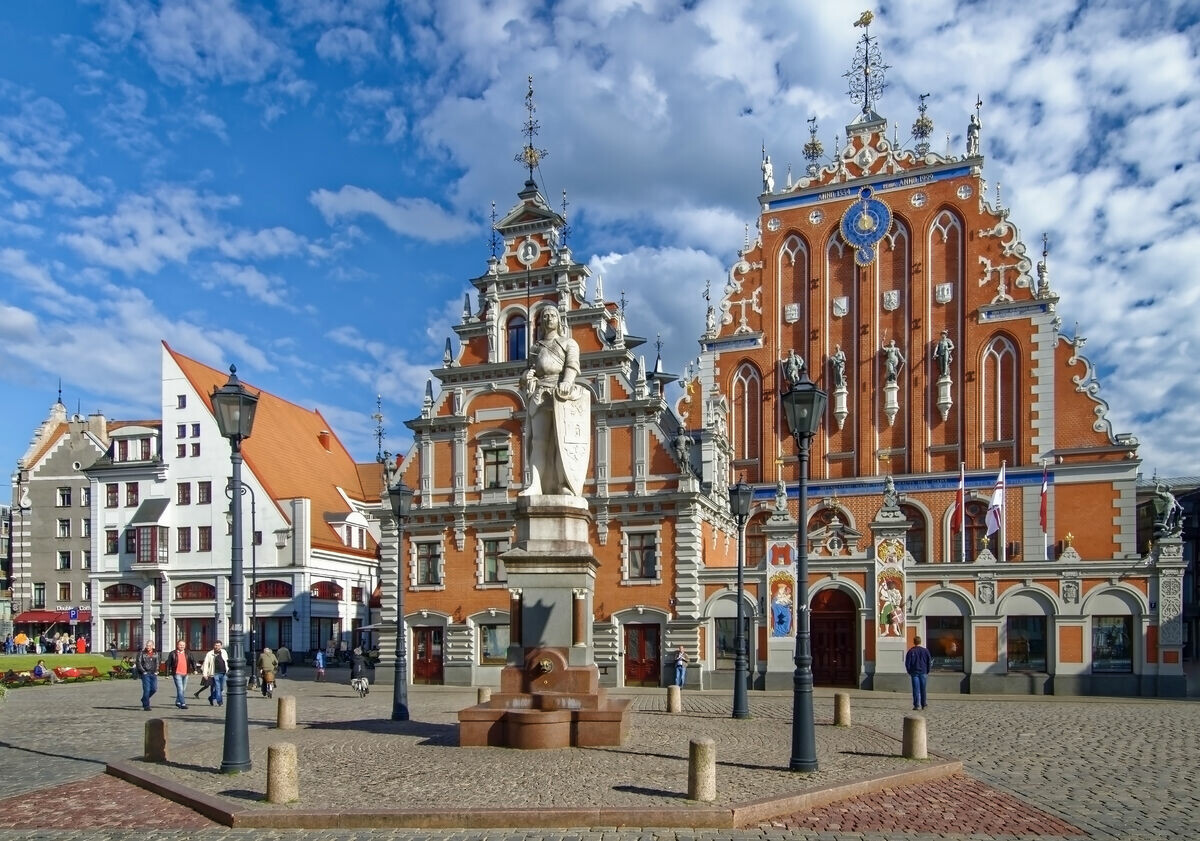
Historic city centres, Gothic churches, merchants' houses and Baroque ensembles tell stories of trade, religion and culture in the eastern Baltic region.
Coasts, bogs, forests and river valleys offer varied nature experiences, for example in Lahemaa or along the Gauja. The extent of activities and their physical demands depend on the programme.
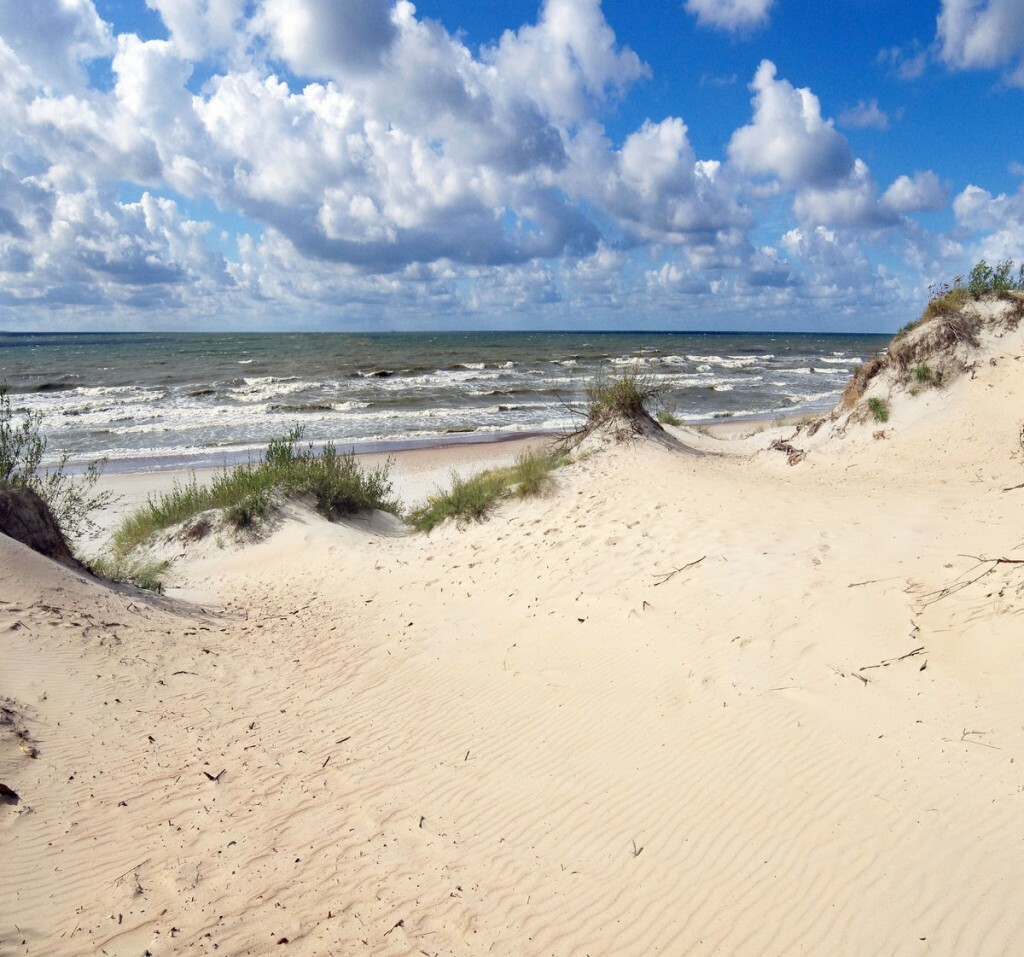
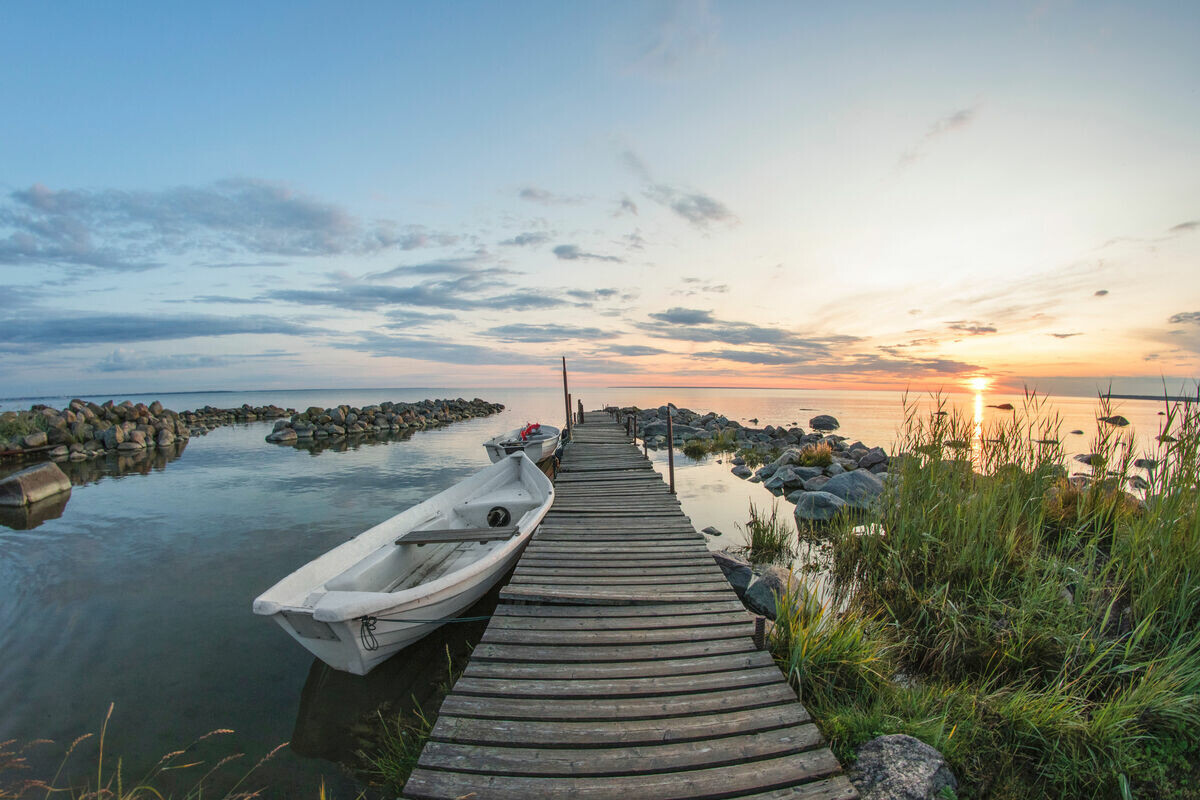
Estonia's coast and the Curonian Spit offer Baltic seascapes, seaside towns and distinctive natural areas to discover. Ferry trips or sightseeing visits are not automatically included.
AI-generated illustration
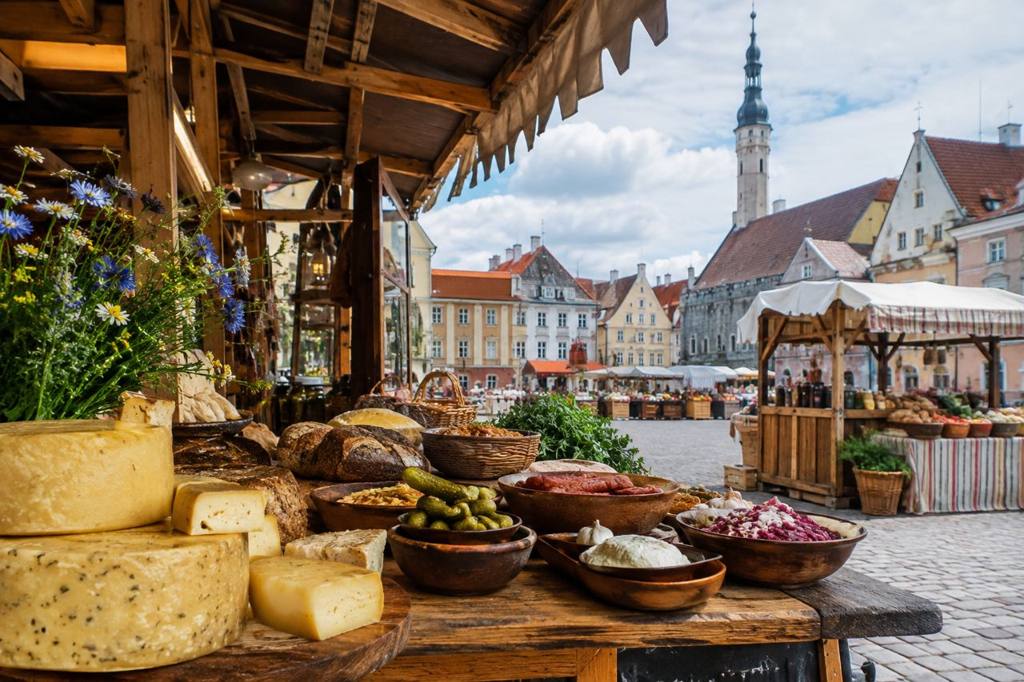
Traditional dishes, markets and cafés offer insights into the different food cultures of Estonia, Latvia and Lithuania. Tastings or set meals must be expressly included in the relevant tour package.
AI-generated illustration
Trakai, Rundāle and the castles of the Gauja Valley offer insights into former centres of power and trade. Specific visits and admission tickets are included only as stated in the tour package.
When to travel
From medieval city walking tours and cultural excursions to walks through national parks and along the Baltic Sea – the best time to travel depends on the planned programme. The following overview provides seasonal guidance, not a guarantee of dates, weather or access to attractions.
| Travel experience | JJan | FFeb | MMar | AApr | MMay | JJun | JJul | AAug | SSep | OOct | NNov | DDec |
|---|---|---|---|---|---|---|---|---|---|---|---|---|
| Historic city tours | – | – | – | suitable | suitable | suitable | suitable | suitable | suitable | suitable | – | – |
| Museums and cultural buildings | suitable | suitable | suitable | suitable | suitable | suitable | suitable | suitable | suitable | suitable | suitable | suitable |
| National parks and easy walks | – | – | – | – | suitable | suitable | suitable | suitable | suitable | – | – | – |
| Baltic coast and Curonian Spit | – | – | – | – | suitable | suitable | suitable | suitable | suitable | – | – | – |
| White nights and long summer days | – | – | – | – | – | suitable | suitable | – | – | – | – | – |
| Autumn nature and cultural tours | – | – | – | – | – | – | – | – | suitable | suitable | – | – |
| Advent season and Christmas markets | – | – | – | – | – | – | – | – | – | – | suitable | suitable |
Weather, daylight hours, ferry connections, seasonal openings and event-dependent offerings vary between Estonia, Latvia and Lithuania.
Useful information
The Baltic region consists of three independent countries: Estonia, Latvia and Lithuania. They share a location on the eastern Baltic Sea, but their languages and cultural traditions differ considerably. Their historical connections range from Hanseatic cities and historic trade routes to distinct national developments. Cities such as Tallinn, Riga and Vilnius offer culture and architecture, while the natural areas feature a wide variety of coastal, bog, forest and river landscapes. Depending on its duration, a group tour can cover one or more of these countries.
FAQ
Compare the group tours currently offered to Estonia, Latvia and Lithuania or let us know your preferences for a tour of the Baltic states. The countries, itinerary activities and services included are determined solely by the relevant verified offer.
Enquire about a tailor-made group tourMore destinations