Tour description
In just ten days, your guests will discover the most beautiful corners of Scandinavia on this tour: the North Cape, the royal capital Stockholm, the modern metropolis Helsinki and beautiful Copenhagen.
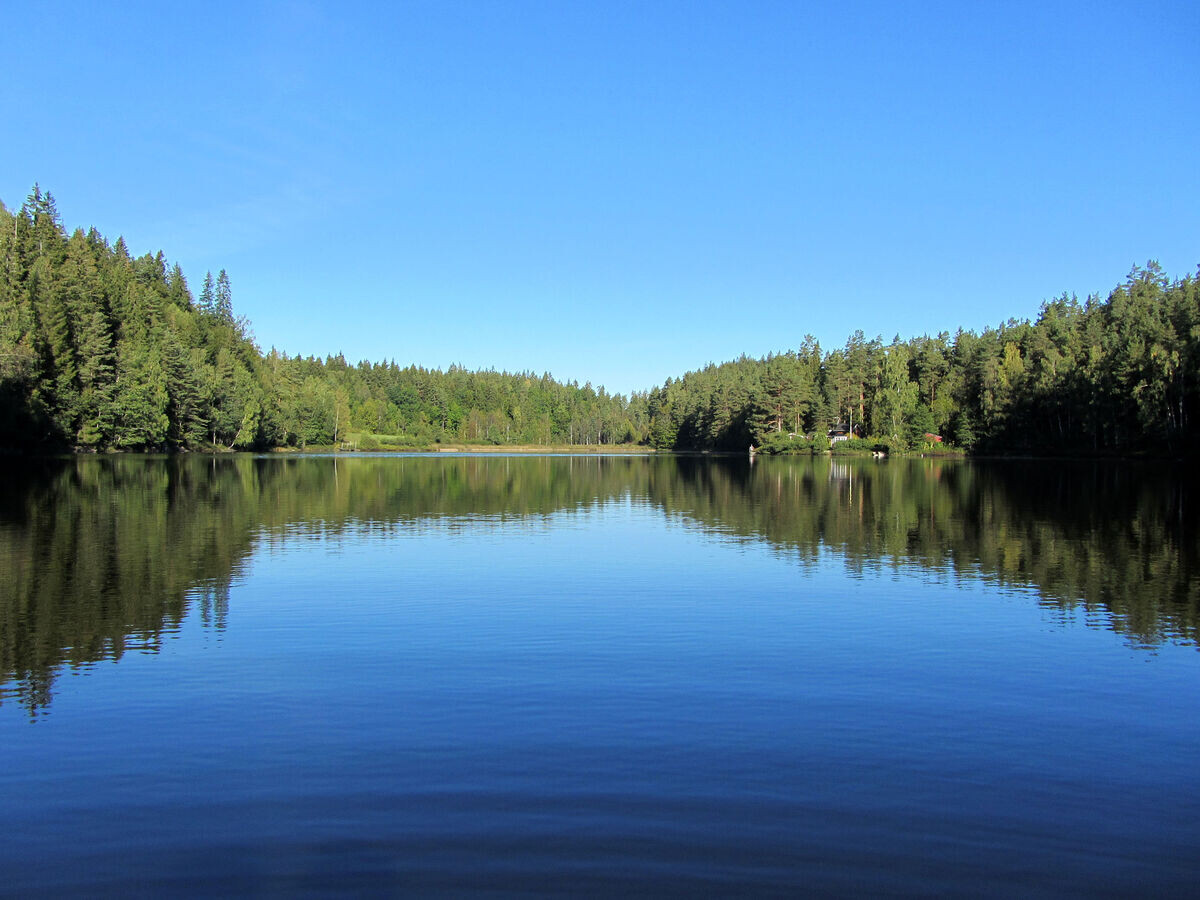
The landscapes of the far north are also sure to impress: raging rivers, high mountains, vast plateaux and one of the longest fjords in northern Norway. Finland is characterised by seemingly endless forests and thousands upon thousands of lakes. In Lapland, with its almost untouched natural surroundings, Sami traditions and culture are ever-present.
The North Cape lies at the edge of mainland Europe. Here, guests have the opportunity to visit the rocky plateau rising steeply from the Arctic Ocean and the North Cape Hall. For many, this is the highlight of a trip to Scandinavia and an unforgettable experience, especially in the glow of the midnight sun.
Itinerary
In the morning, cross from Puttgarden to Rødby on a Scandlines ferry. Travelling across several islands, you reach the Danish capital, then cross the imposing Øresund Bridge to Malmö. Sweden's third-largest city is known for the spectacular, 190m-high skyscraper "Turning Torso". Continue inland, past the university city of Lund with its important cathedral. Travel via Ljungby to Växjö, in the historic province of Småland. The city lies on the lake of the same name, on the edge of the so-called Kingdom of Crystal. Here you will find more than a dozen glassworks – some of them world-famous.
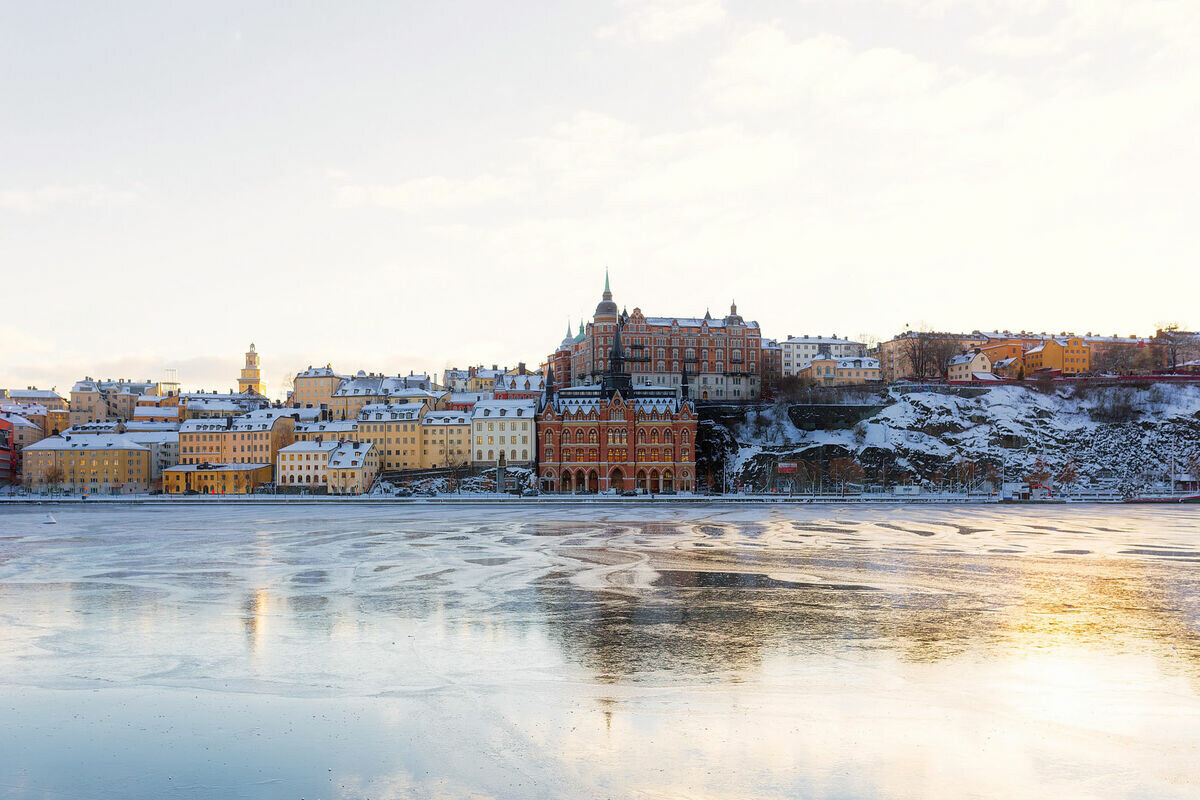
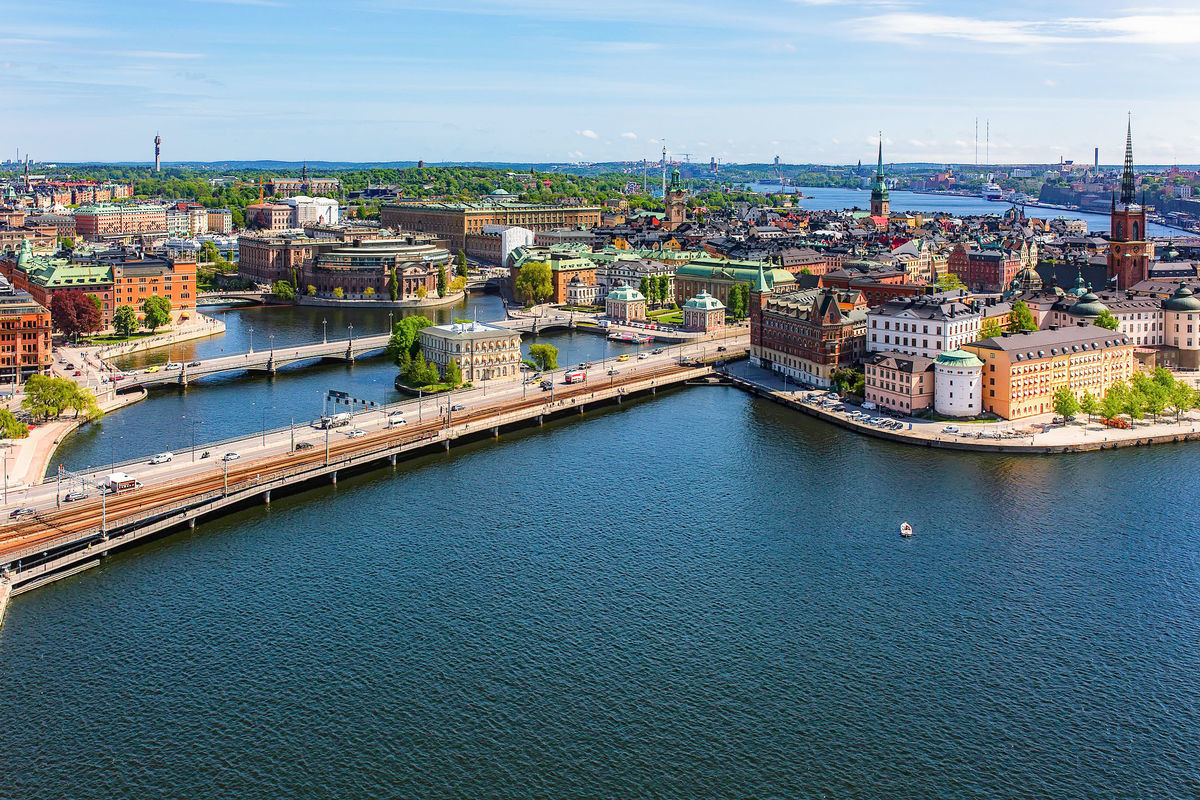
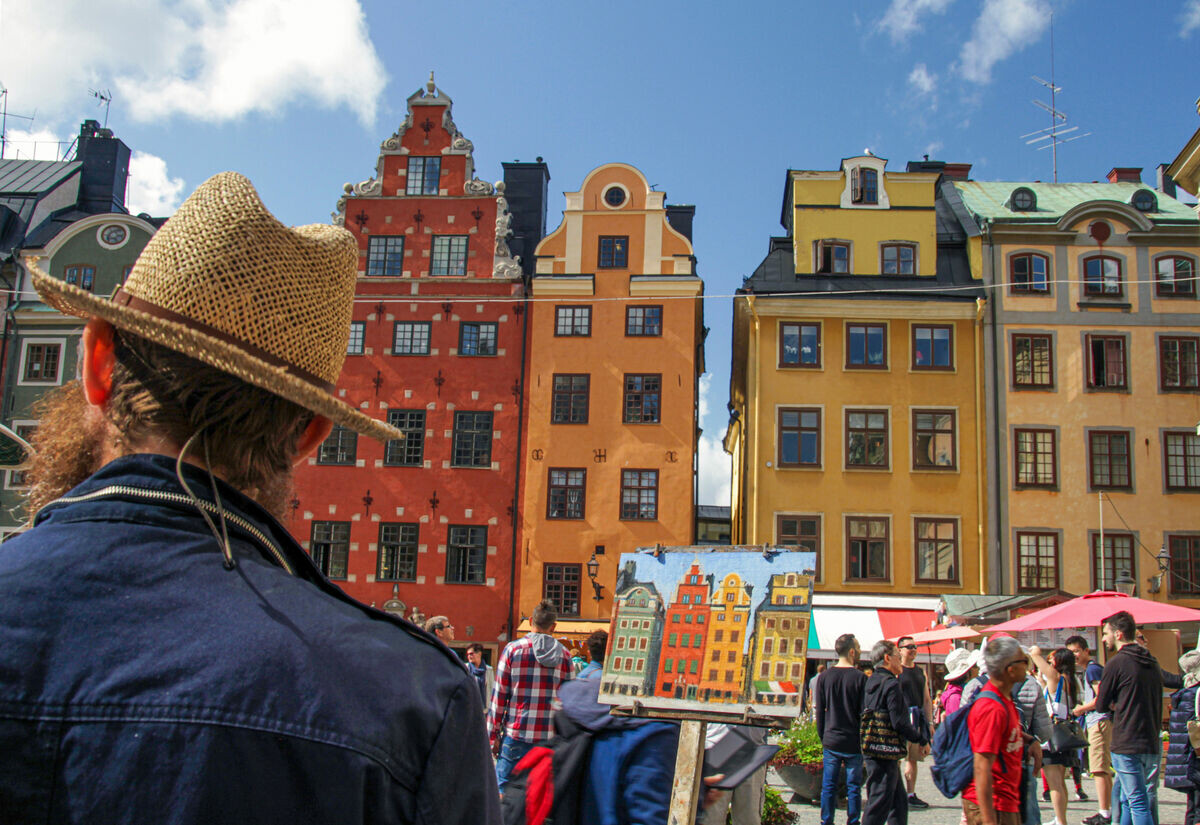
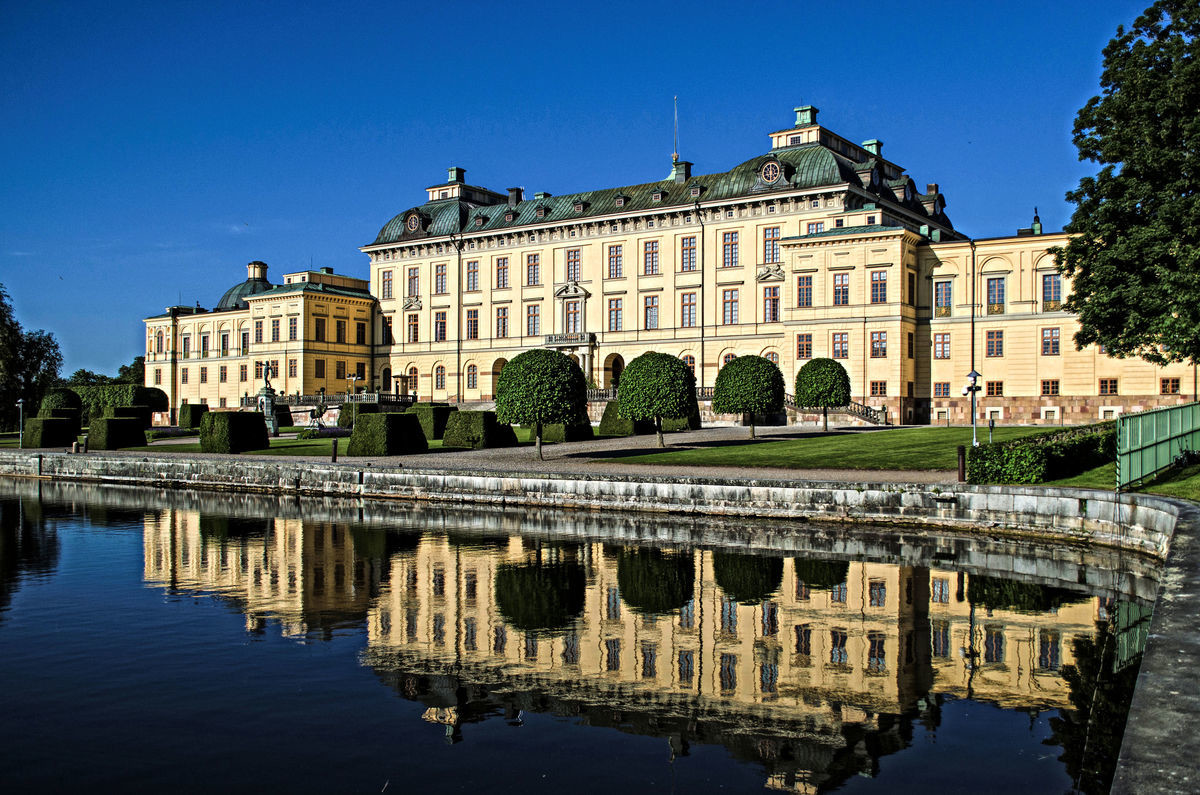
The small town of Vimmerby lies on your route north. The famous children's author Astrid Lindgren grew up on a farm near the town. Passing Nyköping, you reach the Swedish capital: Stockholm lies where Lake Mälaren flows into the Baltic Sea, and its city centre is spread across 14 islands! It offers visitors numerous magnificent buildings, fascinating museums and the picturesque old quarter of Gamla stan (optional guided city tour). In the evening, leave Sweden on a modern ferry bound for Finland.
Arrival in Turku, the former capital of Finland. Further east lies Helsinki, the current capital. You can explore the city on a guided tour (optional). Its sights include remarkable churches, among them the gleaming white cathedral and the magnificent Uspenski Cathedral. Continue north via the winter sports centre of Lahti with its famous ski jumps. The route also takes you through Mikkeli, on the vast Lake Saimaa. Continue to the Kuopio area. The university city of Kuopio enjoys a picturesque setting on a peninsula in Lake Kallavesi. Walking trails lead up Puijo Hill to the 75m high observation tower (with restaurant). From here you can enjoy wonderful views of the surrounding lakes and forests.
Your journey continues through the Finnish Lakeland with its delightful mosaic of water, islands and forests. Oulu, the largest city in northern Finland, lies on the Gulf of Bothnia. Continue via Kemi into the interior. The route now follows the Kemijoki, Finland's longest river. Rovaniemi is the administrative and tourist centre of Finnish Lapland, and its reconstruction after World War 2 was strongly influenced by the famous architect Alvar Aalto. You now follow the Arctic Ocean Road and soon reach Luosto. This winter sports centre lies at the foot of the fell of the same name, on the edge of Pyhä-Luosto National Park.
Forests, lakes and rivers define the remote landscape on today's leg of your journey. The village of Sodankylä is known for one of the country's oldest surviving wooden churches (1689). Further north lie the major winter sports resort of Saariselkä and vast Lake Inari – the "Sacred Lake of the Sámi". The route continues through an almost uninhabited wilderness to the Finnish-Norwegian border and on to Karasjok. Situated on the edge of the Finnmarksvidda plateau, the village is a centre for Norway's Sámi community. Continue via Lakselv to the Porsangerfjord, one of the longest fjords in northern Norway (123km long). You soon reach the island of Magerøya through the North Cape Tunnel, with the North Cape itself also located on the island.
In the evening, you have the opportunity to visit the famous North Cape (optional). Rising steeply some 300m above the Arctic Ocean, the plateau captivates visitors from all over the world, particularly in the glow of the midnight sun. The North Cape Hall, a large information and visitor centre, was built partly underground into the rock. Its facilities include a glass-fronted viewing platform, an exhibition on the history of tourism at the North Cape, a restaurant with fantastic views, a coffee shop, a bar and a souvenir shop. Here you can buy stamps and a North Cape certificate and obtain a special postmark. A spectacular film lasting approx. 15 minutes, shown on a panoramic screen, takes you on a journey through the four seasons.
You travel south again. The town of Alta lies on the Altafjord – known for its prehistoric rock carvings, which are a UNESCO World Heritage Site (optional visit). You may also stop for photos at the "Northern Lights Cathedral", whose tower spirals photogenically into the sky (optional admission). Inland, on the remote Finnmarksvidda plateau, lies Kautokeino: In this Sami settlement, you can visit the Juhls Sölvmie silversmiths if time allows. At Kivilompolo, you cross the border into Finland and enter the vast municipality of Enontekiö. This is also home to Finland's highest point: 1.324m on Mount Haltitunturi. The mountain's actual main summit (1365m) lies in Norway. Travelling through a densely forested region, past Pallas-Yllästunturi National Park, you reach Sirkka at the foot of Mount Levi. Although only 531m high, it is one of the country's largest winter sports areas.
Your journey continues via Kolari, taking you back through Finnish Lapland with its fells, forests and numerous rivers. At Juoksenki you cross the Arctic Circle, then cross the border into Sweden at Övertornea. A scenic route follows, past lakes and birch forests, to the Gulf of Bothnia. On its northern shore lies Lulea – the gateway to Swedish Lapland. Travelling via Skelleftea, known for Västerbotten's largest port, you reach Umea. The "City of Birches" has a spacious layout with broad, birch-lined avenues. To the west of the city lies Umedalen Sculpture Park, with around 50 modern sculptures by international artists. It is one of the region's most popular attractions and admission is free all year round.
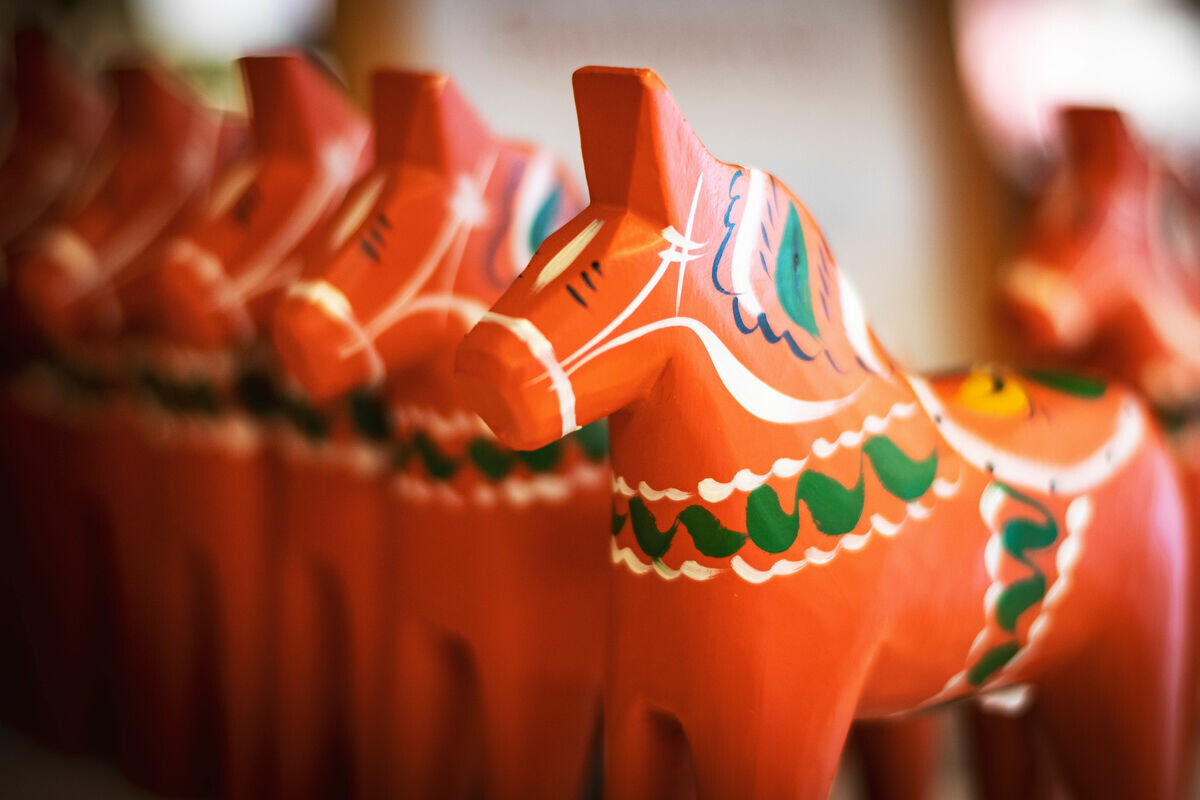
The Höga Kusten (High Coast) region, a UNESCO World Heritage Site, lies on your route south. The enormous land uplift that occurred here after the ice melted at the end of the last Ice Age is unique in the world. Passing towns well worth seeing, such as Hudiksvall with its well-preserved wooden houses, you reach Gävle, which has a charming old town quarter. Next comes the picturesque region of Dalarna. This is where the famous wooden Dala horses are made – one of Sweden’s best-known souvenirs. Falun was once an important mining town, and in century 17 its mine was the largest copper producer in the world! The mine and the historic industrial landscape are now a UNESCO World Heritage Site. Incidentally, mining also produced a blood-red pigment as a by-product, which became Sweden’s national colour, known as Falun red. Nearby lies Borlänge, the largest town in Dalarna.
Today's route takes you through the Bergslagen region. Thanks to its extensive ore deposits, mining and iron production once played a central role here. Almost all the mines and ironworks have since closed, and many have been converted into museums and industrial heritage sites. Örebro lies on the southern edge of the region. The city's landmark is its imposing castle, which stands on an island in the river. The Wadköping open-air museum, with its historic wooden houses, is also well worth a visit (free admission). You soon reach Lake Vättern, Sweden's second-largest lake: It is 130km long and known for its clear waters. Continue south along its western shore. In Karlsborg, the famous Göta Canal joins Lake Vättern. There is also a fortress here dating from the 19 century, which ranks among Europe's largest structures. Jönköping, the largest town in Småland, lies at the southern tip of Lake Vättern. A special attraction is what is said to be the world's only matchstick museum (optional).
You travel through southern Sweden to Helsingborg. Sights worth seeing here include Stortorget with its imposing town hall, the old town and the impressive Kärnan brick tower. A Scandlines ferry then takes you across the Öresund from Helsingborg to Helsingør. You then continue to Copenhagen. On a city tour (optional), you can admire imposing palaces, picturesque Nyhavn and the Little Mermaid, among other sights. Travelling across several Danish islands, you reach Rødby, where you board the Scandlines ferry to Puttgarden. From the island of Fehmarn, you then begin the final leg of your journey home.
We would be happy to arrange an overnight stop (optional) in Denmark or northern Germany.
Our tip:
For a supplement, we can also arrange your outward and return journeys via Rostock – Gedser: the environmentally friendly Scandlines ferries, the "M/F Berlin" and the "M/F Copenhagen", offer comfortable lounges, a wide range of shopping facilities, a large sun deck, restaurants and a cafeteria – all in a fresh, modern design.
Important:
Please note that the package price only applies to certain departure days, which vary depending on the season. We would be happy to advise you on a good-value departure date. Recommended departure day: Monday.
Included services
- Ferry crossings:
- Puttgarden – Rødby for coach and passengers
- Stockholm – Turku for coach and passengers
- 1 x buffet breakfast on board
- Accommodation in 2-berth cabins
- Helsingborg – Helsingør for coach and passengers
- Rødby – Puttgarden for coach and passengers
- 8 x overnight stay including buffet breakfast
- Good mid-range and upper mid-range hotels in the SRG classification
- 1 x Øresund Bridge toll