Tour description
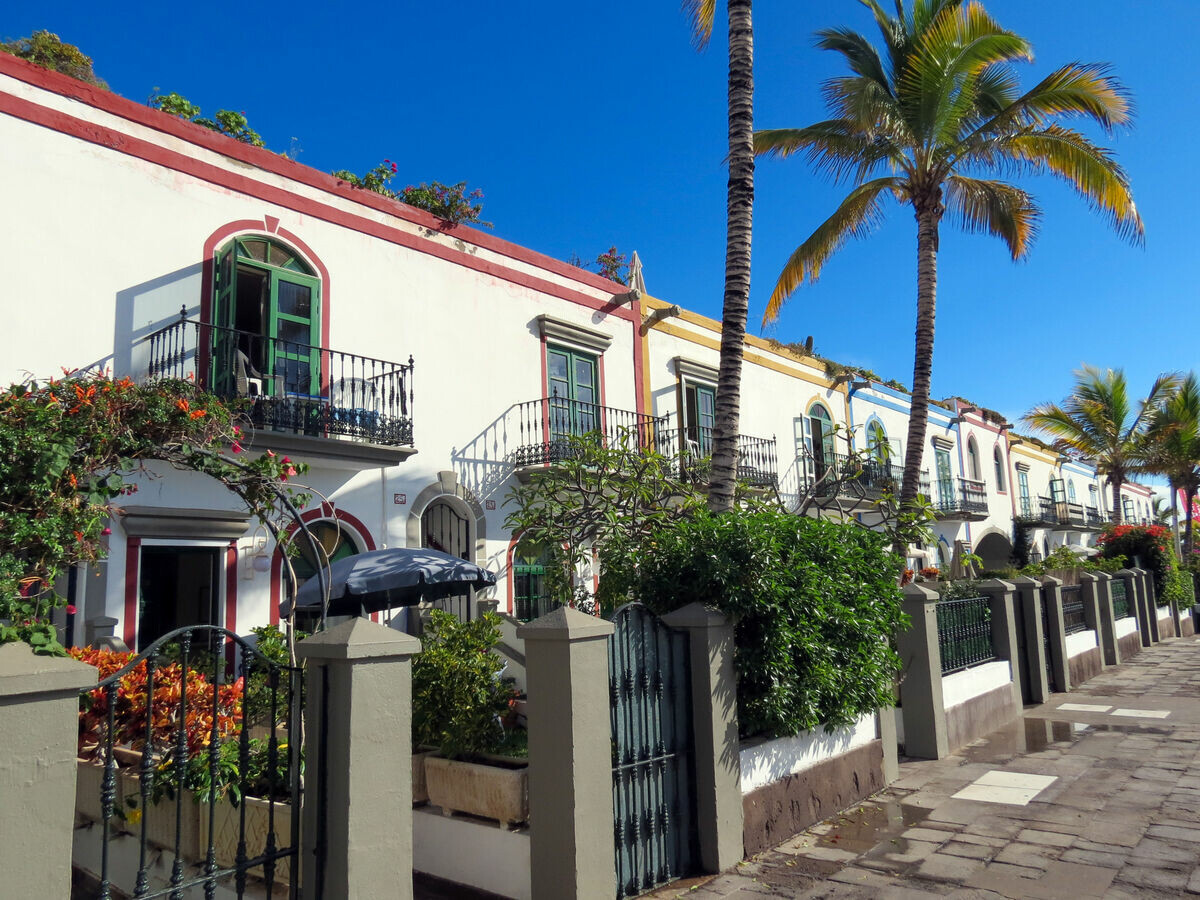
Andalusia is diverse and unique. Defined by endless, picturesque beaches, breathtaking natural scenery inland and the culture of southern Spain. This journey combines this Spanish region with Morocco, the gateway to Africa and a land straight out of 1001 Nights, where the excursion options are almost endless.
On your colourful journey through Andalusia, the routes through the „white villages“ in the provinces of Cadiz and Malaga intersect with the „Red“ Alhambra fortress in Granada and the „blue“ village of Juzcar. Moorish architecture shapes the character of Andalusia. As you continue to Morocco, you will discover majestic mountain scenery, such as the Atlas Mountains, and magical desert landscapes like those of the Sahara. Ancient cities invite you to explore their sights, before enjoying the views from one of the many rooftop terraces over a freshly brewed mint tea. Welcome to another world!
Itinerary
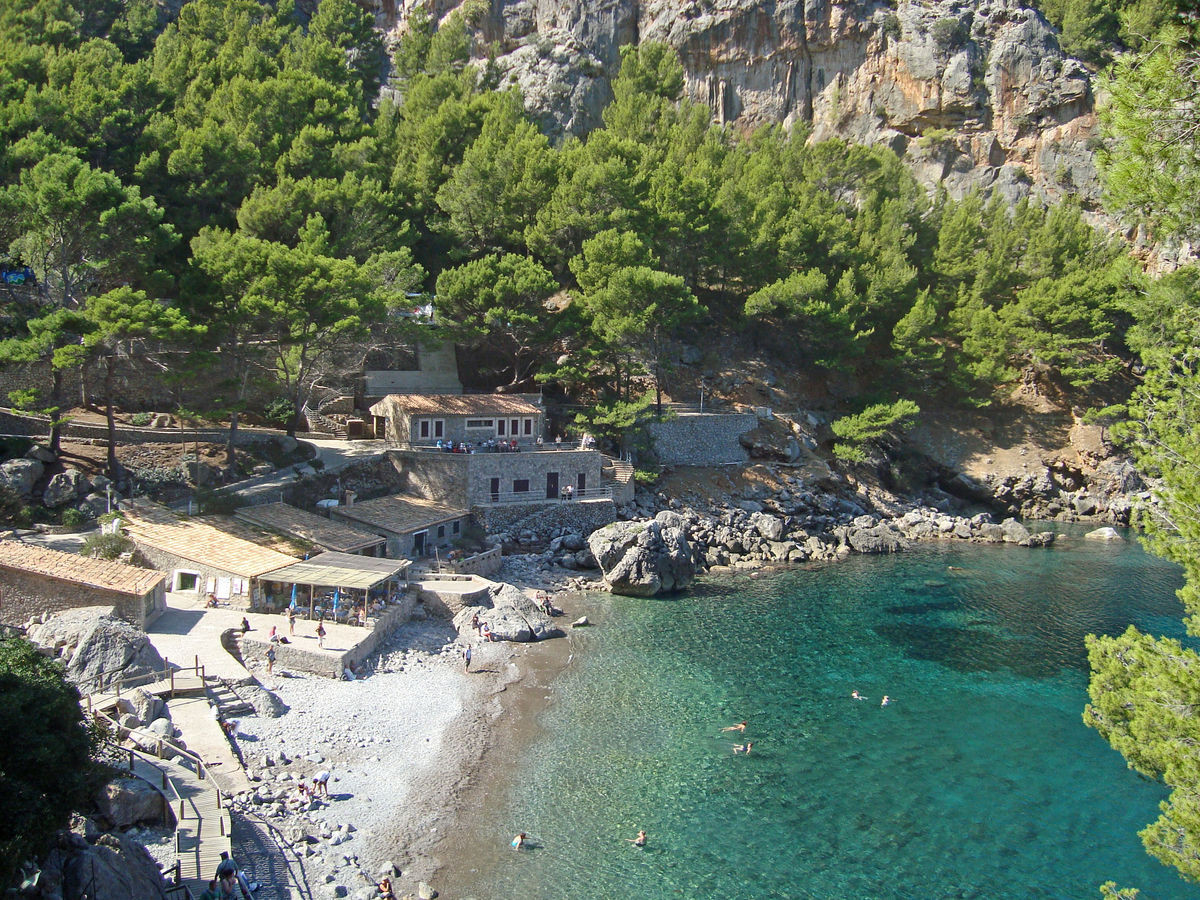
The Costa Brava - "wild coast" - takes its name from its deeply indented coastline. Small coves alternate with longer sandy beaches. Another major attraction is its proximity to Barcelona, where cultural highlights and sightseeing can enrich your stay.
Your journey continues along the Costa Dorada and Costa del Azahar, past Tarragona, where the Romans left many traces, to Alicante. This beautiful port city warmly welcomes you.
Today you travel past Murcia and reach Granada in the afternoon. The city was taken from the Moors in 1492 during the Reconquista. Granada is home to the Alhambra, one of the most remarkable examples of Moorish architecture. In the afternoon, you explore the complex on a 2,5-hour guided tour. Afterwards, you continue to the Costa del Sol.
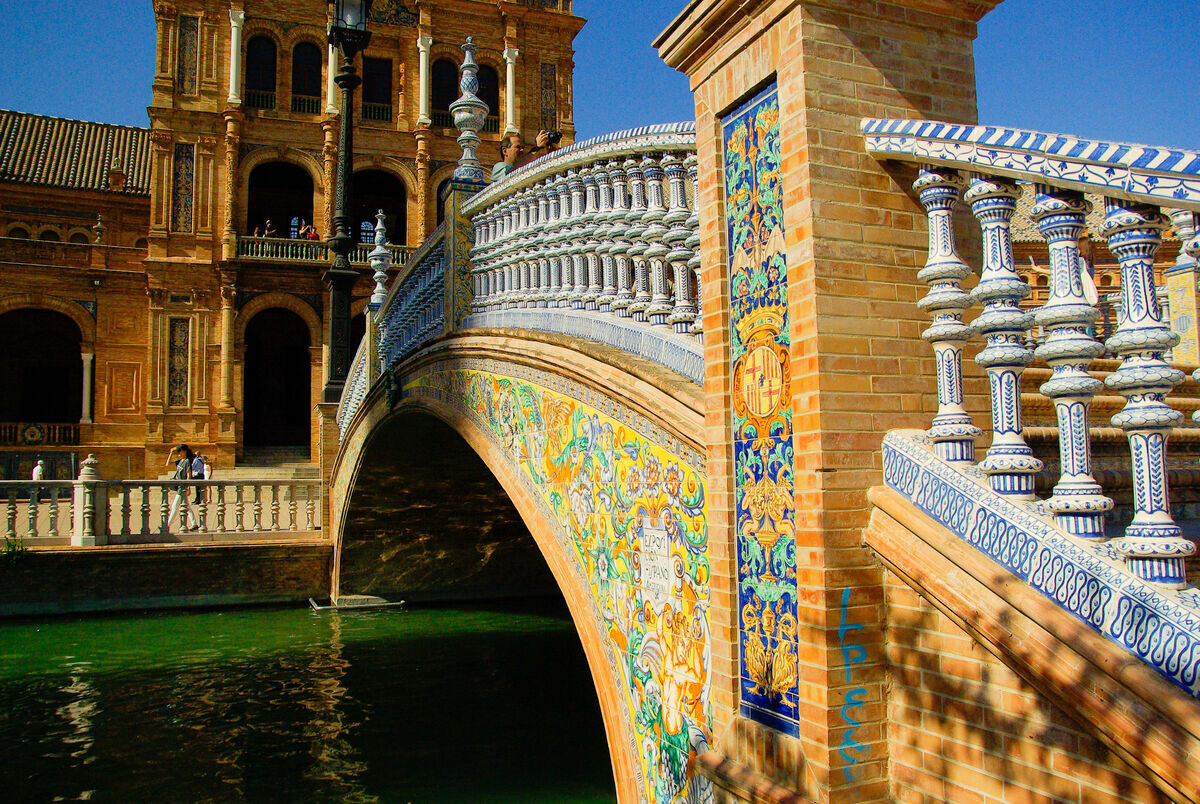
Discover Seville, the capital of Andalusia, on a guided city tour. (Optional)
A wealth of impressive historic monuments shapes the character of this city, including the cathedral, which houses the tomb of Christopher Columbus, and the Alcázar, the palace of the Moorish and later Christian kings.
A visit to Ronda should be part of every trip to Andalusia thanks to the town's unique setting. Your guide (optional) will be waiting to show you sights such as Spain's second-oldest bullring. Ronda was home to the Romero family, who developed the rules of bullfighting in the 18th and 19th centuries. The town stands on a rocky plateau and is divided into two parts by a gorge up to 150m deep. Visitors can enjoy views of the surrounding landscape from a panoramic promenade. On the return journey we recommend a stop in Marbella. Stroll through Marbella's beautiful old town and visit the luxury marina of Puerto Banus.
On arrival at the port of Tangier, your Moroccan guide will be waiting to introduce you to the beauty of Morocco over the coming days. Your journey first takes you to Morocco's capital. Rabat, the current royal seat, boasts architectural masterpieces both old and new. Traditional craftsmanship has been passed down to younger generations, so the newest royal palace features the sumptuous decorative elements of the past. You will stop en route in Asilah, a pretty little fishing town and artists' haven. Its charming medina, with its white and green limewashed houses, is surrounded by walls dating from the Portuguese era.
Tour of Morocco's capital and the King's place of residence. You will see the Royal Palace (from the outside), the unfinished Hassan Tower - the city's landmark, the Kasbah of the Udayas, and the magnificent mausoleum of the late Kings Mohammed V and Hassan II, built from gleaming white marble.
Drive to Meknes. Gigantic walls surround this imperial city, shaped by the powerful Sultan Moulay Ismail. On a city tour you will see Morocco's most monumental gateway - Bab Mansour, the mosque housing Moulay Ismail's tomb and the souks.
Today you will visit the oldest and most important of Morocco's four imperial cities. Immerse yourself in the bewildering variety of alleyways, souks and mosques in the UNESCO-protected medina.
Fez is a city of traditional crafts - there are countless small workshops - your walking tour takes you through the quarters of the carpenters, dyers, tanners, tailors and metal engravers, or past the constant hammering of the coppersmiths. You will also see the Al-Qarawiyyin Mosque, one of the oldest in the Arab world, as well as the Al-Attarine Madrasa (Koranic school)
Journey to Chefchaouen. Chefchaouen is a picturesque town nestled in the Rif Mountains. The town was not conquered by the Spanish until 1920, and until then was closed to non-Muslims. With its beautiful setting beneath steep rocky slopes, and its charming, well-preserved old town with blue-and-whitewashed houses, Chaouen is one of Morocco's most captivating small towns.
Continue to Tetouan, the most important cultural and economic centre of the northern Rif region. The medina and the adjoining Spanish-influenced centre of the new town are well worth seeing. Afterwards return to Tangier.
In the morning board the ferry to Tarifa. Your tour guide bids you farewell at the port. After a short crossing disembark in Tarifa and continue to the Costa del Sol. Diverse flora, striking contrasts of colour in the landscape, whitewashed houses and an exceptionally mild climate make the Costa del Sol a popular holiday destination. If time permits, a detour to Gibraltar is recommended.
Travelling along the Spanish coast, you will soon reach the Orange Blossom Coast.
Today marks the end of a wonderful trip. With plenty of new memories to take with you, you begin your journey home.
Included services
- Ferry crossings:
- Tarifa – Tangier
- Tangier – Tarifa
- 11 x overnight stay with half board
- Half board with a 3-course evening meal or buffet
- Hotels in the upper SRG mid-range and SRG premium categories
- 1 x 2,5 hrs Alhambra & Generalife, Granada
- Tour guide in Morocco, throughout from/to Tangier port
- 1 mint tea during your stay in Morocco
- local city guides in
- Tangier
- Asilah
- Rabat
- Meknes
- Fez
- Chefchaouen
- Tetouan
When to travel
When is the best time to visit Spain?
Spain has a varied climate. Spring and autumn are pleasant in many cities and southern regions, while the Mediterranean coast is popular in summer. Northern Spain and mountain regions have different seasonal conditions.
| Travel experience | JJan | FFeb | MMar | AApr | MMay | JJun | JJul | AAug | SSep | OOct | NNov | DDec |
|---|---|---|---|---|---|---|---|---|---|---|---|---|
| Cultural trips and city breaks | – | – | suitable | suitable | suitable | suitable | – | – | suitable | suitable | suitable | – |
| Tours of Andalusia | – | – | suitable | suitable | suitable | – | – | – | suitable | suitable | suitable | – |
| Mediterranean coast | – | – | – | – | suitable | suitable | suitable | suitable | suitable | suitable | – | – |
| Balearic Islands | – | – | – | suitable | suitable | suitable | suitable | suitable | suitable | suitable | – | – |
| Northern Spain | – | – | – | – | suitable | suitable | suitable | suitable | suitable | – | – | – |
| Nature and walking holidays | – | – | – | suitable | suitable | suitable | – | – | suitable | suitable | – | – |
| Winter city breaks | suitable | suitable | – | – | – | – | – | – | – | – | suitable | suitable |
General guidance by region and type of holiday, not a guarantee of weather, dates or availability. For walking holidays, take altitude and local conditions into account; winter city breaks promise neither snow nor specific temperatures. Find out more about Spain