Tour description
Sardinia – a popular destination in recent years! We have travelled extensively around Sardinia, shared wine with locals and sought out insider tips. Join us and experience the many sides of this island first-hand! Sardinia is a true paradise – turquoise waters, fine sandy beaches and breathtaking scenic roads. You will also find cultural treasures from a wide range of historical periods. Nuraghe towers such as Su Nuraxi, Roman excavations at Nora and Tharros and modern museums are just a few examples. In Alghero, you will feel transported back to the days of Spanish rule. On the Costa Smeralda, you can experience the modern lifestyle of the international jet set, while the island's capital, Cagliari, is another essential stop on your trip.
Itinerary
Travelling through the varied landscapes of northern Italy, you head to Genoa on the Ligurian coast. A stroll through the old town offers your first taste of Mediterranean charm. The ferry to Porto Torres departs at around 20.00.
After arriving in the morning at around 08.00, you travel along the coast to Castelsardo, a small town perched high above the sea with a historic centre, castle and basket museum.
You then continue to Santa Teresa di Gallura. In 1808, King Victor Emmanuel I of Sardinia-Piedmont founded the small town and named it after his Austrian wife. However, the area around Santa Teresa has been inhabited since prehistoric times: The earliest traces date back to the Nuragic civilisation, and the Romans were also here.
In the evening, you reach the Costa Smeralda and check into your hotel.
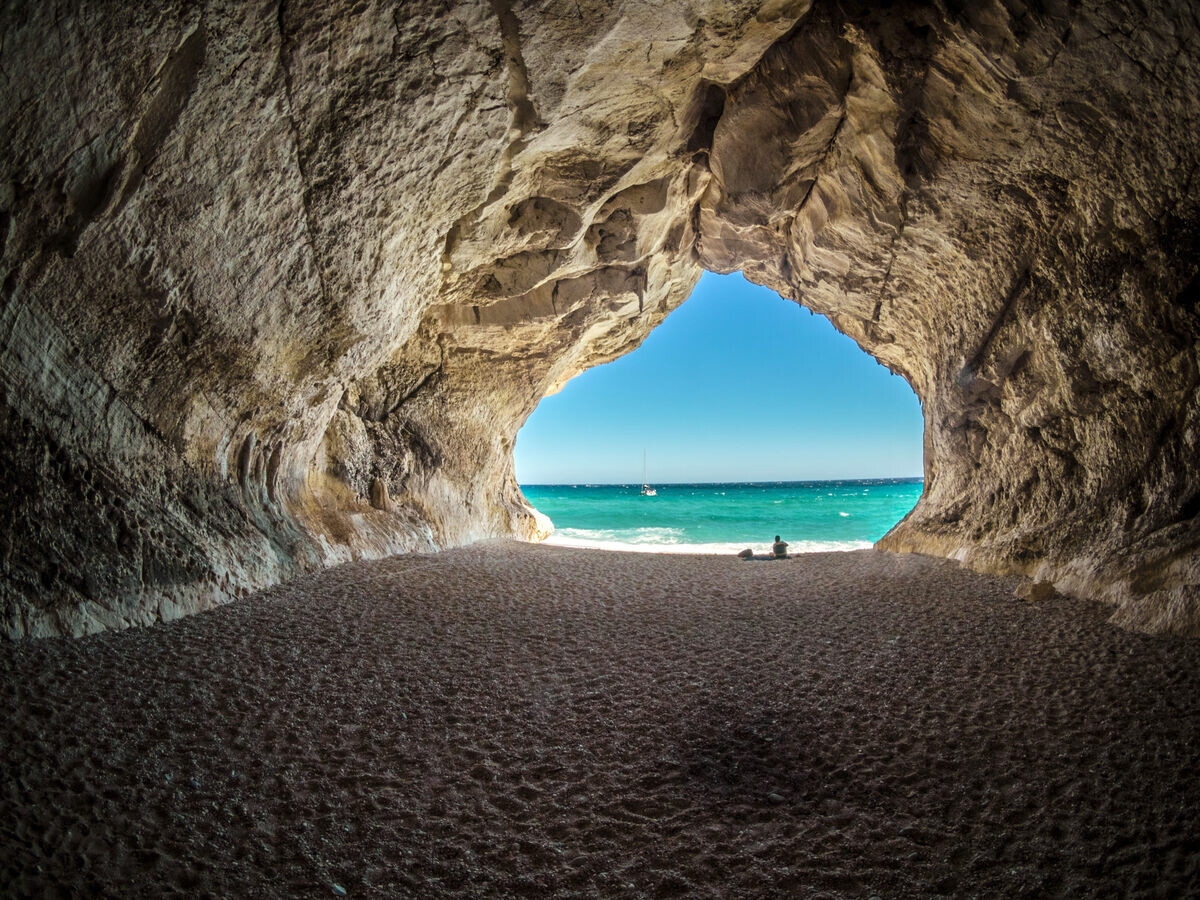
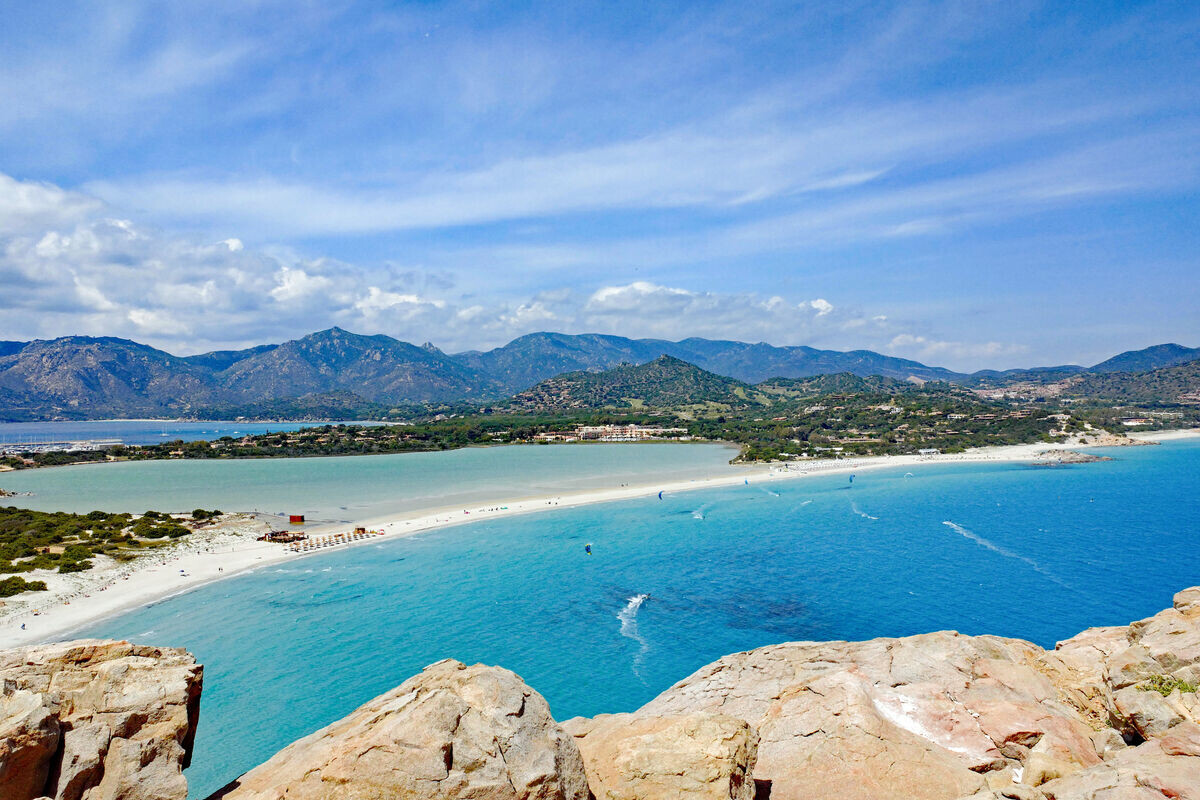
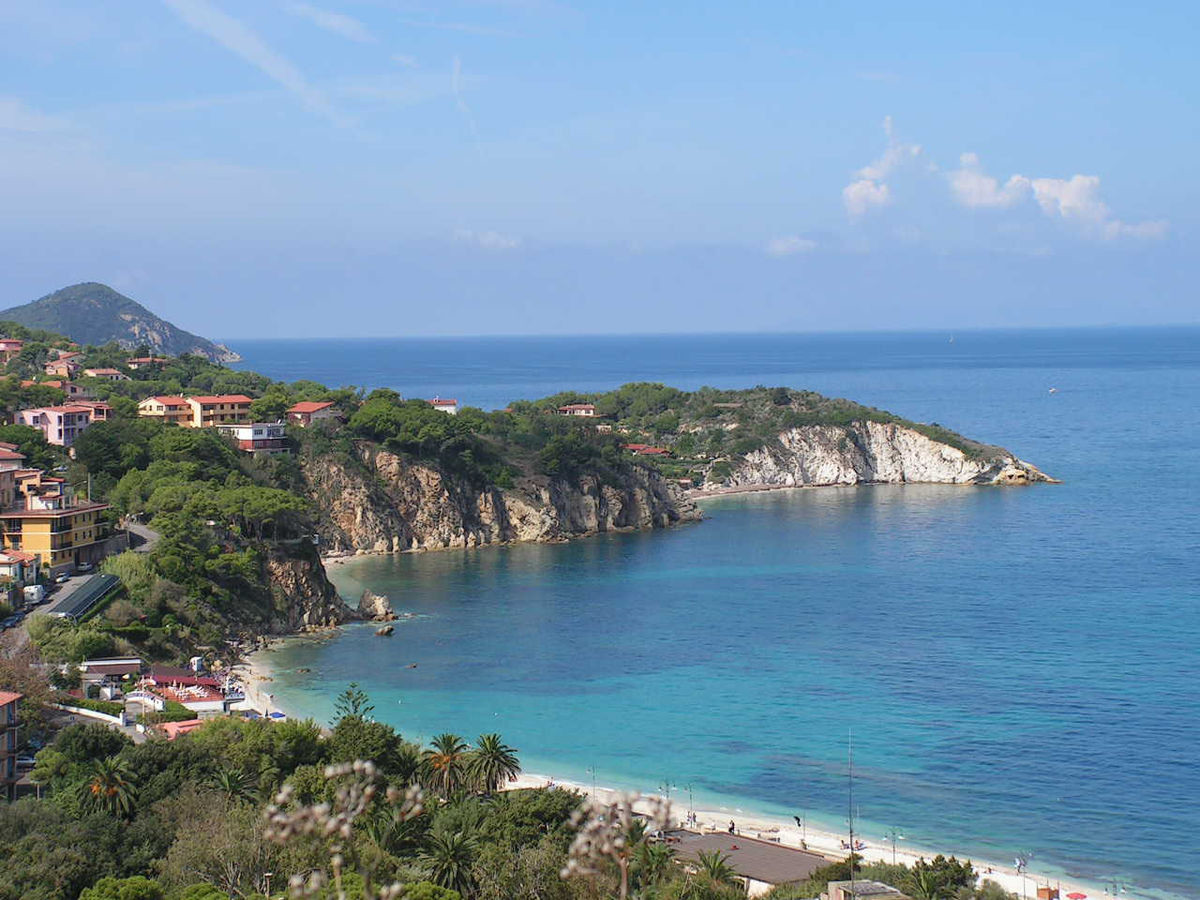
Today you explore the Costa Smeralda. This charming limestone promontory offers sheltered bays for swimming, cliffs plunging steeply into the sea, caves that remain partly unexplored and waters teeming with fish. To the south, you can see the small island of Figarolo, also formed from limestone. From Palau, you take an excursion to the La Maddalena archipelago. Comprising 7 main islands and 62 smaller islands, the archipelago impresses with unspoilt landscapes, white sandy beaches and charming little waterfront towns. Dinner and overnight stay at the same hotel as the previous night.
Breakfast at the hotel. Spend your day in Sardinia in the heart of the island. The eastern area around Nuoro, Orosei and Dorgali captivates with deserted plains, thrilling winding roads and wild natural landscapes. This day trip provides a wonderful contrast to the previous day and beautifully showcases the island's rich diversity. First you visit Nuoro, an important industrial centre in the region. At midday you enjoy a traditional shepherd's lunch. Typical Sardinian specialities are served in rustic surroundings. Afterwards you continue to Orgosolo. Once regarded as a hotbed of petty crime, the town is now best known for its numerous wall paintings (Murales). Arrival in the Cagliari area in the evening.
Even in ancient Roman times, people knew where to find the most beautiful spots: They built the town of Nora in an unrivalled setting on Sardinia's southern coast. Traces of antiquity still survive today, including the well-preserved theatre, mosaic floors and extensive thermal baths. Towering dunes and the crystal-clear waters of the Costa del Sud offer a wonderful experience of nature. By contrast, the Iglesiente, once Sardinia's most important mining area, has a slightly ghostly feel. Some of the former mines can be visited. A visit to the island of Sant'Antioco, a true natural paradise, is also recommended.
Alternatively, spend the day in Sardinia's capital. The old town begins at the Giardini Pubblici, the city park with magnificent views of the surrounding area. In the Stampace district, you will find the Roman amphitheatre, where opera performances are still held in summer against a beautiful natural backdrop. The square Torre di San Pancrazio was built by the Pisans as a defensive tower. From the top, there are breathtaking views over the city. The Elephant Tower was built at the beginning of the 14th century and forms part of the city walls. It takes its name from a small marble elephant statue high above the entrance. The elephant is said to symbolise strength and wisdom. Dinner and overnight stay at the same hotel as the previous night.
From the flat south, you travel to Oristano. All of Sardinia's lemons and oranges come from this region, and sugar beet is also grown here, meeting the island's entire demand for sugar. Take a detour to the Sinis peninsula, home to the extensive archaeological site of the port city of Tharros. Passing the submerged old harbour of Porto Vecchio, you reach the Pseudoportico Temple. To the west stands the Torre di San Giovanni, a Saracen tower dating from century 16. Via Macomer, you travel to Bosa on the west coast, a small, peaceful town known for its crafts and wine. The medieval houses climb picturesquely up the hillside from the lower town of Sa Piana on the River Temo to the upper town of Sa Costa. The imposing Castello Malaspina towers over it all. Here you sample a glass of Malvasia wine before following the coast to Alghero along Sardinia's "Highway No. 1".
Spend the morning exploring Alghero. Founded by the Genoese, the town still retains many features of the Catalans, who settled here in the 14th century. You will see Piazza Porta Terra in the heart of the old town and the palace of the Marchesi of Albis. In the afternoon, the journey continues to Capo Caccia to the north-west. Beneath the peninsula lies the famous Neptune's Grotto. The entrance to this stalactite cave is reached via 650 steps, or alternatively by boat from Alghero. In the evening, board the ferry to Genoa, departing at around 20.00. Arrivederci Sardegna!
Arrive in Genoa in the morning at around 08.00 and begin your journey home.
Included services
- Ferry crossings:
- Genoa – Porto Torres
- Porto Torres – Genoa
- 2 x breakfast on board in the self-service restaurant
- Accommodation in 2-berth cabins
- Palau – La Maddalena
- La Maddalena – Palau
- 5 x overnight stay with half board
- Half board with a 3-course evening meal or buffet
- Upper mid-range SRG hotels
- 1 x shepherd's meal incl. wine, water, schnapps and singing in the Nuoro/Orgosolo area
- 1 x Malvasia tasting in Bosa
- Quietvox audio guide system for the entire trip
When to travel
When is the best time to visit Italy?
Italy is an attractive destination all year round. While spring and autumn are particularly popular for cultural trips and touring holidays, summer beckons with lakes, coastlines and mountain scenery. In winter, the Alps in particular offer a wide range of travel options.
| Travel experience | JJan | FFeb | MMar | AApr | MMay | JJun | JJul | AAug | SSep | OOct | NNov | DDec |
|---|---|---|---|---|---|---|---|---|---|---|---|---|
| Cultural trips and city breaks | – | – | suitable | suitable | suitable | suitable | – | – | suitable | suitable | – | – |
| Tuscany and touring holidays | – | – | – | suitable | suitable | suitable | – | – | suitable | suitable | – | – |
| Northern Italian lakes | – | – | – | suitable | suitable | suitable | suitable | suitable | suitable | suitable | – | – |
| The Mediterranean and coastlines | – | – | – | – | suitable | suitable | suitable | suitable | suitable | – | – | – |
| The Dolomites in summer | – | – | – | – | – | suitable | suitable | suitable | suitable | – | – | – |
| Food and wine | – | – | – | – | – | – | – | – | suitable | suitable | suitable | – |
| Winter sports in the Alps | suitable | suitable | suitable | – | – | – | – | – | – | – | – | suitable |
General guidance – the best time to travel depends on the region, weather and itinerary. Find out more about Italy