Tour description
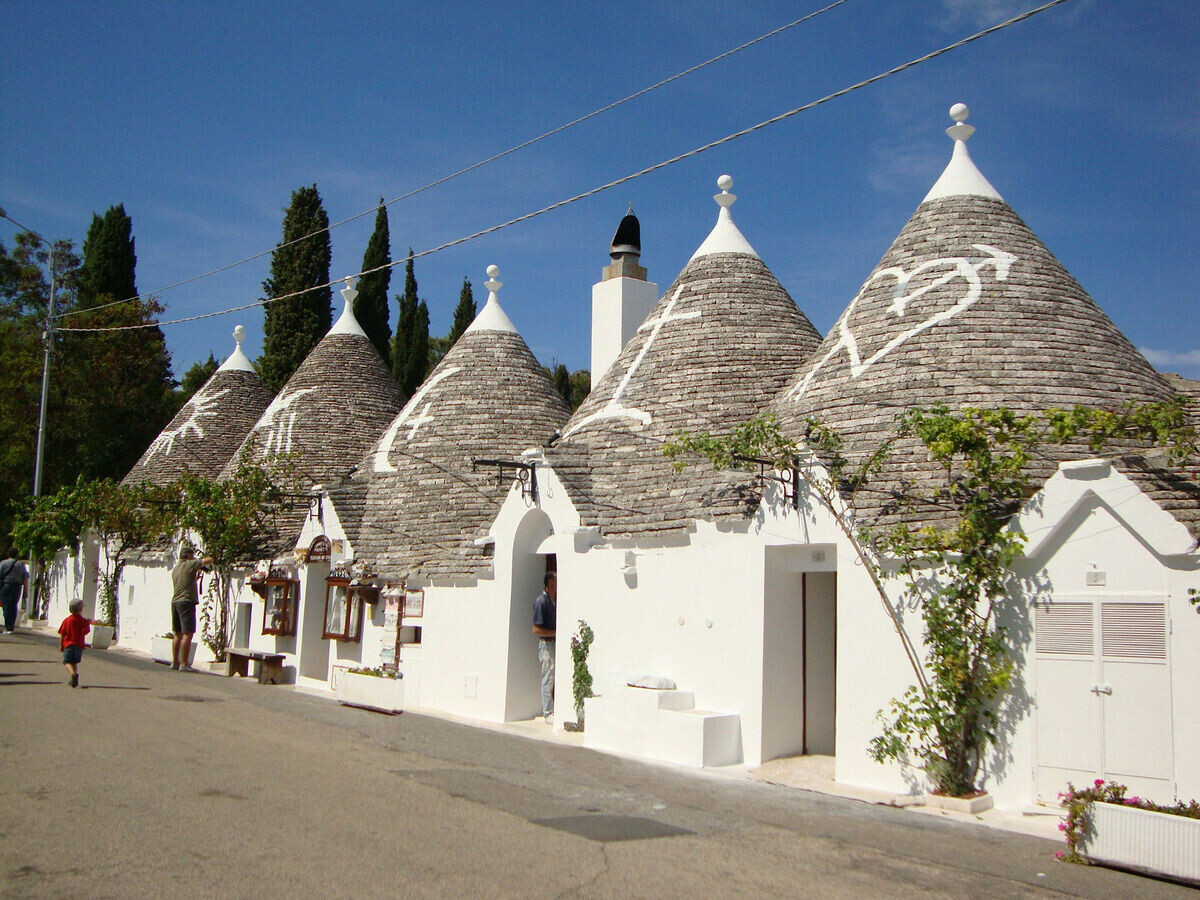
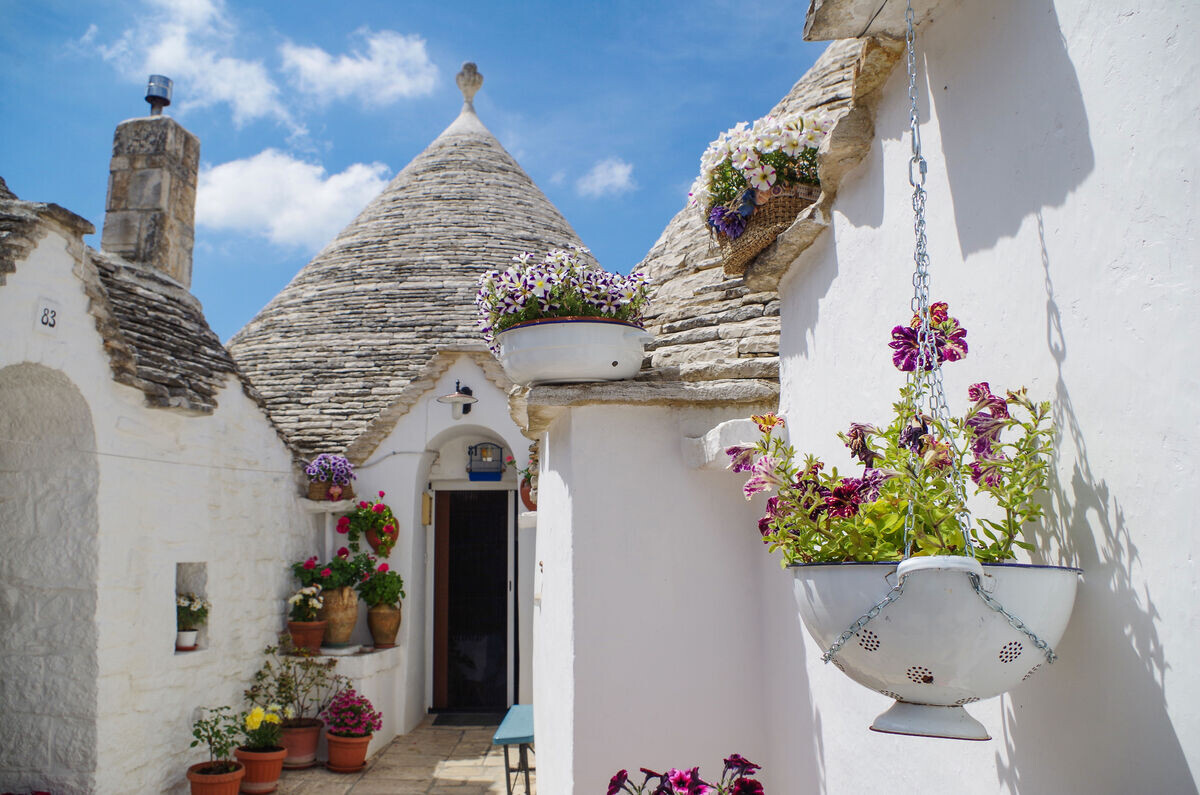
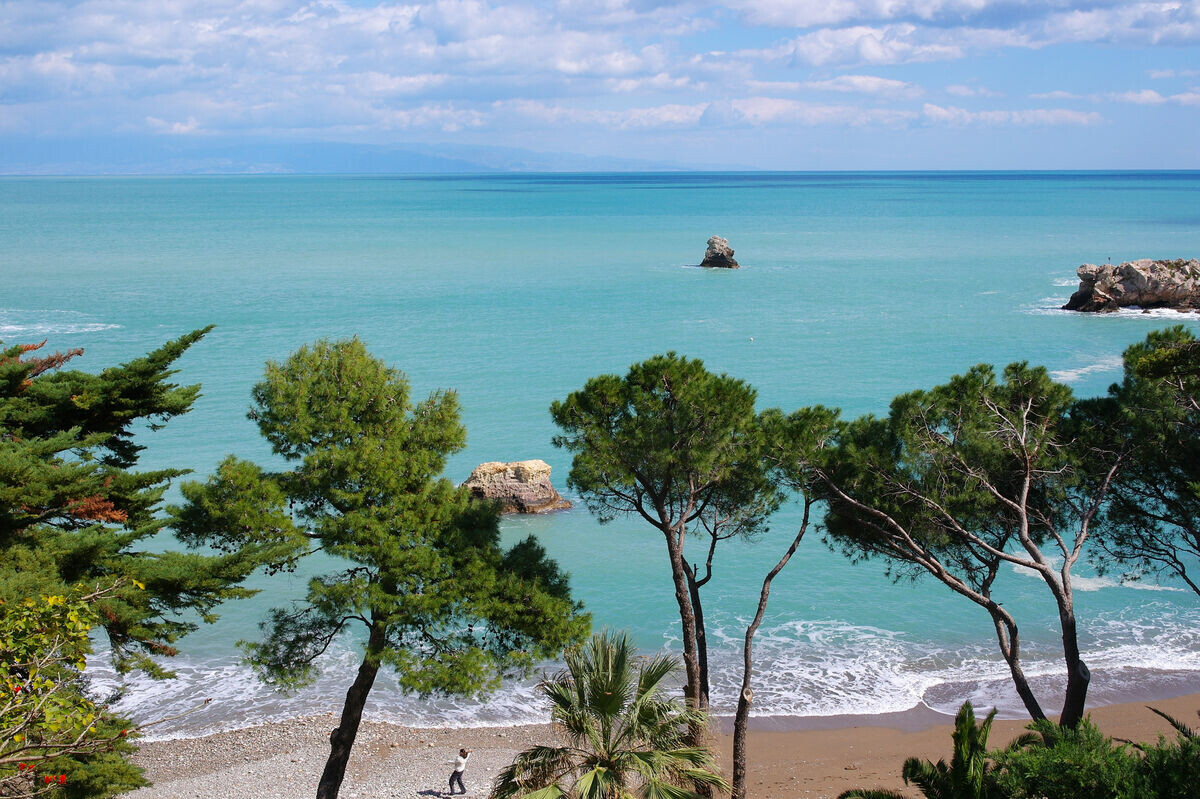
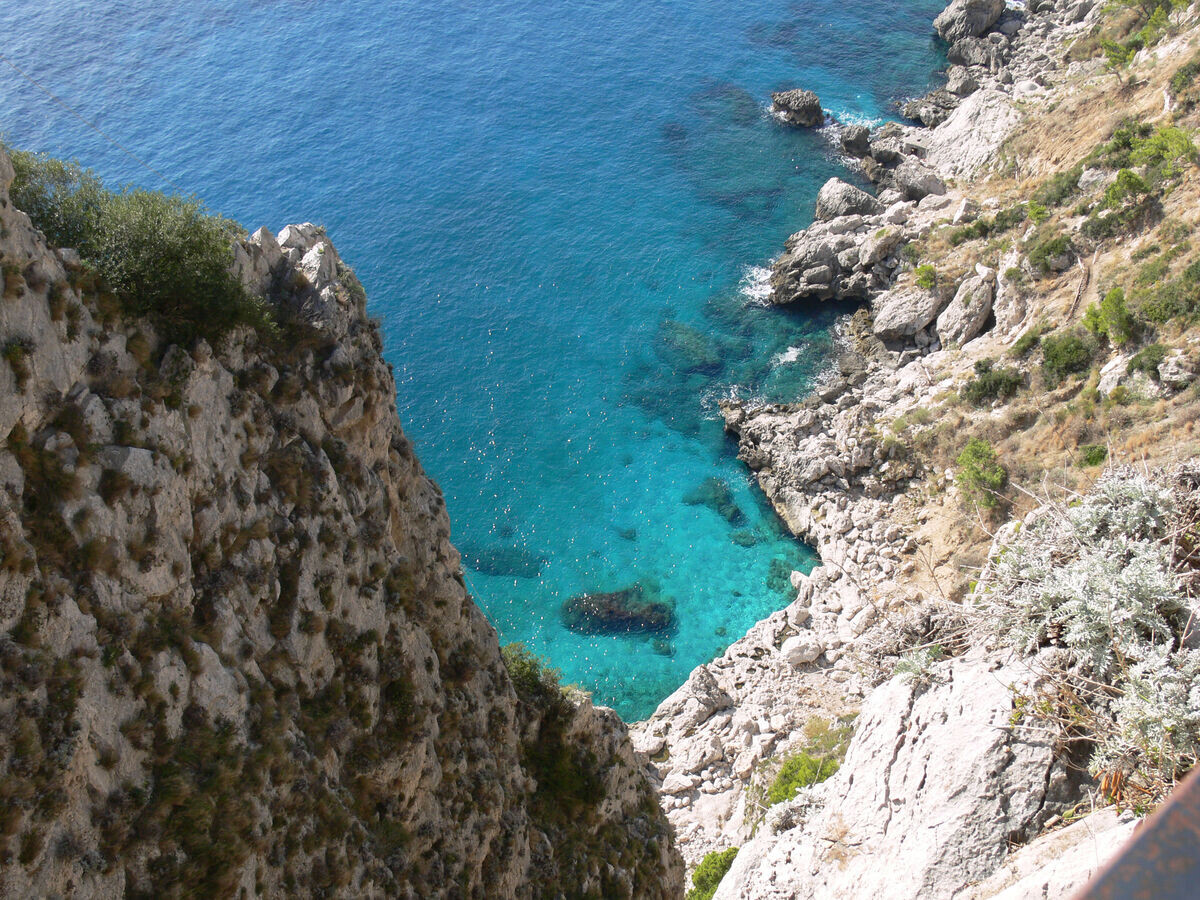
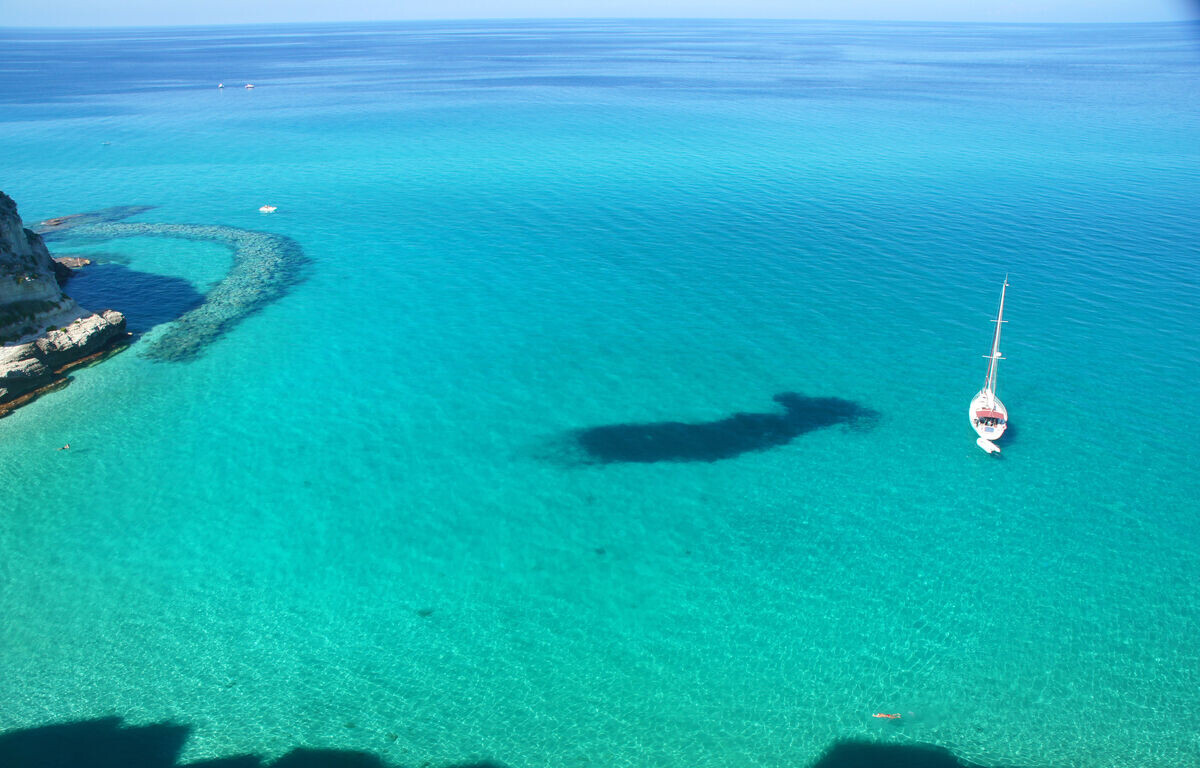
The region of Puglia, at the heel of Italy’s boot, is a feast of colour. Not only do two deep-blue seas meet here, but the lush green Foresta Umbra also awaits you in Italy’s largest national park. The sea sparkles turquoise along the 800km coastline, with its golden sandy beaches and alabaster-coloured cliffs. Experience Italian charm in the picturesque port towns of Bari and Otranto. In Lecce, the so-called “Florence of the South”, you will see imposing Baroque buildings made of volcanic tuff. In contrast, the little trulli, the characteristic whitewashed stone huts with conical roofs, are a sight to admire on your visit to Alberobello. At a masseria, a traditional southern Italian country estate, savour a fine local wine as you reflect on your experiences. You will be delighted by the region’s incredible variety!
Itinerary
Look forward to a tour of Puglia, in the far south of Italy. You will first fly to the regional capital, Bari. From there, a transfer will take you to your hotel in the Gargano area.
Today you will take a tour of the Gargano region. Along the way, you will visit Monte Sant‘Angelo, a popular, centrally located pilgrimage town. The town offers lovely views of Manfredonia and the "Tavoliere", the largest plain in southern Italy. Visit the pilgrimage church dating from 1273 and the „Tomb of Rotari“ (admission payable locally). Your journey then continues across the karst plateau of Monte Gargano and through the magnificent beech forest of Foresta Umbra, Italy's largest national park with its impressive flora and fauna. You will round off the day with a walking tour of Vieste. This picturesque white town was built along the cliffs. It is just how lovers of Italy imagine its coastal towns: romantic, with narrow, winding streets and full of life.
Head south to the heel of Italy. Your first stop is the famous Castel del Monte (optional admission), a monument dating from the reign of the Hohenstaufen Emperor Frederick II. The castle’s distinctive feature is its octagonal layout with eight towers. Next, Bari, the capital of Apulia, awaits you. Here, the cultures of centuries past meet modern Mediterranean life. On a headland between two harbours lies the old town of Bari Vecchia, with its maze of narrow streets and the Basilica of San Nicola dating from the 11 century. In the southern district of Murat, meanwhile, you will find elegant buildings from the 19 century, a promenade and a pedestrian zone. After exploring the city, continue to your hotel in the Alberobello/Monopoli area.
After breakfast, you set off for the city of Taranto, also known as the "City of Two Seas" due to its geographical location. You take a walking tour of the historic old town, where settlement dates back to the Neolithic period. Here you have the opportunity to see the famous Gold of Taranto at the National Archaeological Museum (admission payable locally). You then continue through the Valley of the Trulli to the enchanting Baroque town of Martina Franca, set on a limestone plateau. From here, you can enjoy wonderful views over the trulli, olive groves and vineyards. The historic old town is characterised by whitewashed houses and picturesque lanes. At its heart lies Piazza Plebiscito, home to the Basilica di San Martino.
You round off the day with a drive through the beautiful countryside to the charming little town of Locorotondo. As its name suggests, the town has a circular layout, as you will discover on a walking tour.
Enjoy your free day today or take an excursion to Altamura and Matera (optional). Altamura lies on the Murgia plateau. The old town is particularly worth seeing, with the Cathedral of Santa Maria Assunta and its Baroque towers, as well as the Church of San Nicolò dei Greci dating from century 13. Altamura is known for its delicious bread, which is sold throughout the town and has won several awards for its quality. After a bread tasting, you will travel on to Matera. The town lies in the neighbouring region of Basilicata and was a Capital of Culture in 2019. The historic town centre with its cave dwellings is truly unique! If you wish, you can visit a cave dwelling and a rock-cut church (entrance fees payable locally).
Today you visit Lecce, also known as the Florence of the South. Alongside Roman and medieval heritage, you will also find traces of the Renaissance. However, it is the Baroque style that became particularly widespread here, developing into a distinctive variant known as Lecce Baroque. This architectural style has been prevalent in Lecce since the seventeenth century, during the period of Spanish rule. The soft volcanic tuff in golden and warm hues was easy to work, offering countless possibilities for Baroque architecture.
From Lecce, you travel to Otranto, Italy's easternmost town. The historic town centre is surrounded by city walls, and enjoys a picturesque seaside setting. The cathedral with its magnificent mosaic floor is particularly worth seeing.
Your first stop today could be at the Castellana Caves. Those who wish can visit Italy’s largest karst cave, which stretches over 3km and reaches around 70m below ground (optional). Look forward to caves, gorges, stalactites and stalagmites in extraordinary shapes and colours at temperatures of around 16 °C. You then travel to Alberobello, in the heart of Apulia. This small town is best known for its distinctive cone-roofed buildings, the trulli. Although these can be found throughout Apulia, particularly in the Murgia dei Trulli, nowhere are they as numerous as in Alberobello. These simple, whitewashed round houses have been a UNESCO World Heritage Site since 1996. You stop at a masseria in Pezze for a wine tasting with a light lunch before continuing to Ostuni. Ostuni’s main attraction is its superbly preserved old town, with a picturesque maze of narrow streets and steps winding between the typical whitewashed houses. The heart of the old town is Piazza della Libertà, on the boundary between the old and new towns. Here you will find the town hall in a former monastery and the Baroque Oronzo Column. Other sights include the cathedral and the Baroque church of Santa Maria Maddalena. Also worth a visit is the Museo Civiltà Preclassica della Murgia Meridionale, which offers an insight into prehistoric agriculture in the western Mediterranean.
Now it is time to say goodbye to Puglia. With wonderful memories as souvenirs, you board your flight home. And perhaps you will return soon, as there is still so much to discover in Puglia!
Supplement for fewer than 25 people
Minimum number of participants: 18 people
Departure airports
With a reputable airline from many German airports, some subject to a supplement. Taxes/fees/surcharges may vary depending on the departure airport. Departures from Austria and Switzerland on request.
Bread and Baroque experience package
Full-day guided tour of Altamura and Matera
Coach hire for the full day
Bread tasting in Altamura
Included services
- 2 x overnight stay with half board in the Vieste/Gargano area
- Half board with a 3-course evening meal or buffet
- 5 x overnight stay with half board in the Alberobello/Brindisi area
- Half board with a 3-course evening meal or buffet
- Upper mid-range SRG hotels
- Economy Class flight with a reputable airline (connecting flight possible)
- Germany – Bari
- Bari – Germany
- incl. all taxes, fees and surcharges (as of 05/2026)
- 1 piece of luggage
- Airport – hotel – airport transfers incl. assistance on arrival
- 1 x Full-day guided tour of the Gargano area incl. coach hire
- 1 x Full-day guided tour of Castel del Monte and Bari incl. coach hire
- 1 x Full-day guided tour of Taranto, Marina Franca and Locorotondo incl. coach hire
- 1 x Full-day guided tour of Otranto and Lecce incl. coach hire
- 1 x Full-day guided tour of Alberobello & Ostuni incl. coach hire incl.:
- Tasting of 3 wines with a light lunch in the Alberobello area
- Quietvox audio guide system from day 2 – 7
When to travel
When is the best time to visit Italy?
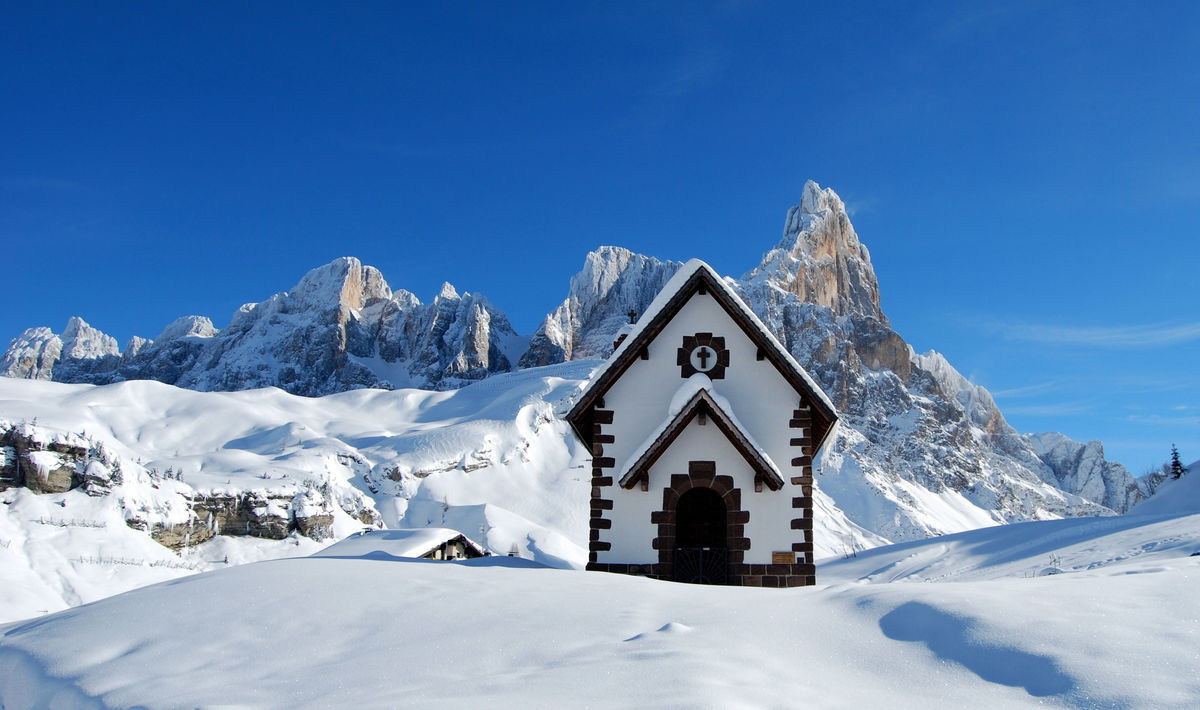
Italy is an attractive destination all year round. While spring and autumn are particularly popular for cultural trips and touring holidays, summer beckons with lakes, coastlines and mountain scenery. In winter, the Alps in particular offer a wide range of travel options.
| Travel experience | JJan | FFeb | MMar | AApr | MMay | JJun | JJul | AAug | SSep | OOct | NNov | DDec |
|---|---|---|---|---|---|---|---|---|---|---|---|---|
| Cultural trips and city breaks | – | – | suitable | suitable | suitable | suitable | – | – | suitable | suitable | – | – |
| Tuscany and touring holidays | – | – | – | suitable | suitable | suitable | – | – | suitable | suitable | – | – |
| Northern Italian lakes | – | – | – | suitable | suitable | suitable | suitable | suitable | suitable | suitable | – | – |
| The Mediterranean and coastlines | – | – | – | – | suitable | suitable | suitable | suitable | suitable | – | – | – |
| The Dolomites in summer | – | – | – | – | – | suitable | suitable | suitable | suitable | – | – | – |
| Food and wine | – | – | – | – | – | – | – | – | suitable | suitable | suitable | – |
| Winter sports in the Alps | suitable | suitable | suitable | – | – | – | – | – | – | – | – | suitable |
General guidance – the best time to travel depends on the region, weather and itinerary. Find out more about Italy