Tour description
Like a natural amphitheatre sloping down in tiers towards the sea, the landscape unfolds between the Cévennes and the vast marshes of the Camargue. Your journey takes you into the heart of Languedoc and to the borders of Provence – a region full of contrasts: the Roman heritage of Nîmes, medieval Aigues-Mortes with its salt marshes and neoclassical Montpellier. The mild Mediterranean climate has encouraged the development of numerous seaside resorts along the coast – from quaint fishing ports to architectural highlights such as the pyramid-shaped buildings of La Grande-Motte.
Itinerary
Travelling through the Rhône Valley and beautiful Provence, you reach neighbouring Languedoc. The region delights with a unique blend of monumental Roman architecture in Nîmes and the vibrant, modern atmosphere of Montpellier. Here your guests can experience Mediterranean diversity within a compact area – from bustling old towns and the relaxed pace of southern life to authentic culture that makes every stay unforgettable.
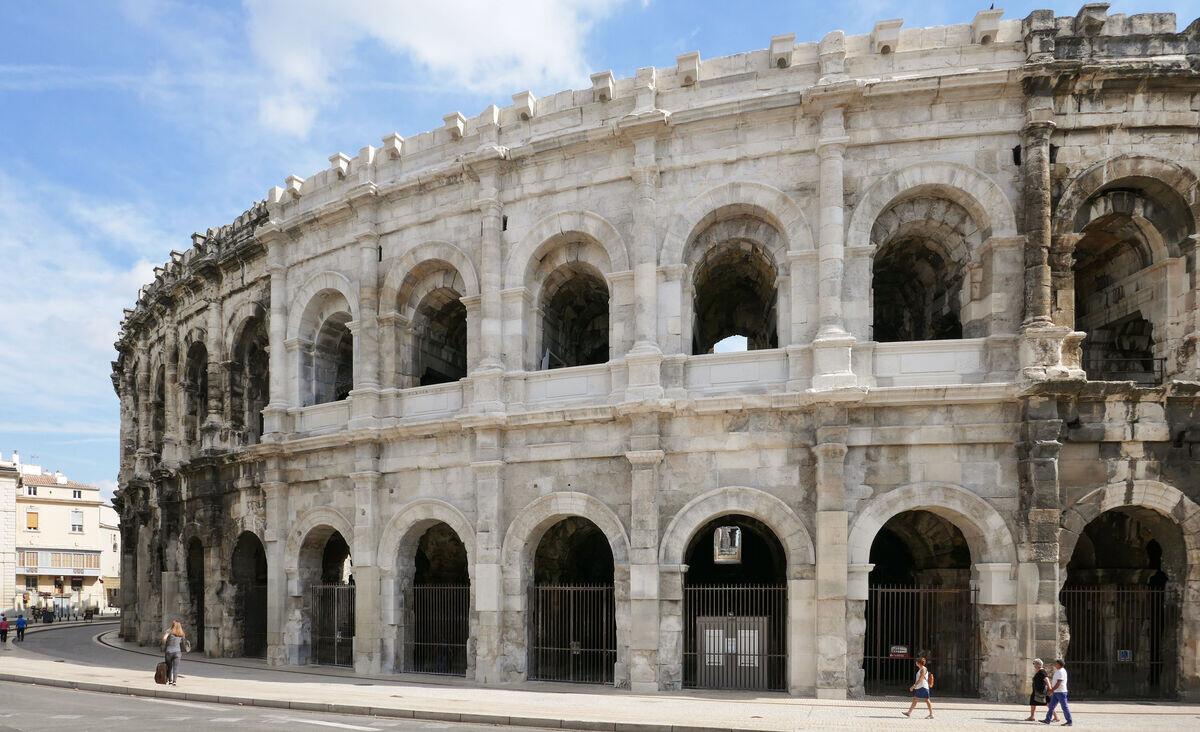
On today's guided tour, you will discover the most important Roman remains in Nîmes: the imposing amphitheatre, still used for cultural events today, the Maison Carrée, one of the best-preserved Roman temples, and the impressive Jardins de la Fontaine with their pools and waterways.
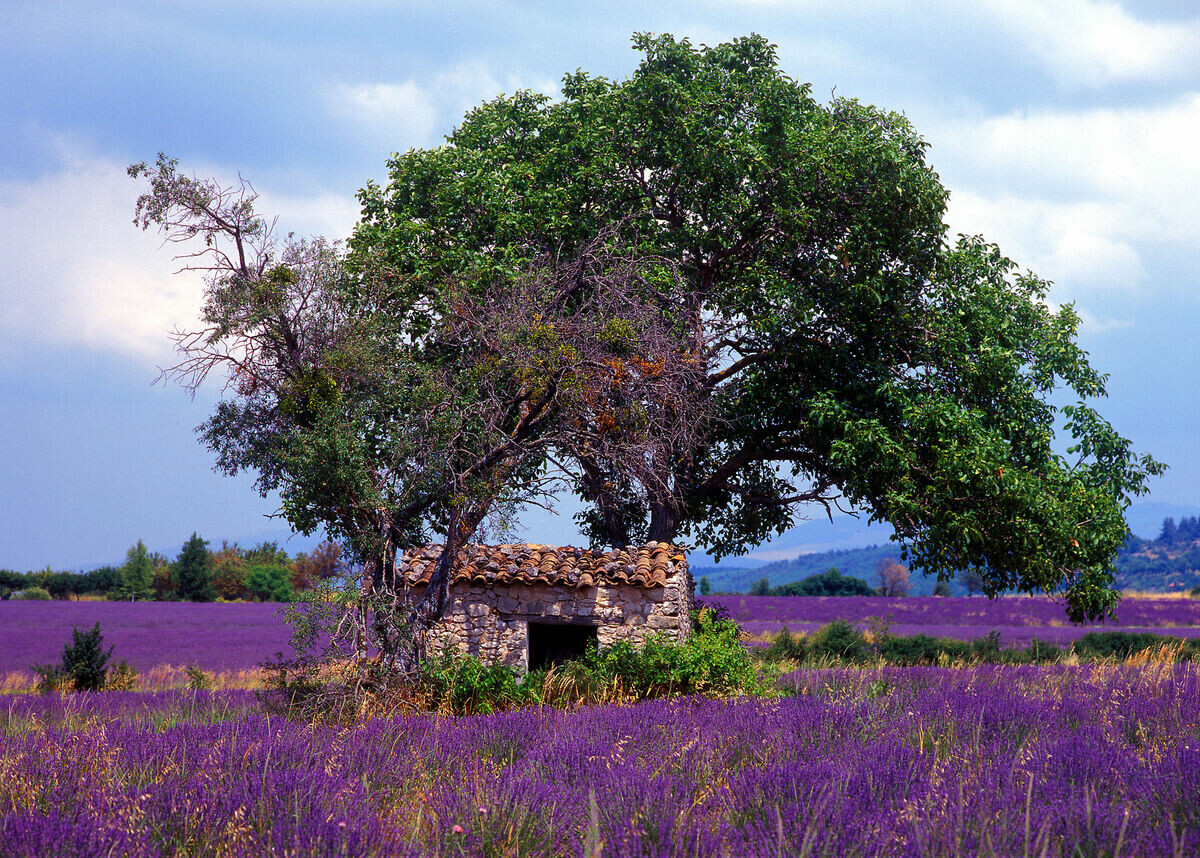
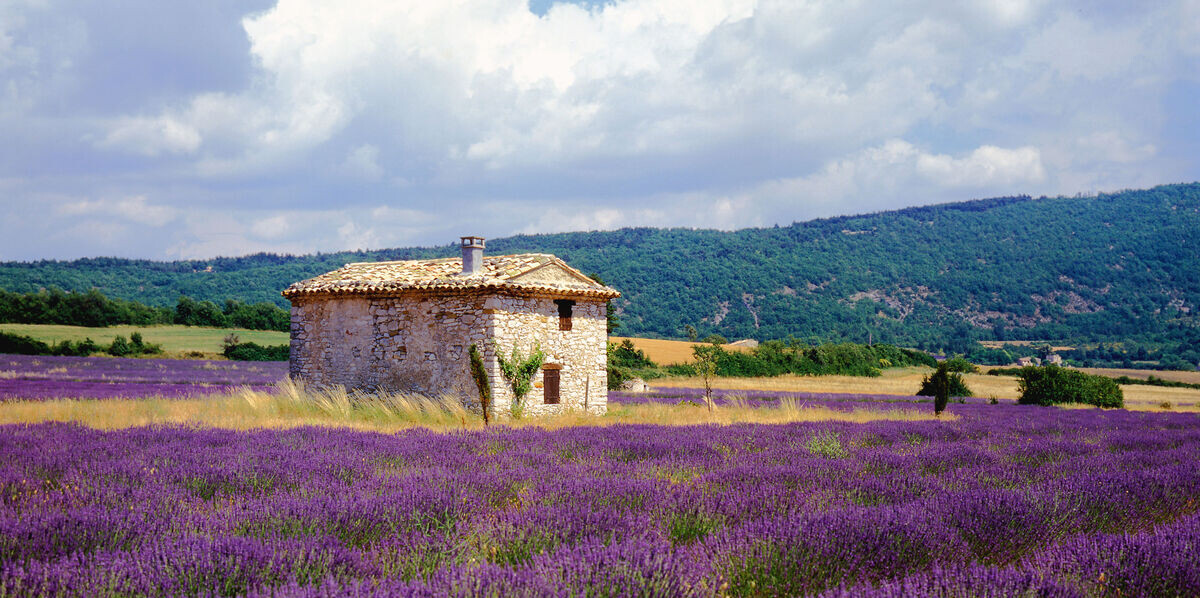
In the afternoon, you continue east to visit a lavender farm (optional). Here you will learn all about distilling various plants and producing essential oils. If you wish, you can make your own lavender sachets or perfume creations (additional charge). The day could end with a visit to a winery, where Gallo-Roman reconstructions and, of course, a tasting of Roman wines take us back to that era (optional).
Your day begins in Anduze, a town with a long tradition of pottery making. Here you board the historic Cévennes steam train, which takes you on a 13-kilometre scenic journey through the ruggedly beautiful Gardon gorges to Saint-Jean-du-Gard. After free time for lunch, you return to Anduze by train – with an optional stop at the famous Bambouseraie (bamboo grove), one of Europe's most beautiful exotic gardens (optional). Across 34 hectares, discover plants from five continents and enjoy a unique garden landscape that delights the senses.
Today you explore Montpellier, a city full of architectural contrasts: the Gothic cathedral, the medieval old town, the triumphal arch dating from century 17 and the modern Antigone district with its clean, neoclassical lines.
If you wish, head to the coast in the afternoon to visit an oyster farm on the Thau Lagoon (optional). Learn fascinating facts about the different types of shellfish and traditional production methods – naturally followed by a tasting. Afterwards, enjoy a panoramic tour of Sète, the „Venice of Languedoc“, before visiting a winery in Frontignan (optional) to sample the region's characteristic Muscat – an aromatic fortified wine that makes an excellent aperitif or accompaniment to dessert.
Alternatively, you could visit the château and wine estate Château de Flaugergues in Montpellier (optional). It has been passed down through generations of the same family for over 200 years and is still lived in today. Ascend the magnificent staircase and wander through the lavishly furnished rooms. Four hectares of parkland and several gardens – together forming the largest private garden in Montpellier, listed as a historic monument, also invite you to enjoy a leisurely stroll. Treat your palate to a tasting of the estate’s wines (optional).
Today you explore the Camargue and the medieval town of Aigues-Mortes. A two-hour boat trip takes you through the canals of the Camargue. Along the way, you stop at a manade, a traditional bull ranch, to learn about the work of the bull breeders on their white Camargue horses. You then continue through the enchanting landscape of marshes, rice fields and reeds.
Back in Aigues-Mortes, enjoy a ride on the little tourist train along the impressive town walls and discover the old town from a new perspective (optional). Afterwards, you leave this picturesque town, passing extensive salt pans on your way to the seaside resorts of Le Grau-du-Roi and La Grande-Motte. Here, a stroll through the modern harbour town is well worthwhile, with its pyramid-shaped buildings recognised as an important architectural legacy of the 20th century.
On your return journey, stop off in Avignon, the "City of Popes", before leaving Provence behind. Its mighty fortifications protectively surround the medieval old town with its Gothic Palace of the Popes dating from the 14th century. You will, of course, also discover the famous Pont d'Avignon, which became widely known through a French folk song (optional guided walking tour).
Experience packages
"Lavender and Roman wine"
Visit to a lavender farm with a distillery
Roman wine tasting and tour of a Gallo-Roman wine cellar
"Oysters and fortified wine"
Oyster tasting and visit to an oyster farm on the Thau Lagoon
Tasting of the region's characteristic Muscat wine
Included services
- 4 x overnight stay including buffet breakfast
- 1 x overnight stay with half board
- Half board with a 3-course evening meal or buffet
- Good SRG mid-range hotel for the duration of your stay, central location
- 1 x 2-hour walking tour of Nîmes
- 1 x steam train ride in the Cévennes Anduze – Saint-Jean-du-Gard – Anduze, 40 min./each way
- 1 x 3-hour guided tour of Montpellier
- 1 x 2-hour boat trip in the Camargue with a stop to see a herd of bulls
- Quietvox audio guide system for the entire trip
When to travel
When is the best time to visit France?
France is appealing all year round; the best time to travel depends largely on the region and type of trip.
| Travel experience | JJan | FFeb | MMar | AApr | MMay | JJun | JJul | AAug | SSep | OOct | NNov | DDec |
|---|---|---|---|---|---|---|---|---|---|---|---|---|
| Paris city breaks | – | – | – | suitable | suitable | suitable | – | – | suitable | suitable | – | – |
| Loire châteaux | – | – | – | suitable | suitable | suitable | suitable | suitable | suitable | suitable | – | – |
| Alsace | – | – | – | – | suitable | suitable | suitable | suitable | suitable | suitable | – | suitable |
| Provence / Lavender | – | – | – | – | – | suitable | suitable | – | – | – | – | – |
| Côte d’Azur | – | – | – | – | suitable | suitable | suitable | suitable | suitable | – | – | – |
| Brittany and Normandy | – | – | – | – | suitable | suitable | suitable | suitable | suitable | – | – | – |
| Alps in Summer | – | – | – | – | – | suitable | suitable | suitable | suitable | – | – | – |
| Alps in winter | suitable | suitable | suitable | – | – | – | – | – | – | – | – | suitable |
General guidance – the best time to travel depends on the region, weather and itinerary. Lavender flowering varies with the weather and location, while the winter season depends on snow conditions. Find out more about France