Ireland
Dublin & Kerry: Two sides of the Emerald Isle
- Ferry crossings:
- Rotterdam – Hull for coach and passengers
- Buffet breakfast on board
 Essential tour
 Tour
8 daysper person from1.097 €

Green rolling hills, dramatic Atlantic coastlines and vibrant cities – discover Ireland's nature, history and hospitality together.
The Republic of Ireland delights visitors with green landscapes, rugged Atlantic coastlines, historic monasteries and vibrant cities. Between Dublin on the east coast and the impressive peninsulas in the west, medieval buildings, small harbour towns and vast natural areas await. The Wild Atlantic Way in particular follows a varied coastline of cliffs, bays and traditional towns and villages.
In the south-west, the Iveragh Peninsula, Killarney and the Dingle Peninsula define the landscape, while Galway is regarded as a cultural hub on the west coast. Groups can enjoy cultural and scenic tours, musical encounters and culinary discoveries. The excursions, visits and services included depend entirely on the specific holiday package available.
1 Tours found für „Kerry“
Ireland
Essential tourTourTravel guide
From dramatic cliffs and ancient monastic sites to vibrant cities, discover the highlights of the Republic of Ireland.
Nature · Coast
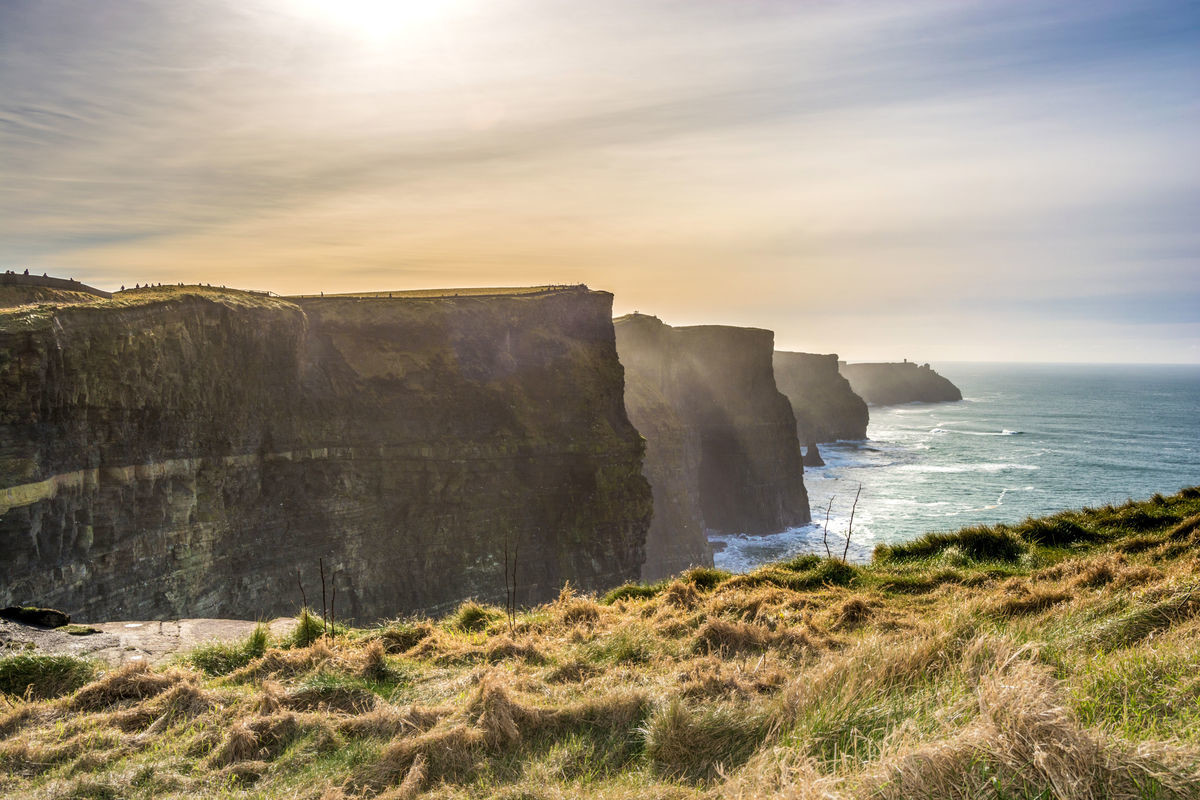
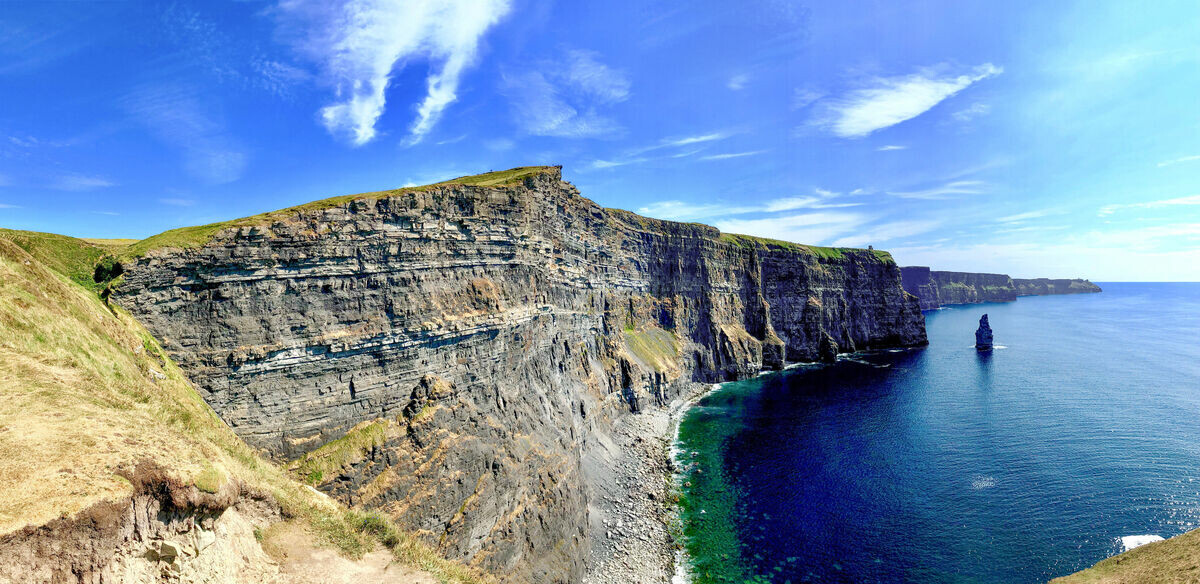
On the coast of County Clare, the Cliffs of Moher rise dramatically above the Atlantic. The views of sheer rock faces and the vast seascape are among Ireland’s most iconic natural sights.
Region: County Clare
City · Culture
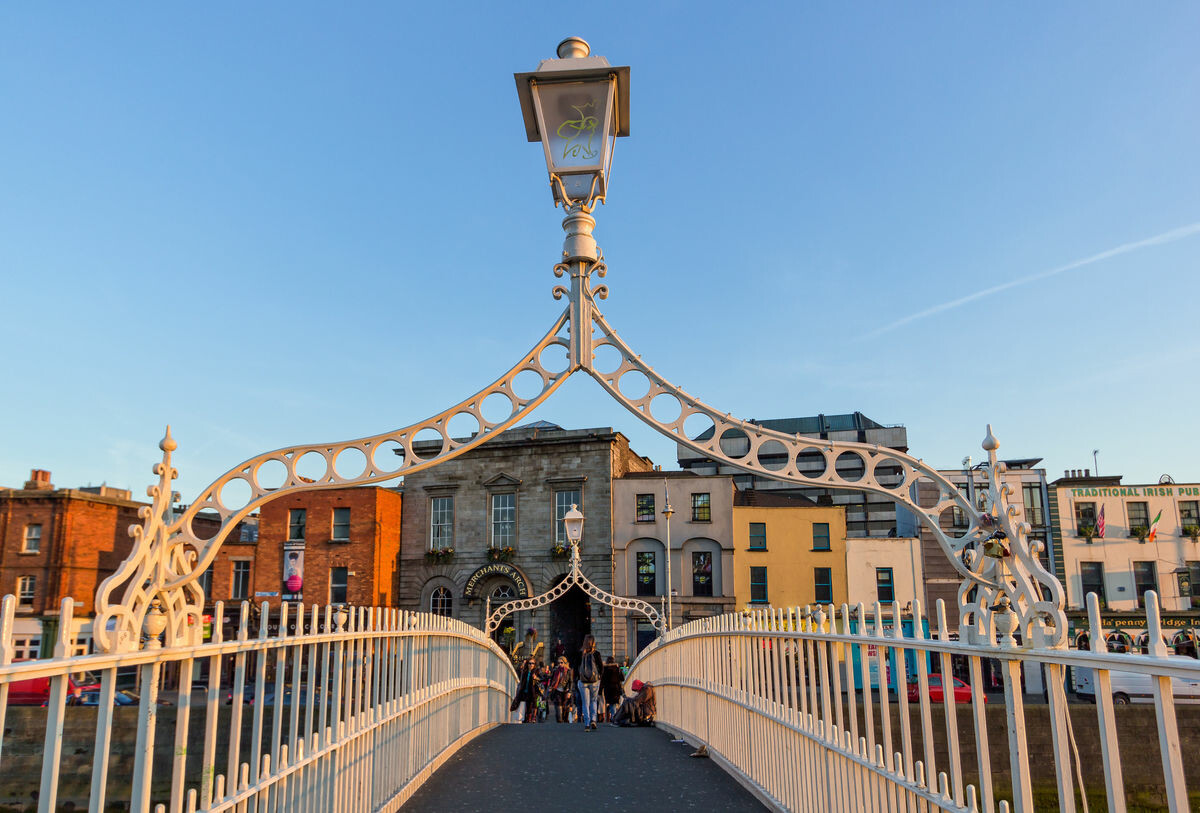
Ireland’s capital combines Georgian architecture, museums, vibrant neighbourhoods and a rich literary heritage. The long-established Trinity College is central to the city’s cultural identity and a popular starting point for exploring Dublin.
Region: Dublin
AI-generated illustration
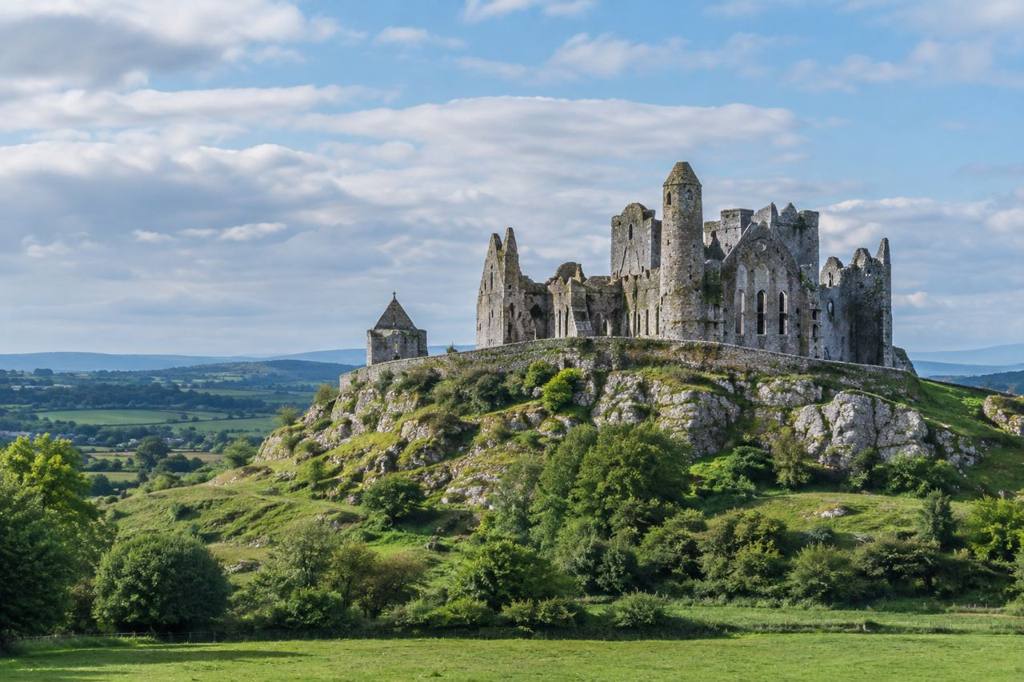
The historic Rock of Cashel rises above the landscape of County Tipperary, visible from afar. The ruins of its cathedral, chapel and round tower recall Ireland’s religious and political history.
Region: County Tipperary
AI-generated illustration
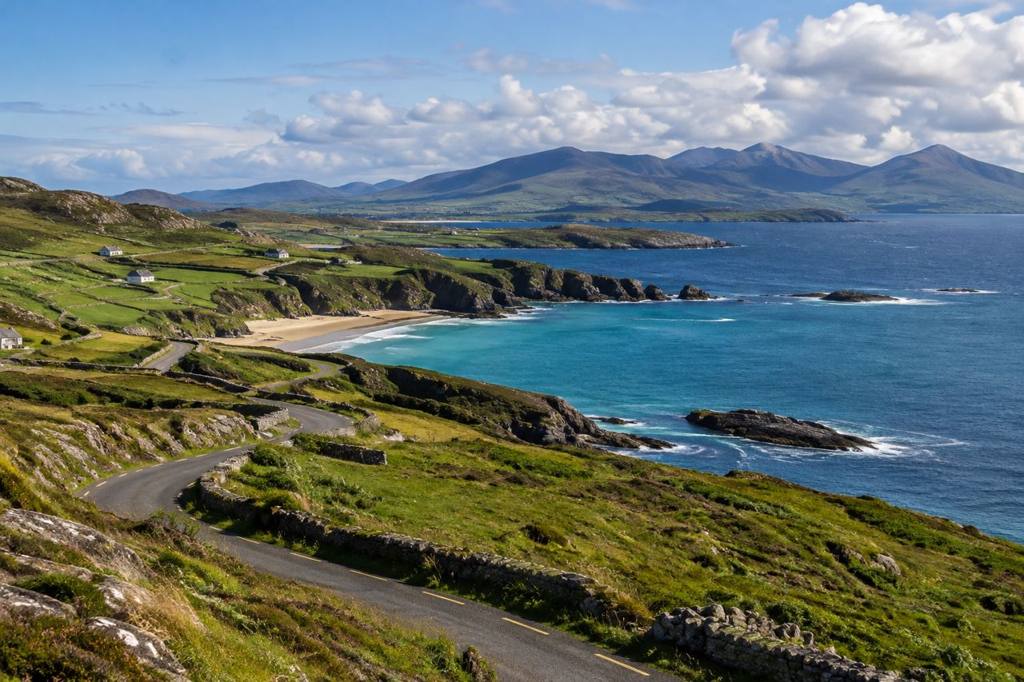
The scenic road around the Iveragh Peninsula winds through varied coastal and mountain landscapes in south-west Ireland. Small towns and villages, viewpoints and nearby Killarney National Park define the region.
Region: County Kerry
AI-generated illustration
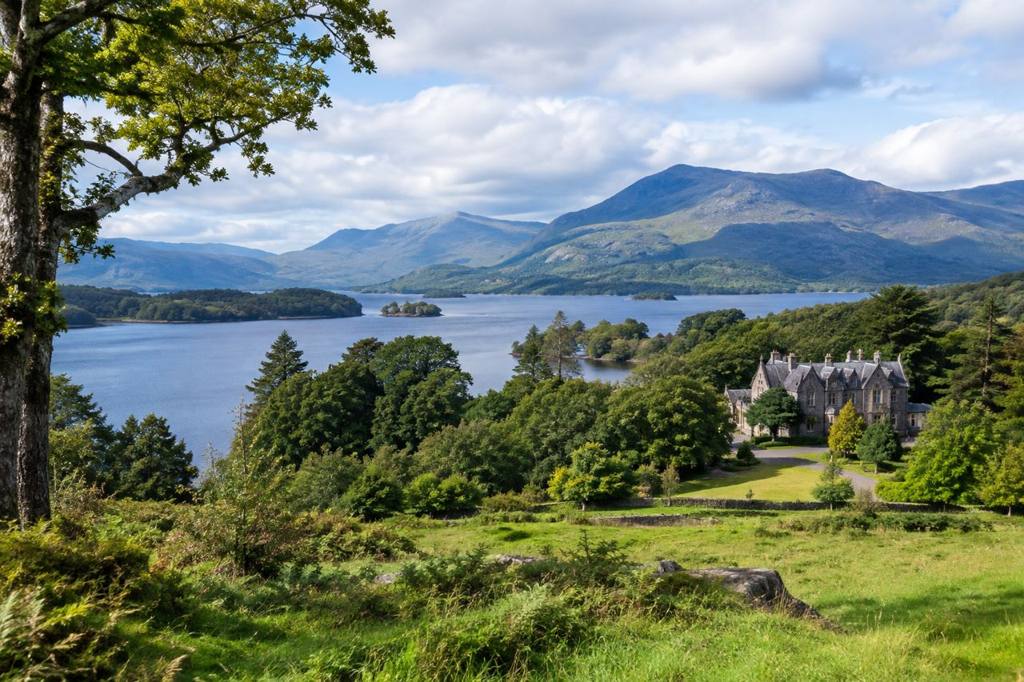
Killarney National Park brings together lakes, mountains, woodlands and historic landscapes shaped by people. The grounds of Muckross House and the views over Lough Leane reveal a particularly green side of the south-west.
Region: County Kerry
AI-generated illustration
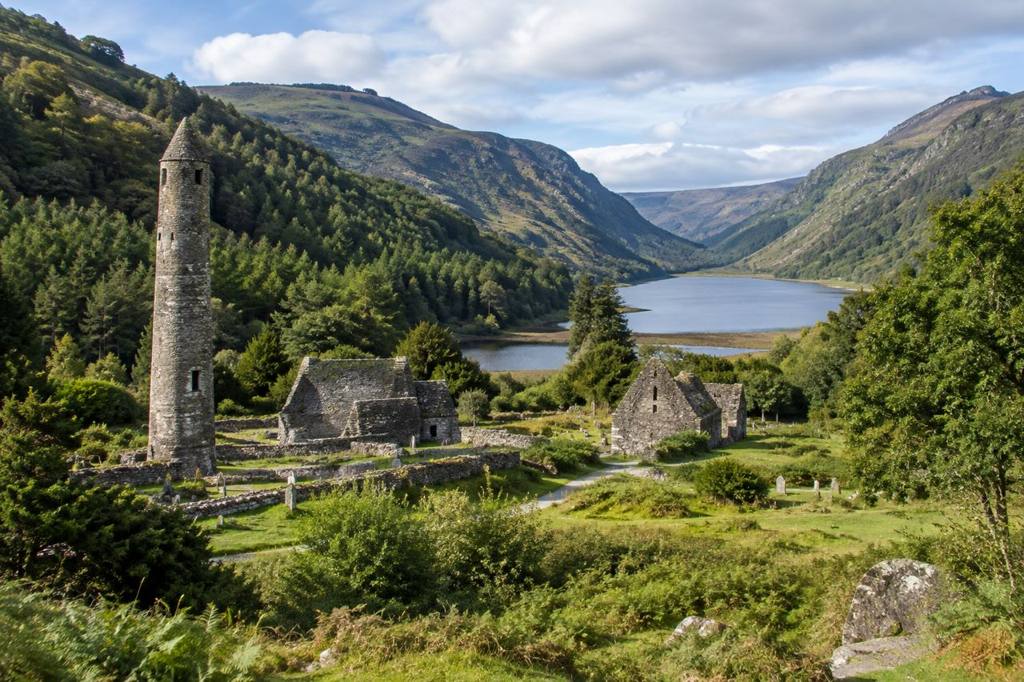
The valley of Glendalough is home to the remains of an early medieval monastic settlement with a distinctive round tower. Lakes, woodland and the scenery of the Wicklow Mountains make it an appealing destination for anyone interested in culture and nature.
Region: County Wicklow
AI-generated illustration
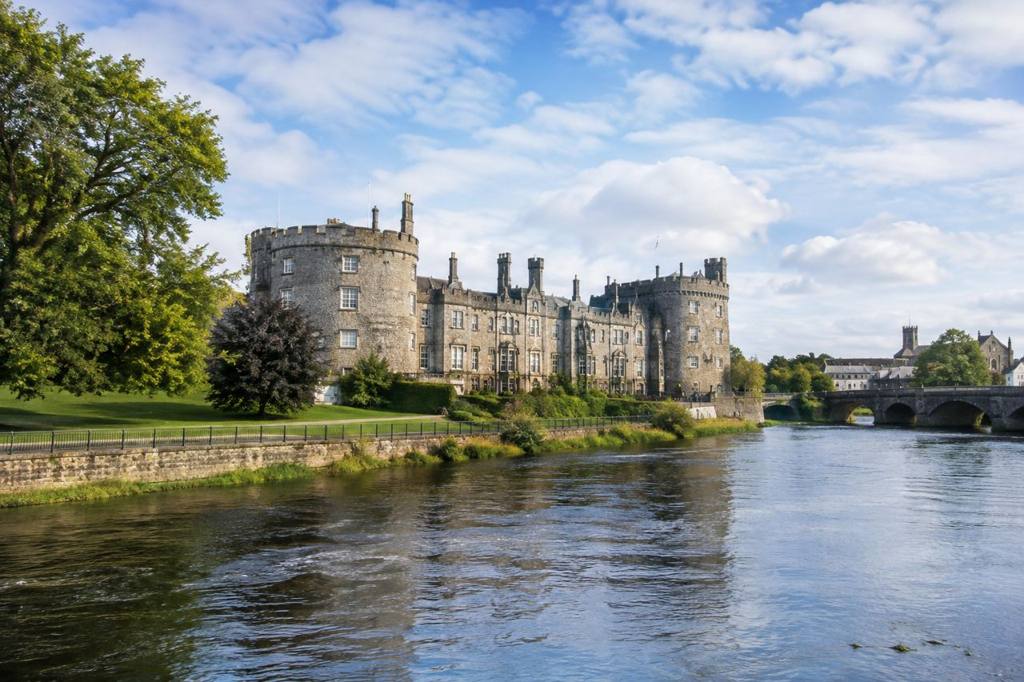
Kilkenny Castle is a defining landmark of the historic city of Kilkenny. The castle grounds and the city’s medieval streets offer insights into Irish history.
Region: County Kilkenny
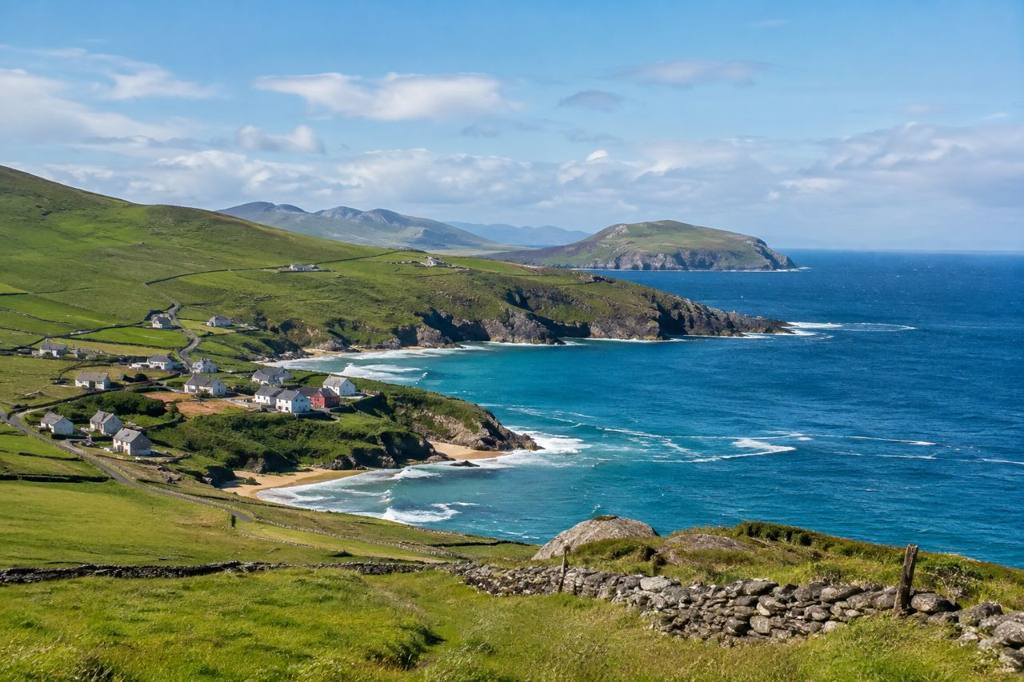
AI-generated illustration
The Dingle Peninsula delights visitors with rugged coastlines, green hills and small towns and villages. In parts of the region, the Irish language is particularly prominent in everyday life, and the landscape offers impressive views of the Atlantic.
Region: County Kerry
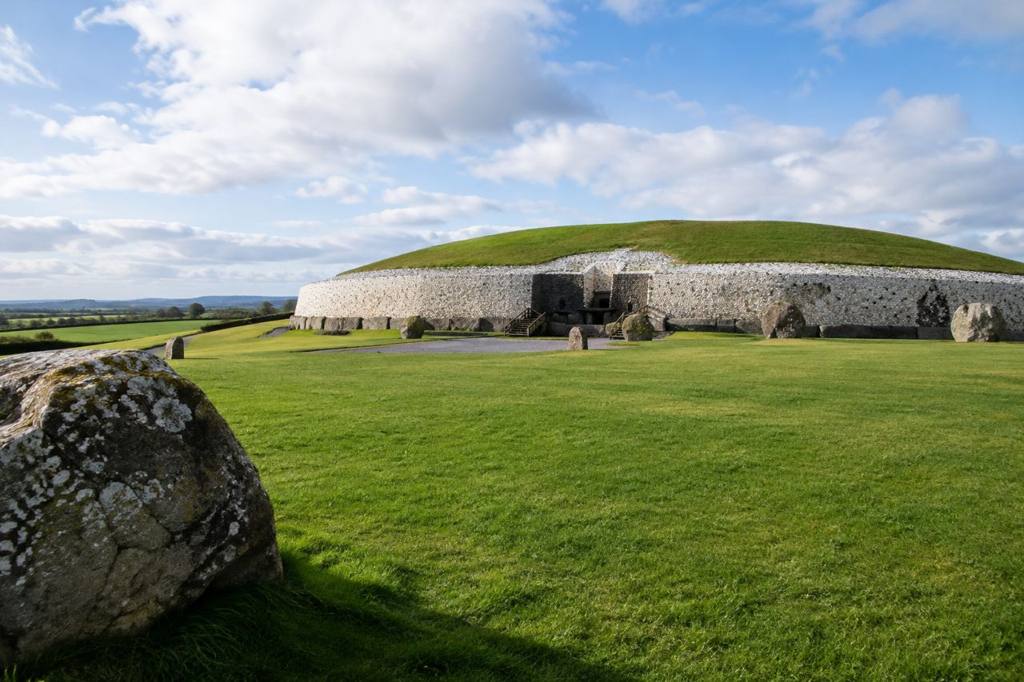
AI-generated illustration
The Boyne Valley is home to Newgrange, a significant Neolithic tomb. It forms part of the UNESCO World Heritage Site of Brú na Bóinne and illustrates the long history of human settlement on the island of Ireland.
Region: County Meath
Regions
Dublin combines historic buildings, culture and lively neighbourhoods. In the wider eastern region, the Wicklow Mountains and towns steeped in tradition offer varied opportunities to explore.
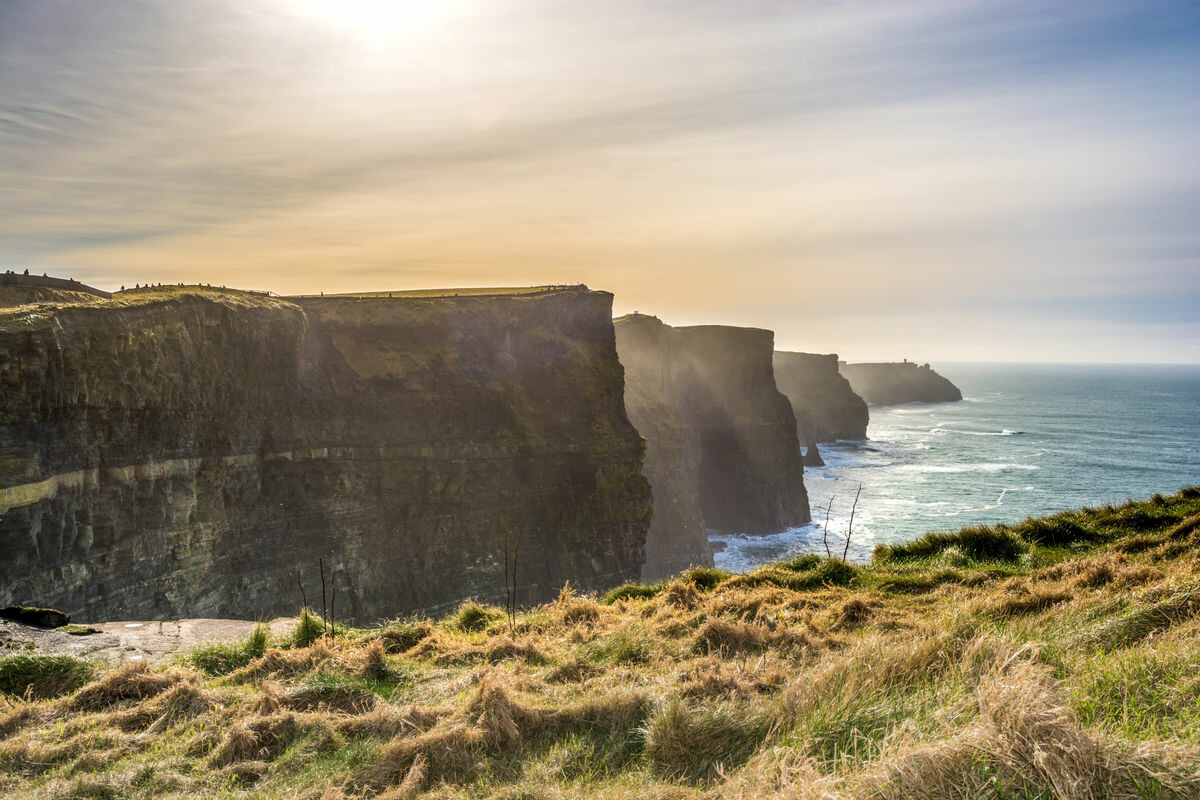
The Atlantic coast around Clare and Galway is known for sweeping sea views, cliffs and a distinctive cultural landscape. Small towns and villages and experiences in nature define this region.
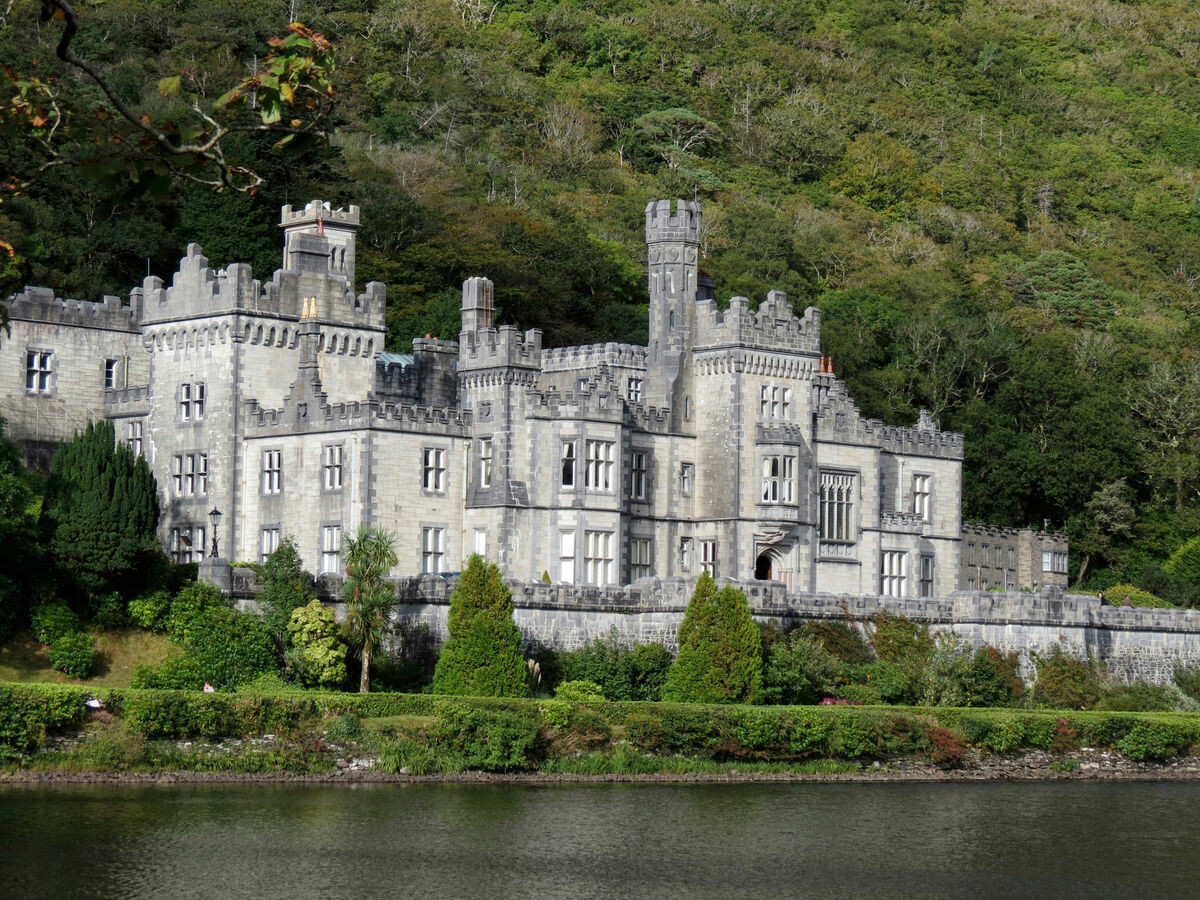
Galway is known as a vibrant cultural city in the west. To its west, the bogs, mountains, lakes and coastlines of Connemara form a particularly unspoilt landscape.
AI-generated illustration
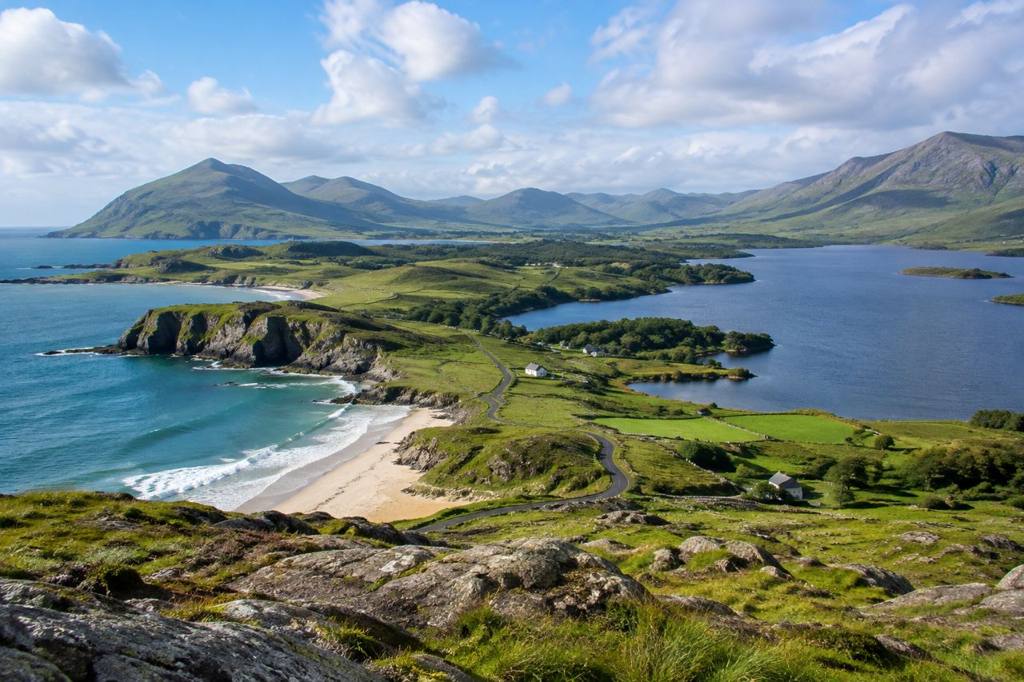
Kerry combines impressive coastal scenery with lakes, mountains and popular touring areas. The Iveragh and Dingle Peninsulas are among its scenic highlights.
AI-generated illustration
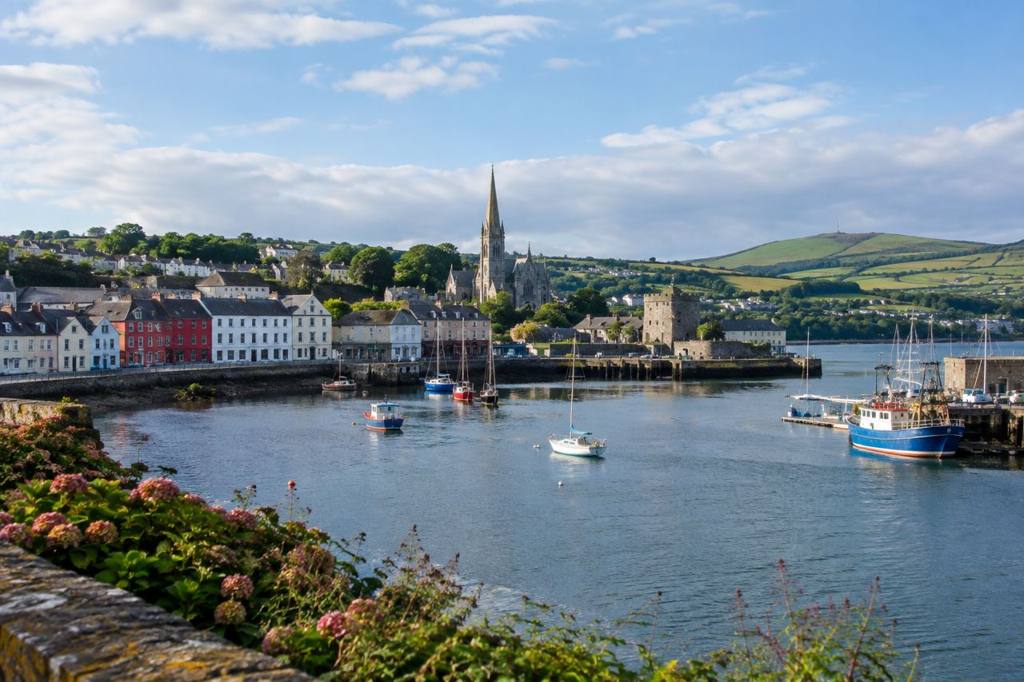
The city of Cork and the southern coastal region combine historic towns, maritime traditions and varied landscapes. Small harbour towns and regional cuisine define the area.
AI-generated illustration
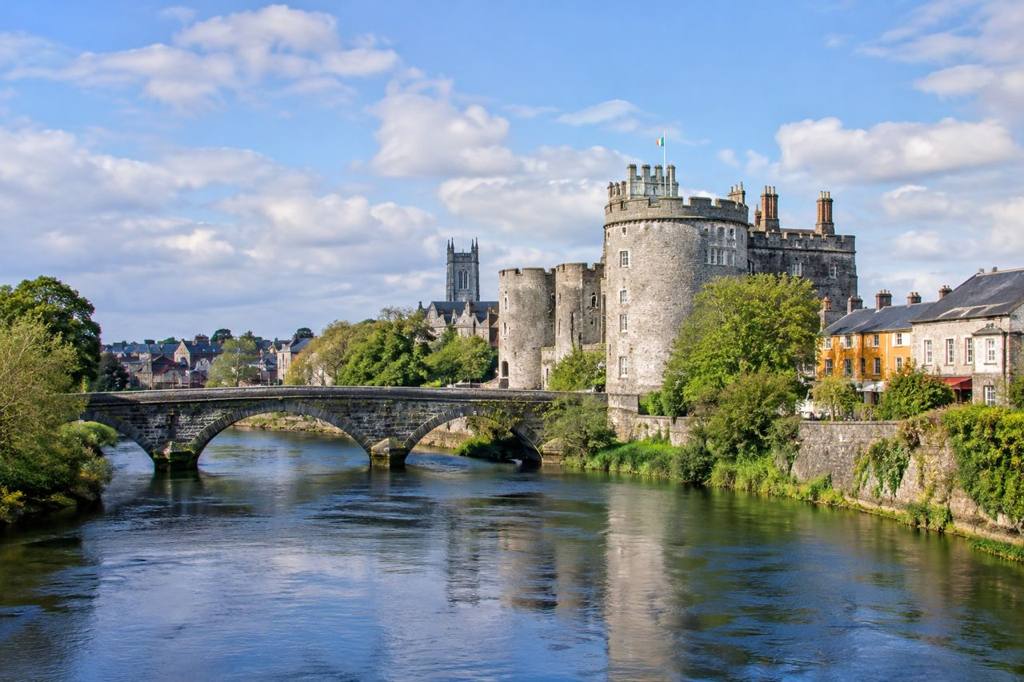
Kilkenny, Waterford and other towns in the south-east offer medieval architecture, urban history and a varied cultural landscape stretching from river valleys to the coast.
Map
The map shows the Republic of Ireland. Northern Ireland, in the north-east of the island, is part of the United Kingdom and is not marked here as a region of the Republic. Regional markers indicate representative locations, not itineraries or guaranteed visits.
Experiences
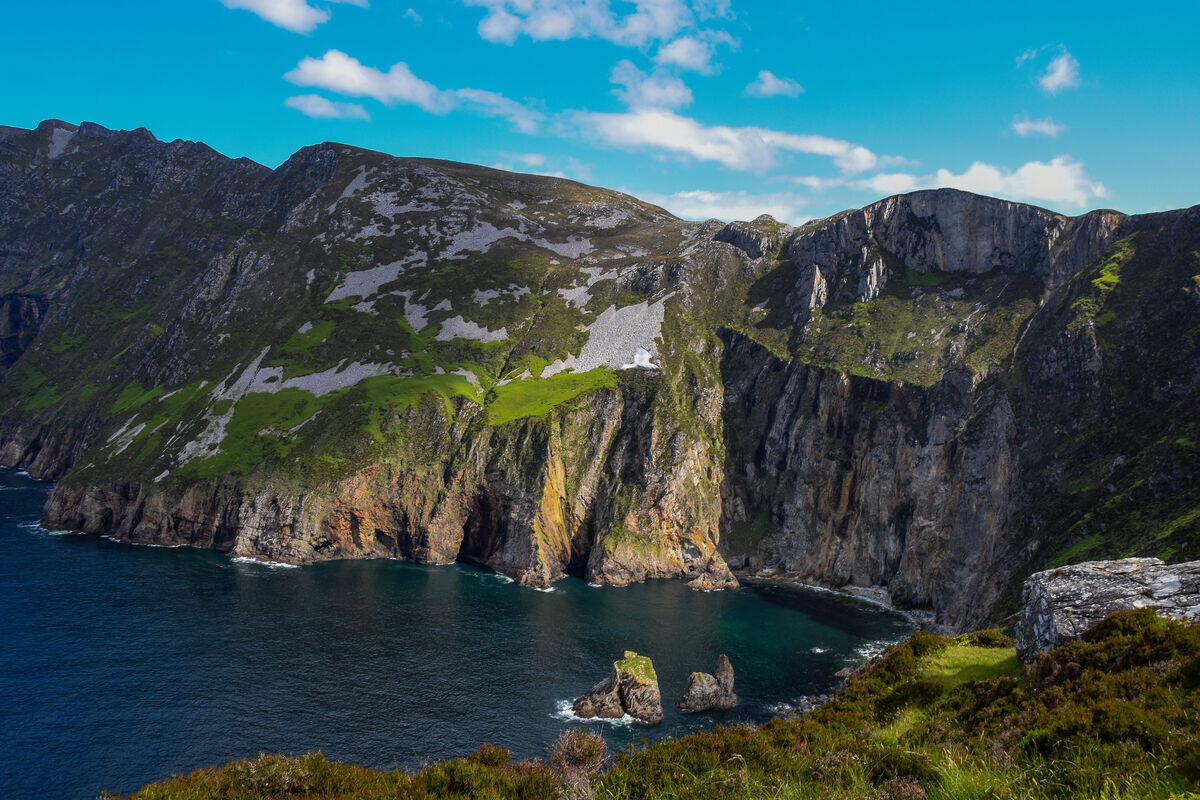
Ireland’s west coast impresses with sheer cliffs, sweeping bays and shifting light. Viewpoints and coastal towns offer different perspectives on the Atlantic.
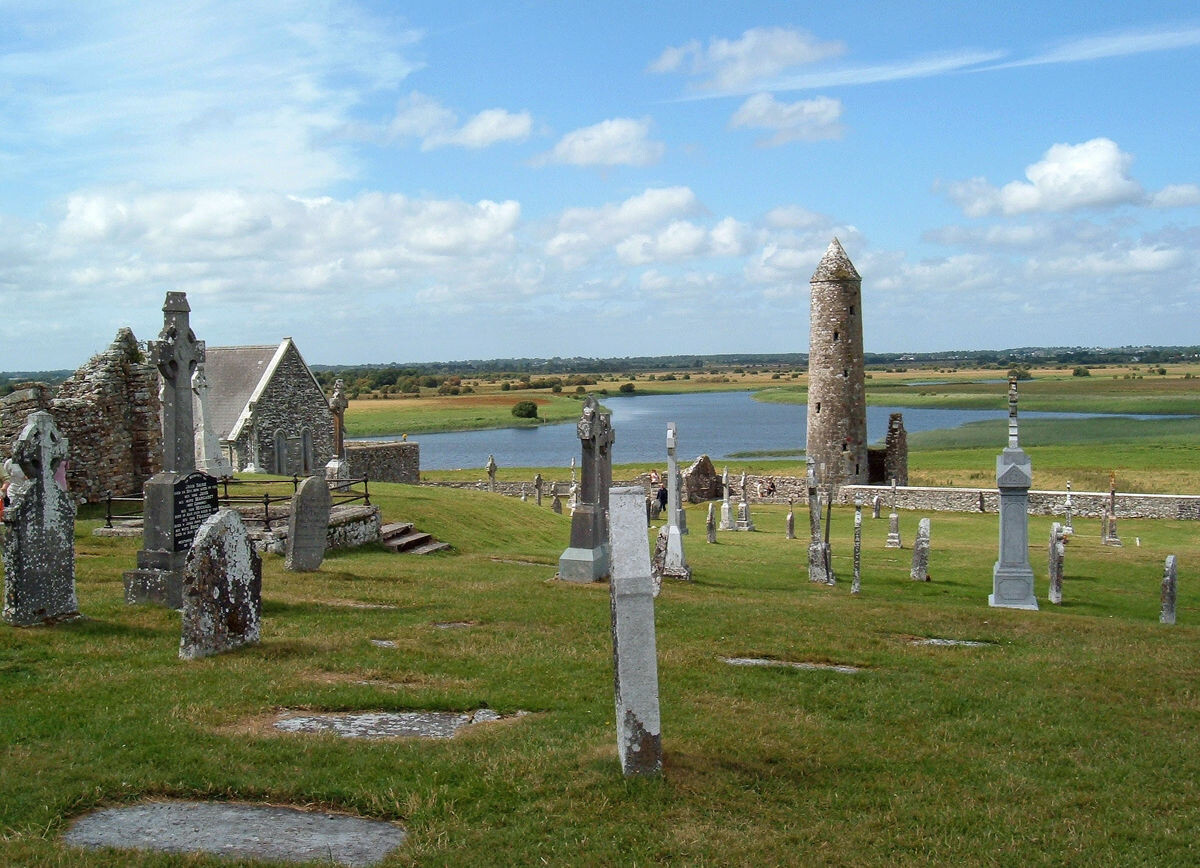
Castles, monastic ruins and historic towns tell the story of Ireland’s eventful past. Its cultural diversity ranges from medieval buildings to Neolithic sites.
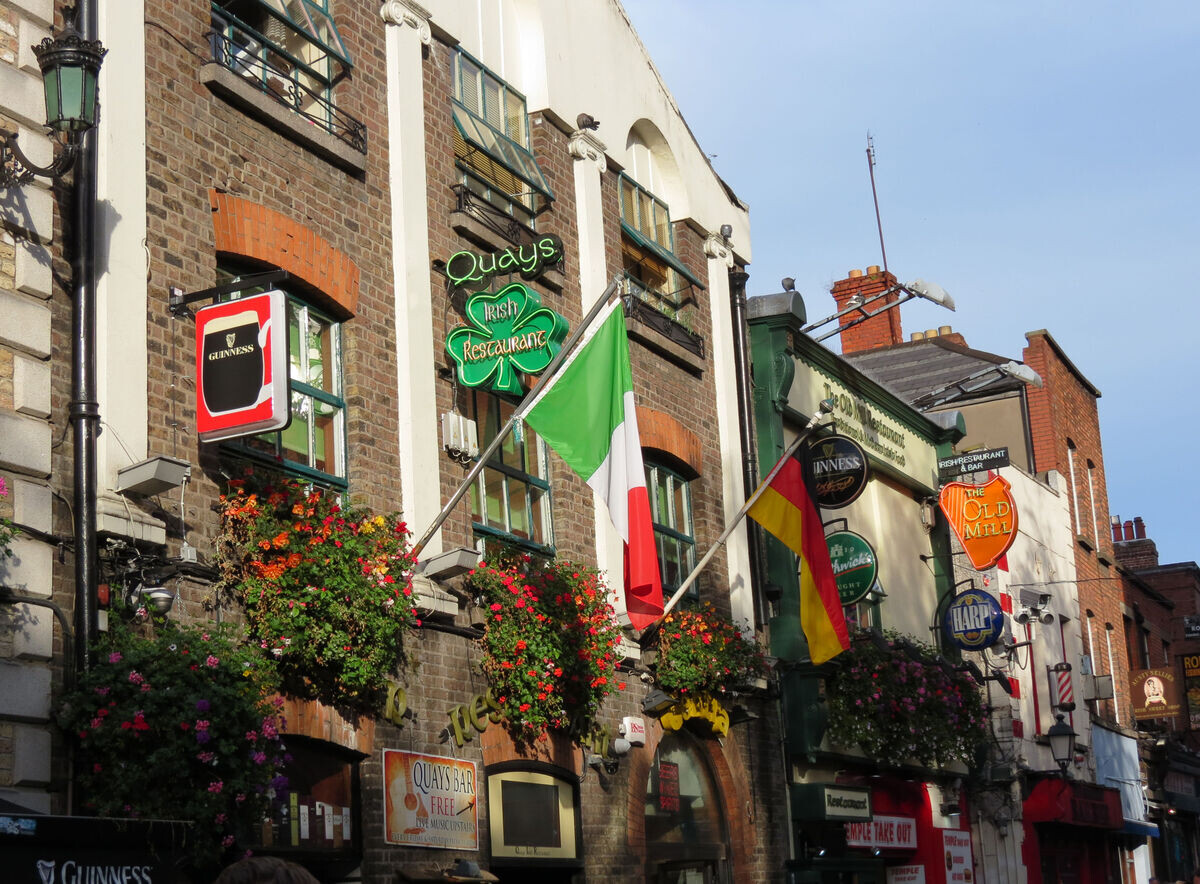
Traditional music is part of cultural life in many places. In cities and smaller towns, you can experience musical traditions and a sociable atmosphere, although specific performances cannot be guaranteed.
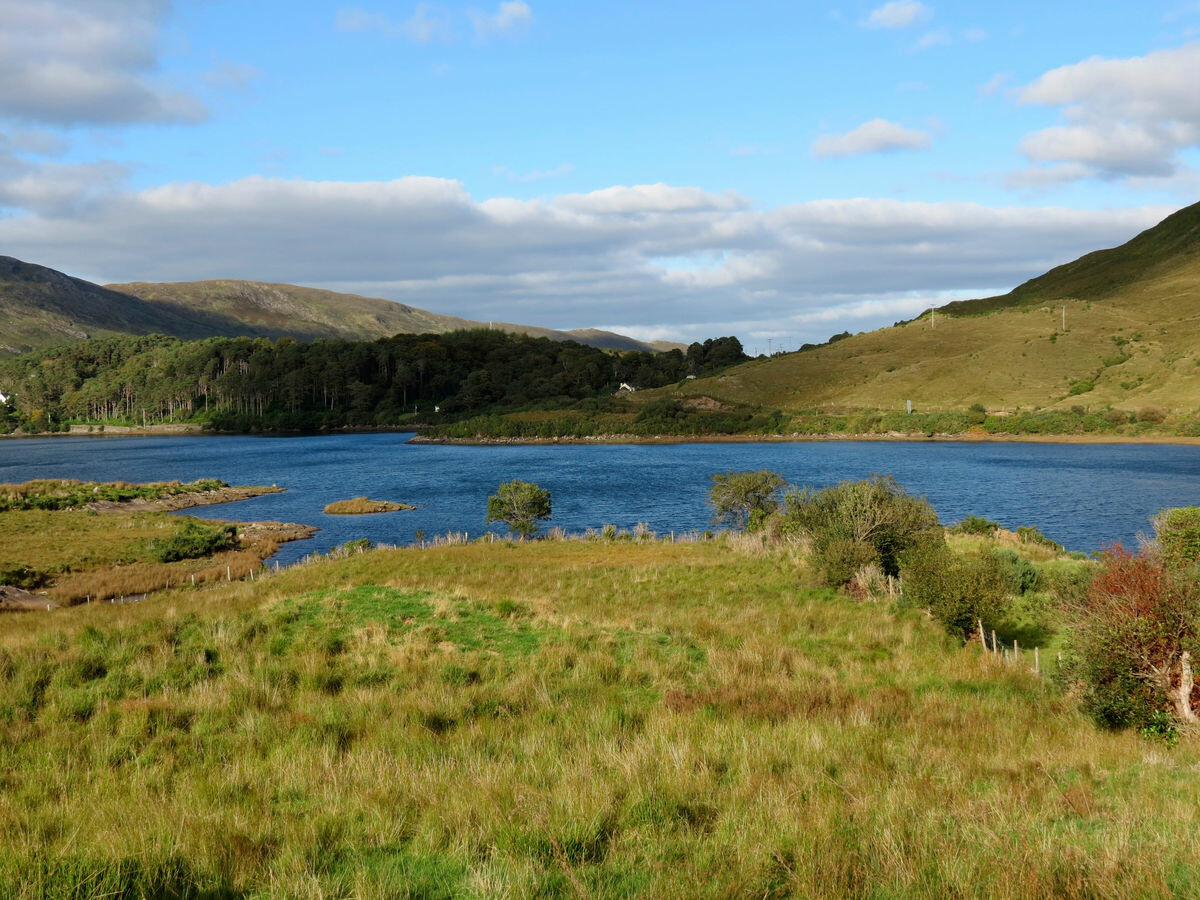
Lakes, mountains, bogs and forests shape Ireland's varied natural scenery. Kerry, Wicklow and Connemara in particular showcase a range of distinct landscapes.
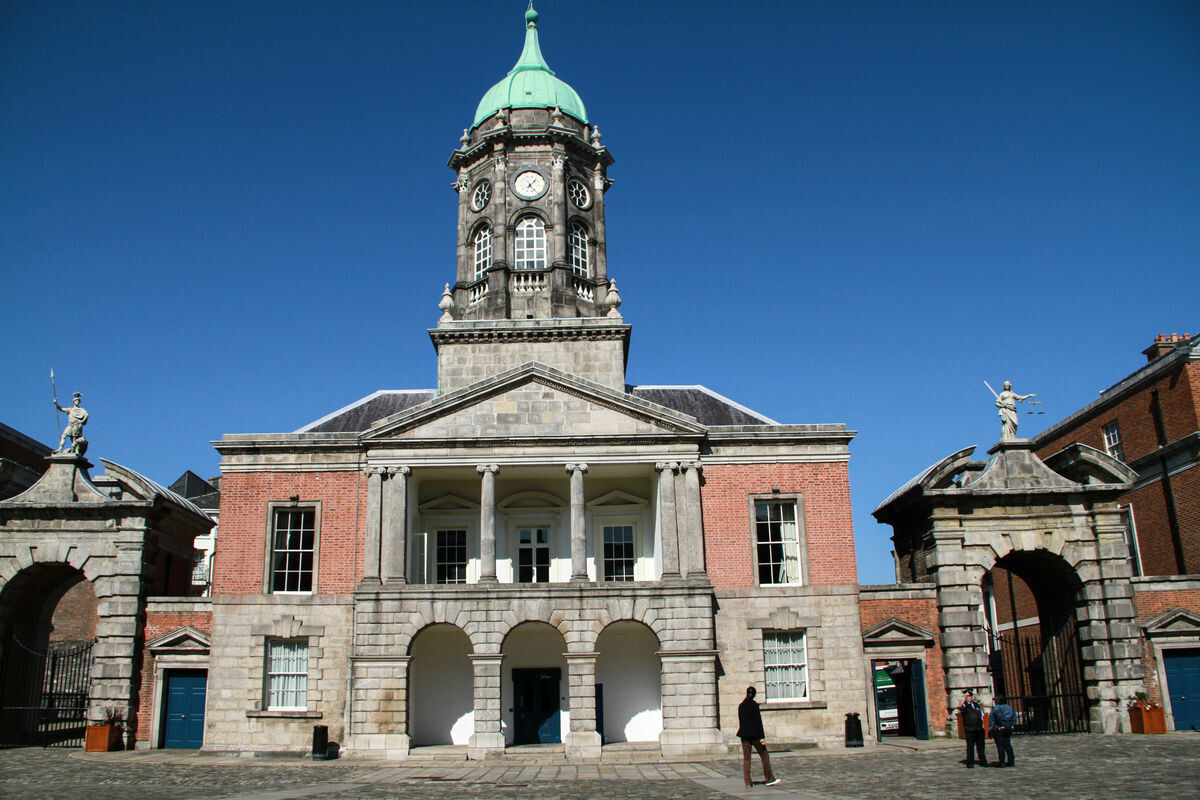
Dublin, Galway, Cork and Kilkenny combine history with vibrant modern life. Museums, architecture and regional traditions offer insights into cultural life.
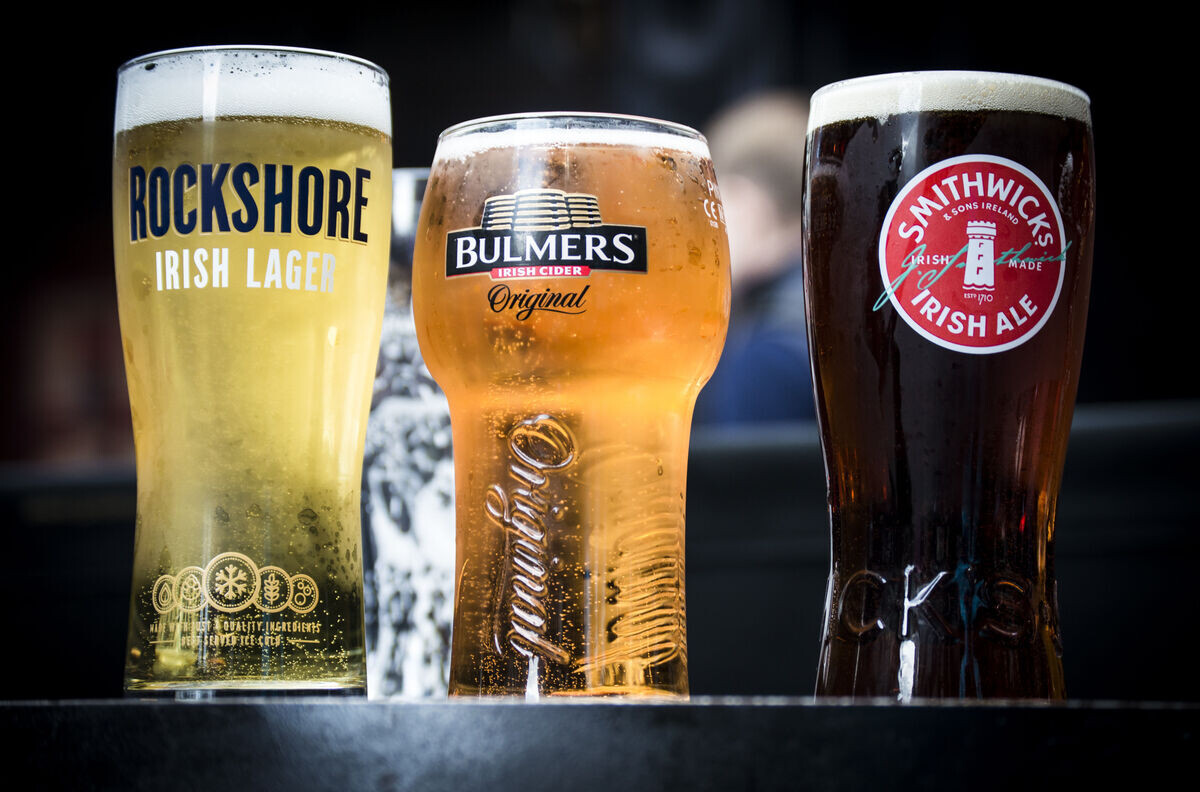
Regional ingredients, seafood, traditional dishes and modern dining shape Irish cuisine. Specific tastings or restaurant visits are only included if expressly mentioned in the tour description.
When to travel
The maritime climate brings changeable weather and green landscapes all year round. Spring through to autumn is particularly popular for touring holidays and coastal experiences; however, weather and visibility are never guaranteed.
| Travel experience | JJan | FFeb | MMar | AApr | MMay | JJun | JJul | AAug | SSep | OOct | NNov | DDec |
|---|---|---|---|---|---|---|---|---|---|---|---|---|
| Cities and culture | – | – | suitable | suitable | suitable | suitable | suitable | suitable | suitable | suitable | – | – |
| Atlantic coast and cliffs | – | – | – | – | suitable | suitable | suitable | suitable | suitable | – | – | – |
| Nature and walking | – | – | – | – | suitable | suitable | suitable | suitable | suitable | – | – | – |
| Gardens and spring landscapes | – | – | – | suitable | suitable | suitable | – | – | – | – | – | – |
| Touring holidays and landscapes | – | – | – | suitable | suitable | suitable | suitable | suitable | suitable | suitable | – | – |
| Music and culture | suitable | suitable | suitable | suitable | suitable | suitable | suitable | suitable | suitable | suitable | suitable | suitable |
| Autumn atmosphere | – | – | – | – | – | – | – | – | suitable | suitable | – | – |
Monthly overview for guidance only – no guarantee of opening times, climate, events or availability.
Useful information
Ireland combines impressive natural landscapes with a rich cultural and musical tradition. Lively cities, historic sites and the vast coastal regions along the Atlantic offer varied opportunities for shared travel experiences. The often changeable weather should be taken into account when planning the itinerary. Specific services depend on the travel package booked.
FAQ
Whether you are a club, company or group of friends: Ireland offers a wealth of opportunities to experience impressive coastlines, historic sites and vibrant culture together. Discover suitable travel offers and enquire about a group trip tailored to your wishes.
Enquire about a tailor-made group tourMore destinations
Neighbouring island comprising England, Scotland and Wales – part of the separate state of the United Kingdom.
Atlantic island with volcanoes, glaciers and waterfalls.
Cultural cities, Atlantic coastlines and wine regions.
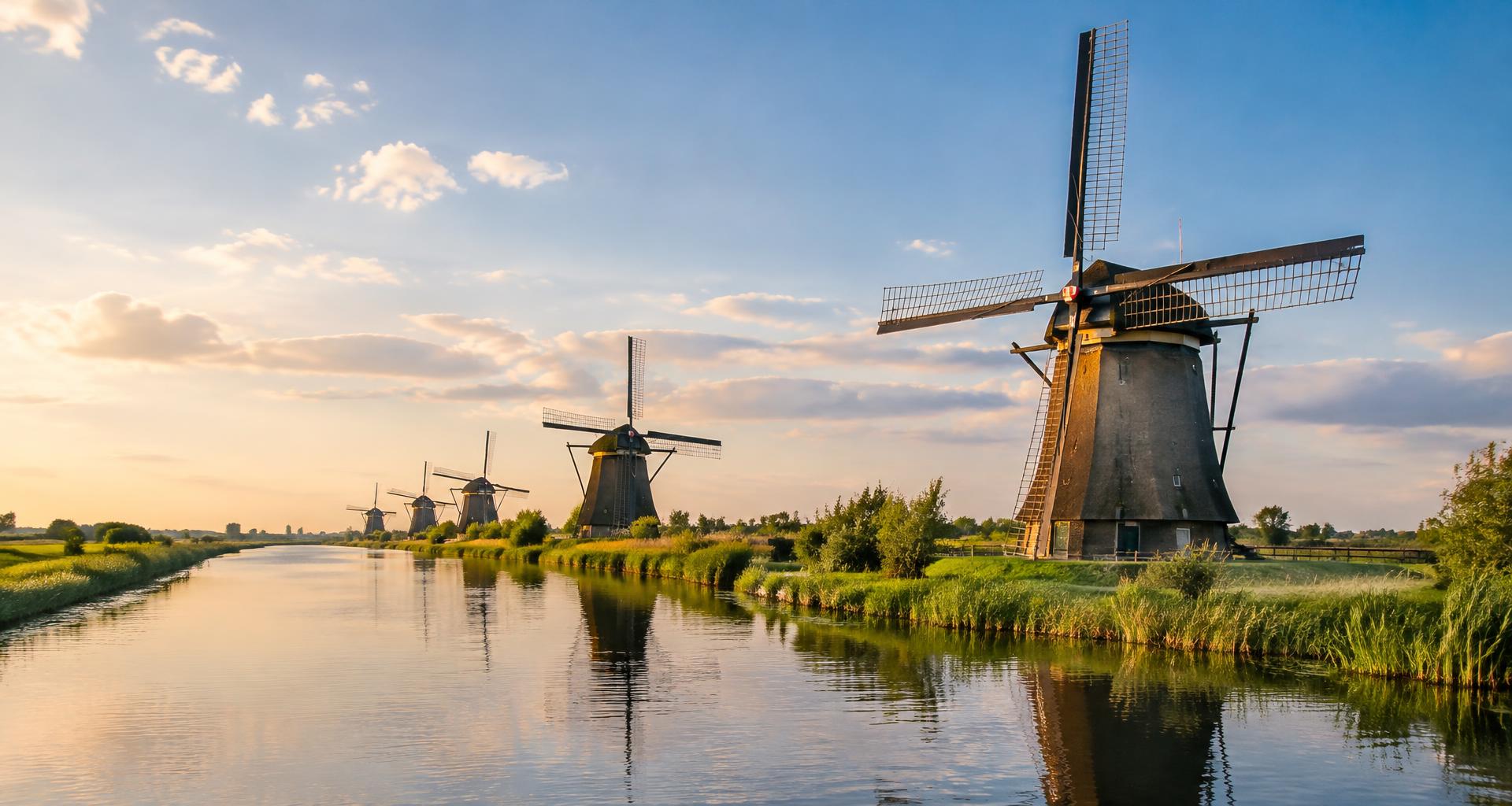
Canal cities, coastlines and floral landscapes.