Tour description
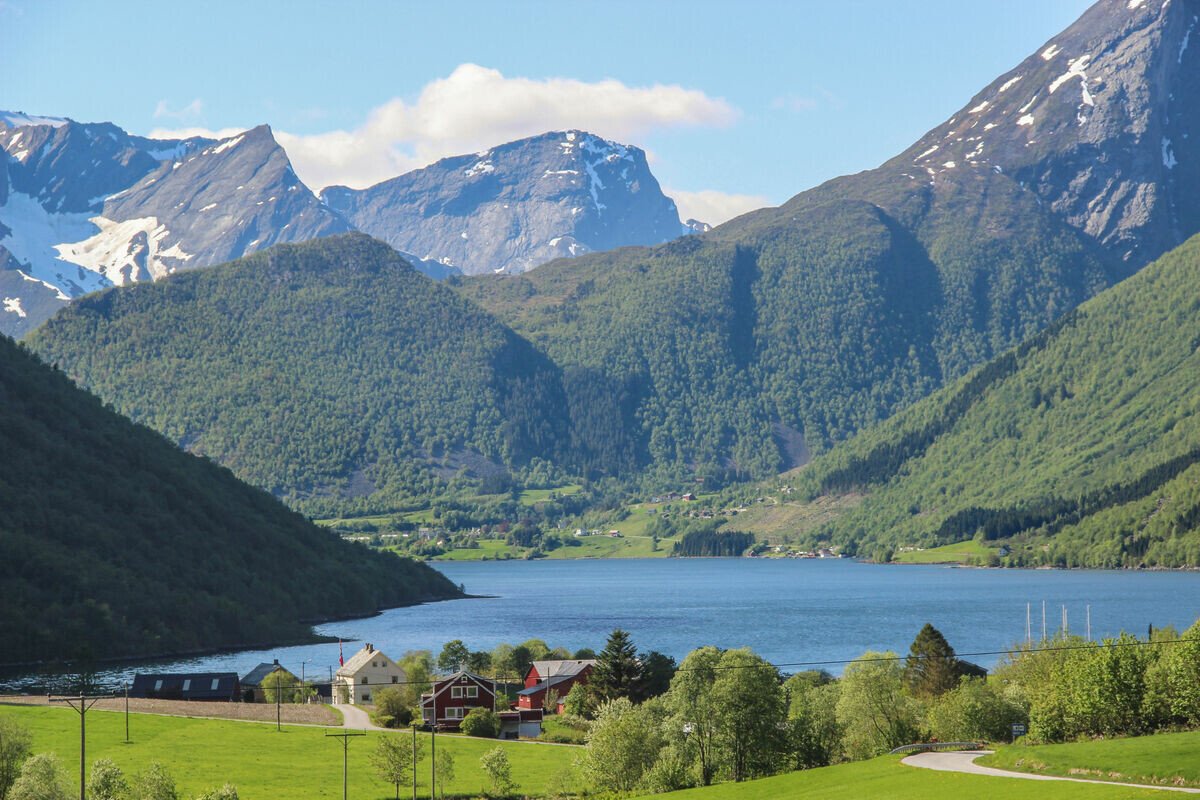
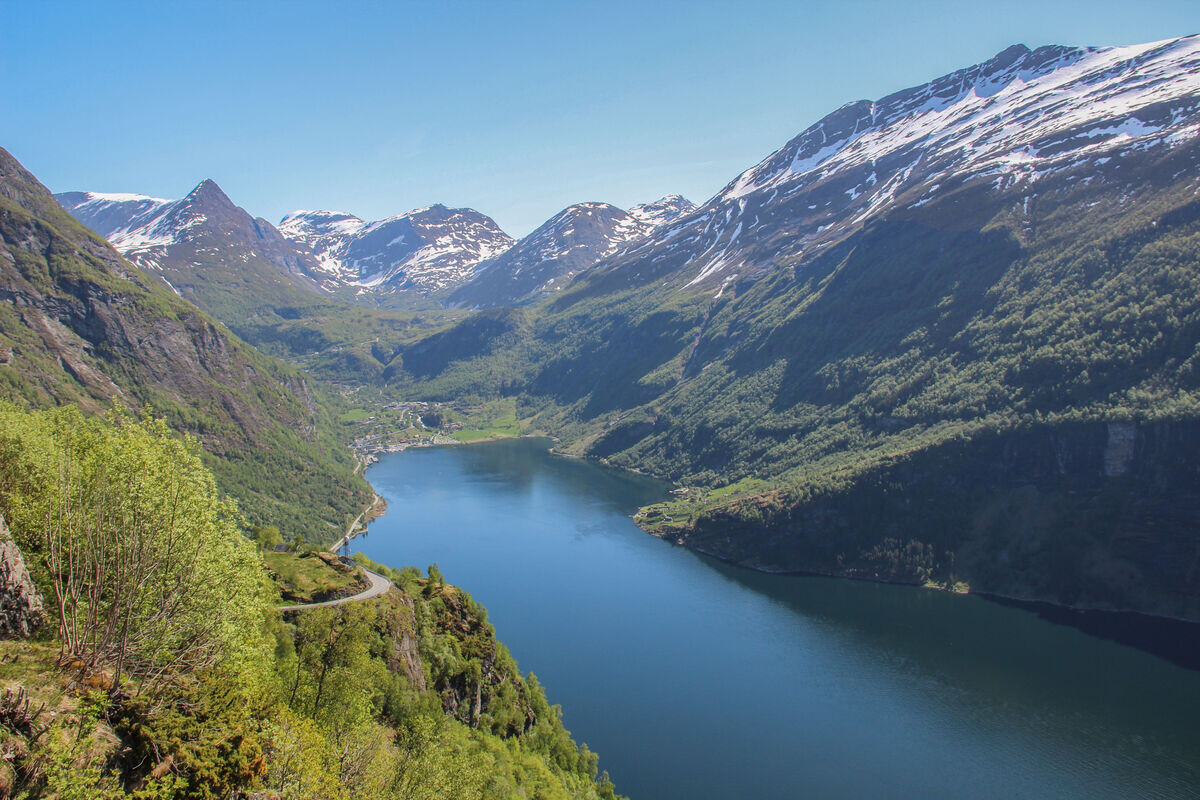
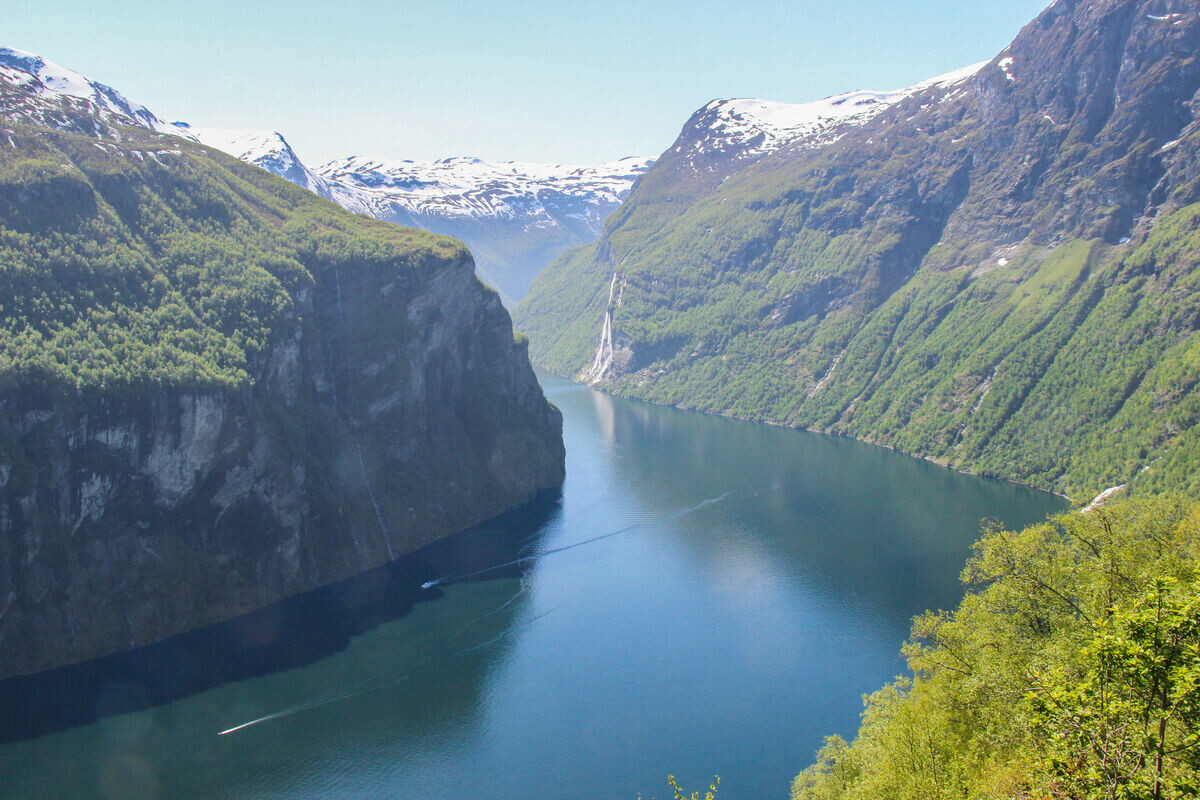
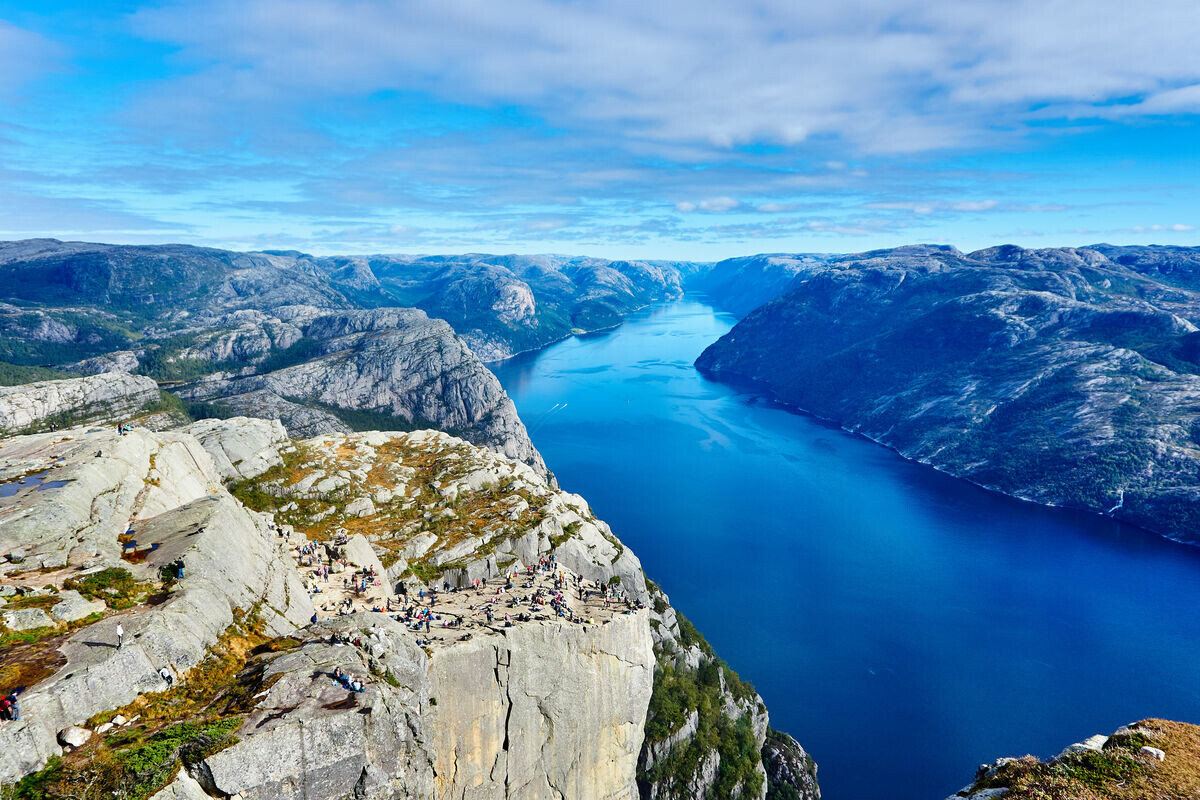
Off to the land of trolls and fjords! Norway means: breathtaking landscapes with towering mountains and majestic fjords – each with its own unique character. The Sognefjord, the country's deepest and longest fjord, stretches 204 kilometres from the Atlantic to the foot of the Jotunheimen massif! The Geirangerfjord may be comparatively short, but its scenery is all the more spectacular.
In Lofoten, mountains and fjords meet in spectacular fashion. The so-called Lofoten Wall rises steeply from the sea to over 1000 metres. There are thousands of photo opportunities here: crystal-clear water, white sandy beaches, fishing villages with little red wooden houses. Words can scarcely describe the beauty of these islands.
On the way south, it's time for "island hopping": Along the famous "Kystriksveien", you cross numerous fjords –by ferry, through tunnels and over bridges. There's never a dull moment on this trip!
Itinerary
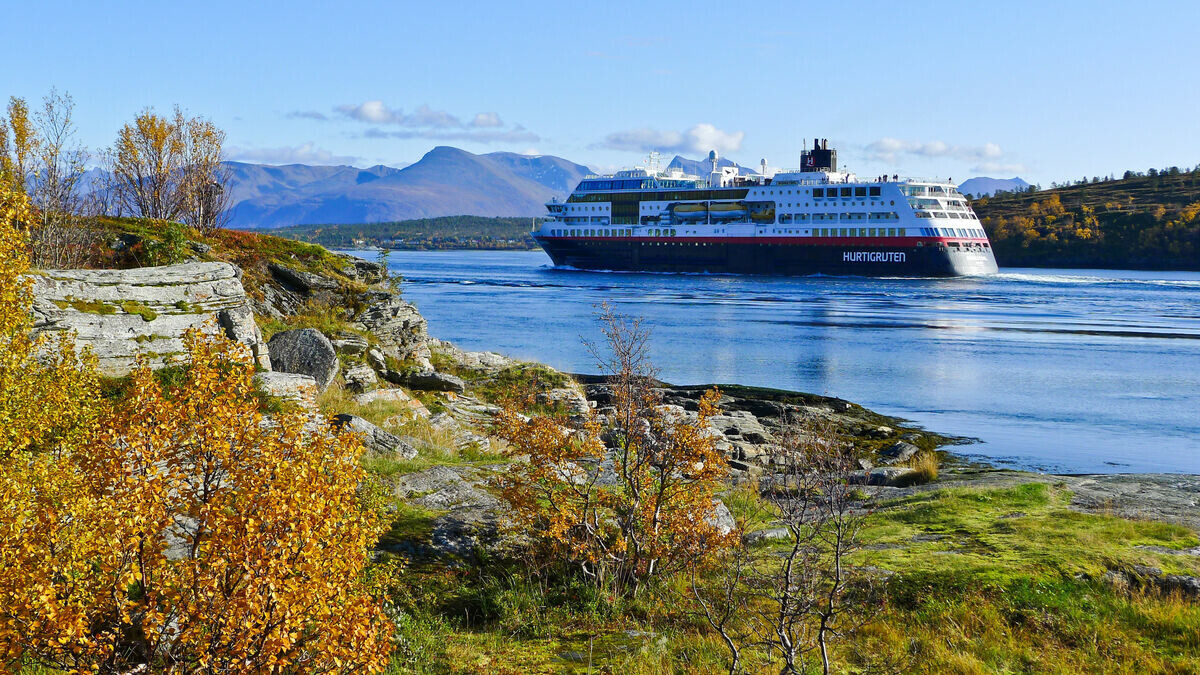
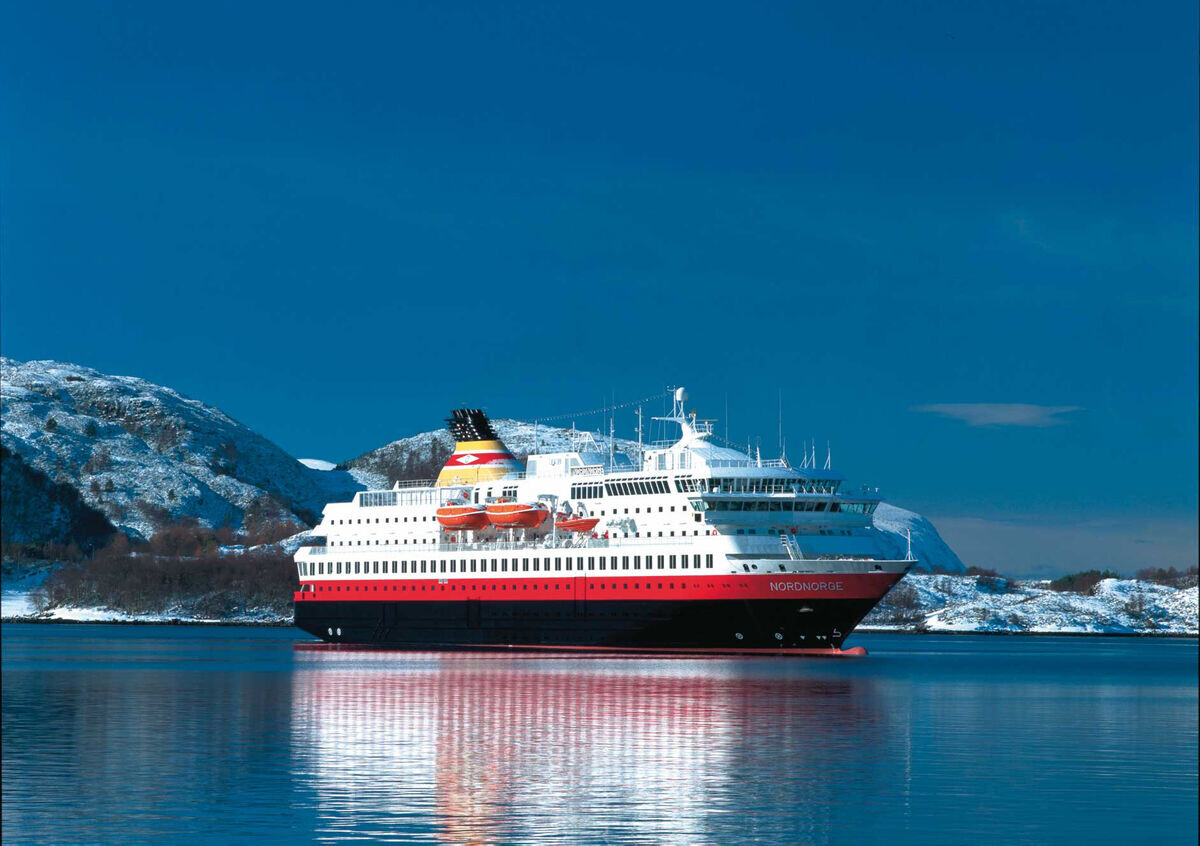
Travel to Kiel, where the Color Line ferry departs for Norway at 14.00. Enjoy the ship's comfortable facilities and extensive entertainment programme (Show Lounge at an extra charge), for example with a stroll along the 120m-long promenade with its shops, restaurant and cafés. As you sail through Kiel Fjord, there are lovely views of the coast.
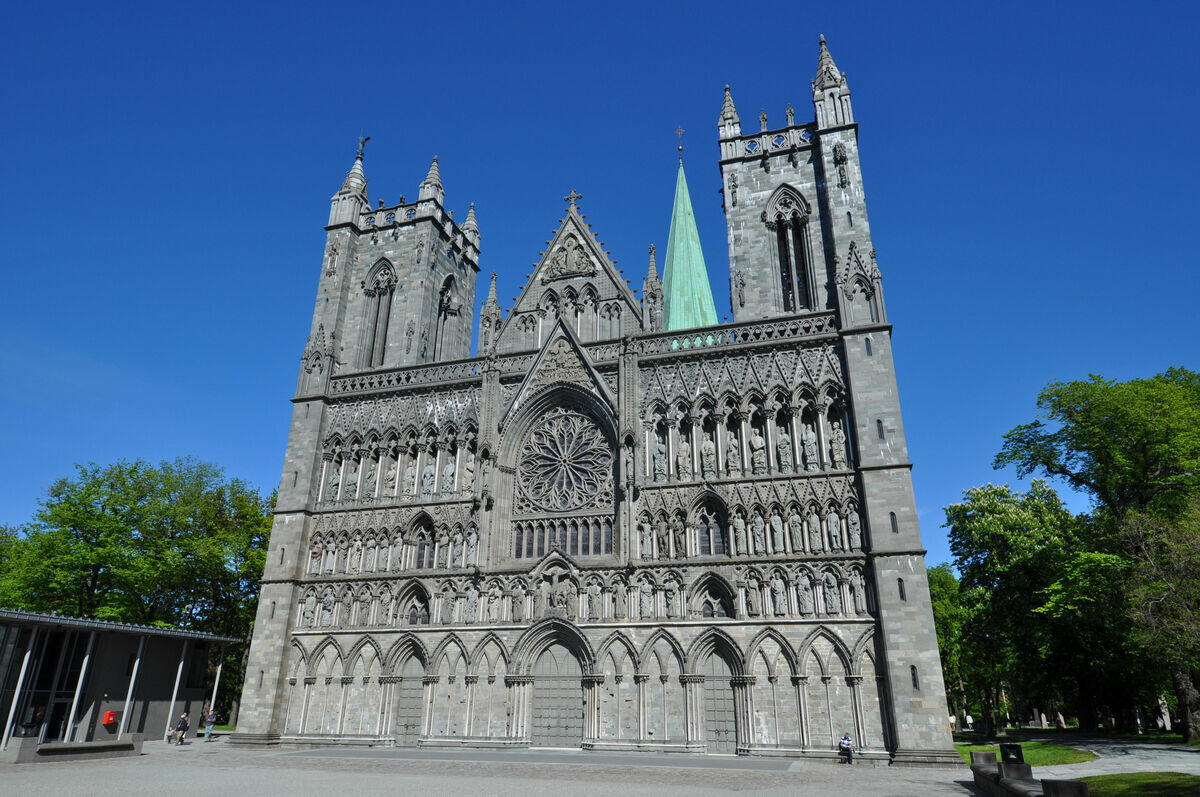
The ship docks in Oslo at 10.00. The Norwegian capital enjoys a beautiful setting on the Oslofjord, surrounded by dense forests. You continue north to Lake Mjøsa, the largest lake in the country. At its northern end lies the small town of Lillehammer, which became world-famous thanks to the 1994 Winter Olympics. Travelling through the Gudbrandsdal valley and past the mountains of the Rondane massif, you continue into the remote expanses of Dovrefjell. This is one of the few regions in the world where musk oxen live. You reach Trondheim via the valley of the rushing River Driva. The university city's landmark is the famous Nidaros Cathedral – the coronation church of Norway's kings and a national shrine. The colourful warehouses along the River Nidelva and the Bybrua bridge also make lovely photo opportunities.
Regions steeped in history lie along your route north. The famous Battle of Stiklestad took place near Verdal in 1030. The Steinkjer area is home to numerous rock carvings dating back thousands of years, including the famous life-size reindeer "Bolareinen". You also pass one of Europe's longest salmon ladders. Continue through deep forests to Mosjøen. This port town on the Vefsnfjord has charming wooden houses, some built on stilts, which now house studios, restaurants and cafés. Today's destination is the port town of Mo i Rana on the Ranafjord. Stroll along the fjord promenade past the old wooden houses of Moholmen and the sculpture "Havmannen" (The Man in the Sea), which stands in the water.
Today you cross the Arctic Circle on the remote Saltfjellet plateau. Here you can take a break at the Arctic Circle Centre (Polarsirkelsenteret) (optional film and certificate). Continue via Fauske, known for its marble quarries, to Bognes. On the ferry crossing over the Vestfjord to Lødingen (payable locally by credit card or toll tag), you can admire the beautiful coastal scenery from the water. Continue via the island of Hinnøya to Lofoten. The archipelago's scenery is wonderfully varied: Soaring mountains, white beaches and picturesque fishing villages make Lofoten one of the most beautiful destinations in the world!
Today you will experience the breathtaking beauty of the Lofoten Islands. We will be happy to book a guided tour and/or a boat trip for you at an additional charge. Svolvær is the economic and cultural centre of the Lofoten Islands. The little villages with their colourful fishermen's cabins on the west coast of the island chain are a must-see. Reine, one of the most beautiful villages, is spread across several islands in a breathtaking landscape of rugged mountains. There are also several museums worth visiting in the Lofoten Islands, e.g. the Stockfish Museum (payment now only possible on site) in the old fishing village of Å, at the southern tip of the islands. Here you can learn fascinating facts about the vital importance of the Lofoten fishing industry to the region.
In the morning, enjoy another view of the striking rock formations of the Lofoten Islands as you travel to the southernmost port. From Moskenes, take a ferry to Bodø on the mainland, a crossing of approx. 4 hours. In the bustling harbour, you can see fishing boats of all sizes, merchant ships and ferries arriving, and numerous leisure boats cruising past. Bodø is one of the largest towns in Northern Norway and the administrative centre of Nordland county. Bodø enjoys a spectacular setting: Jagged mountains rise from the sea, often remaining snow-covered well into summer. One of the attractions is the Norwegian Aviation Museum, built in the shape of a propeller. Incidentally, the area around Bodø is home to one of the largest populations of white-tailed eagles in the world.
Experience another highlight of your journey today – a stretch of the famous Rv17 road (Kystriksveien): This scenic road, approximately 640km long in total, runs between Bodø and Steinkjer and is characterised by spectacular fjord scenery, numerous islands, imposing mountains and pretty villages. A large part of the route (between Holm and Godøystraumen) is designated as the National Scenic Route "Helgelandskysten". On your way to Sandnessjøen, you will see Saltstraumen, the world's strongest tidal current (particularly impressive as the tide turns), pass Norway's second-largest glacier, Svartisen, and cross three fjords. During the ferry crossing from Jektvik to Kilboghamn (payable locally by credit card or via a toll tag), you will cross the Arctic Circle once again. It is marked by a large metal globe on the shore. The town of Sandnessjøen is known for the mountain range "The Seven Sisters" – according to legend, seven maidens who turned to stone at sunrise after being pursued by the king's son Hestmannen.
The coastal road continues south. Along the way, you cross several fjords by ferry (payable locally by credit card or, where available, via the toll tag). Brønnøysund enjoys a beautiful setting amid the islands and mountains of the Helgeland region. A little further southwest, on the island of Torget, lies the famous Mount Torghatten. It has a distinctive shape: In its centre is a hole approximately 35m high and around 160m long! You also pass through the port town of Namsos, one of central Norway's most important trading centres, before finally returning to Trondheim. Take a stroll through Bakklandet, a neighbourhood of wooden houses. Above it stands Kristiansten Fortress, which dates from the 17 century. From here, you can enjoy lovely views of the city.
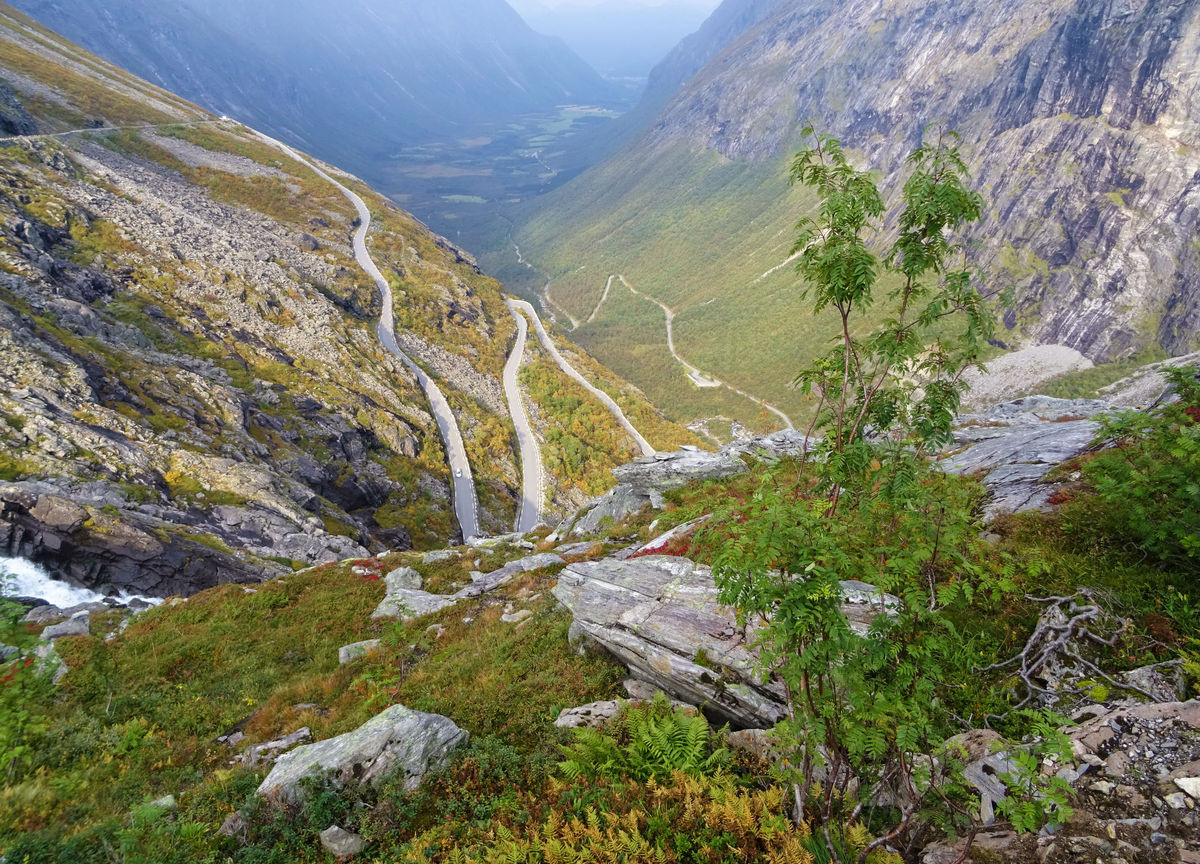
Today brings one of the highlights of your trip: The thrilling Trollstigen mountain road winds its way up the mountainside in steep hairpin bends, passing the mighty, 180m-high Stigfossen waterfall. From the spectacular viewpoint "floating" above the slope near the top of the pass (850m), you have fantastic views of the valley and the surrounding mountains. Up here there is also a modern café surrounded by imaginatively designed water features. Now you head downhill again, through magnificent mountain scenery to the Gudbrandsjuvet gorge. Here it is worth stopping to watch the rushing waters of the River Valldöla. After a short ferry crossing from Linge to Eidsdal (payable locally by credit card or via the toll tag) and a drive along the scenic Eagle Road, you reach Geiranger. The Geirangerfjord is one of the country's greatest natural wonders. With its towering waterfalls and often snow-covered peaks, it is even a UNESCO World Heritage Site! Afterwards, you experience the magnificent mountain scenery south of Geiranger. Take a detour up Dalsnibba, which rises to just under 1500m (road toll): From here you have fantastic views of peaks, glaciers and the fjord far below. From the "Geiranger Skywalk", which projects out over the slope, the brave can even look straight down! Continue to Grotli.
Continue to the picturesque Nordfjord and via Skei to the narrow Fjærlandsfjord. Take a short walk to the Bøyabreen glacier, which sits photogenically on a rocky slope. It is an arm of Jostedalsbreen, the largest glacier in mainland Europe. The small village of Fjærland is known as a "book town": In numerous buildings and on shelves dotted throughout the village, you can browse and buy over 150.000 second-hand books, including many in German! In Fjærland, you can also visit the Glacier Museum (optional) and enjoy the fascinating exhibitions (including displays on climate change) as well as an impressive nature film. Travelling through long tunnels and the idyllic scenery around Lake Dalavatnet, you reach the Sognefjord. At over 200km long, it is one of the longest fjords in the world and one of the country's greatest natural attractions.
A short ferry crossing over the Sognefjord to Fodnes is on the programme this morning (payable locally by credit card or toll tag). Nearby lies Lærdal – known for its many charming, listed wooden houses. You will soon reach Borgund Stave Church, one of the best-preserved and most beautiful stave churches in the country. The visitor centre features exhibitions on stave churches and also has a café. The journey continues uphill along an impressive series of hairpin bends into the mountain plateau landscape around Lake Eldrevatn. After the highest point of the route at 1.137 m, the road descends into the Hemsedal valley, passing the photogenic Rjukandefoss waterfall, which can be reached via a short footpath. Further along the route, you will see the winter sports resorts of Hemsedal and Gol, the green Hallingdal valley and the large Lake Tyrifjorden. Finally, you will reach the Norwegian capital.
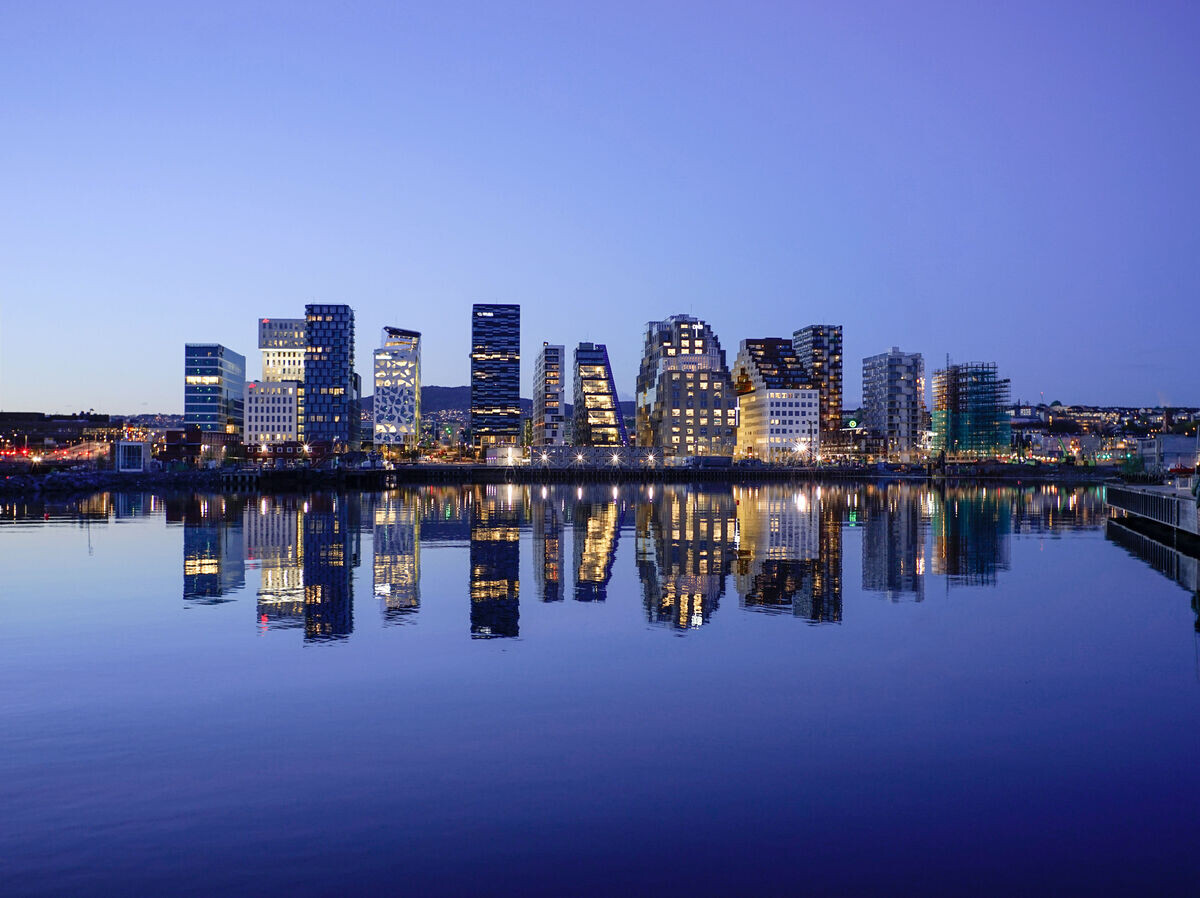
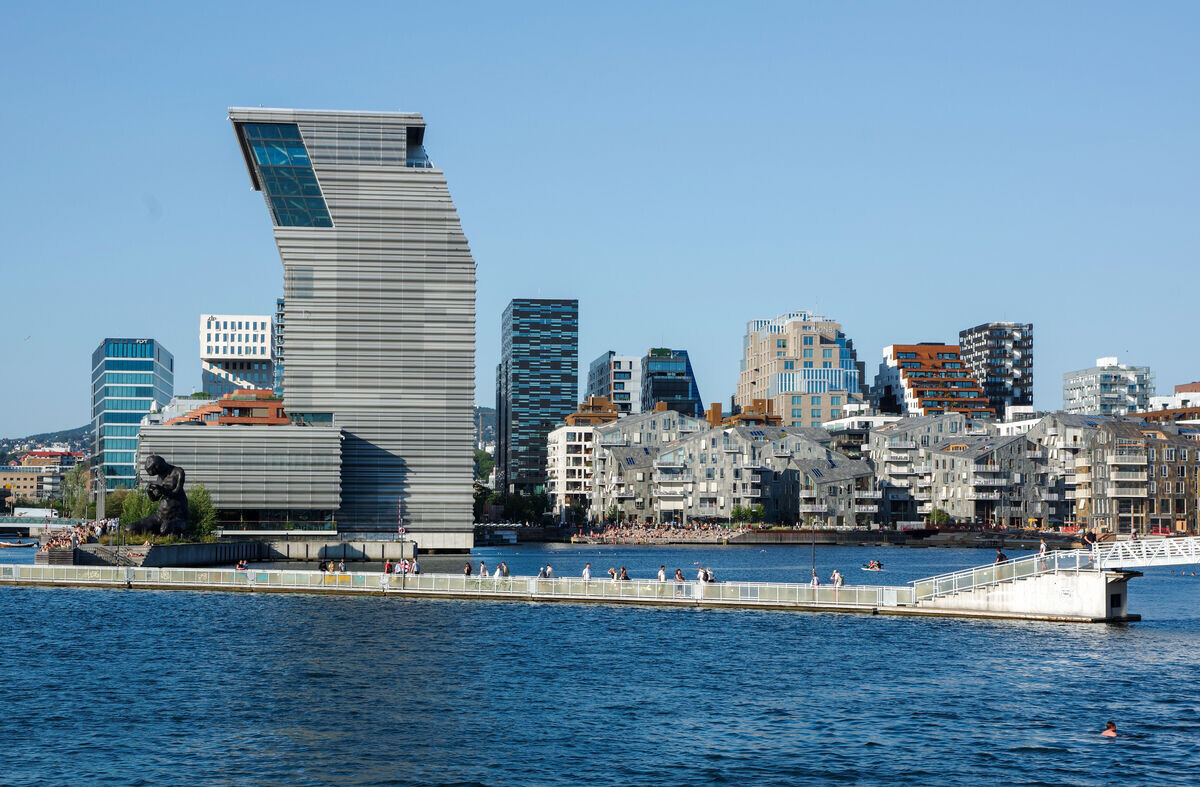
On a guided tour of Oslo, you will see sights including the Royal Palace, the spectacular Opera House and the impressive new skyline, known as "Barcode". You then travel south and cross the border into Sweden via the Svinesund Bridge. Continuing parallel to the west coast, you reach Gothenburg. Sweden's second-largest city has the largest export port in Northern Europe. You are expected at the ferry terminal in the late afternoon. The Stena Line ferry takes you comfortably to Kiel overnight. On board, facilities include restaurants and bars, a casino, the Stena-Shop, a cinema and a nightclub.
Before your trip comes to an end, enjoy one more delicious Scandinavian breakfast. Arrival in Kiel at around 09.15, before setting off on the final leg of your journey home.
Driving hours:
We recommend sending a second driver to Kiel to take over.
Our tip:
How about an optional boat trip from Svolvaer into the Trollfjord, one of Norway's best-known fjords? Its entrance from the Raftsund, just 100m wide, the steep mountainsides and the deep blue water make this trip a special experience.
Enhance your trip with an even more comfortable return journey: From Oslo, you can sail directly to Kiel on a comfortable Color Line ferry (supplement applies). This would also give you a little more time in the Norwegian capital. We would be happy to prepare a suitable quote for you.
Important:
Please note that the package price only applies on certain departure days, which vary depending on the season. We would be happy to advise you on a good-value departure date. Recommended departure days are Thursday and Sunday, with Wednesday also available until mid-June and from mid-August.
Included services
- Ferry crossings:
- Kiel – Oslo for coach and passengers
- Gothenburg – Kiel for coach and passengers
- 2 x buffet breakfast on board
- Accommodation in 2-berth cabins
- Moskenes – Bodø
- 2 x overnight stay including buffet breakfast
- 8 x overnight stay with half board
- Half board with a 3-course evening meal or buffet
- Good mid-range and upper mid-range hotels in the SRG classification
- 1 x 2 hr. guided city tour of Oslo
- 1 x Nordic traveller certificate for each guest (on request)
When to travel
When is the best time to visit Norway?
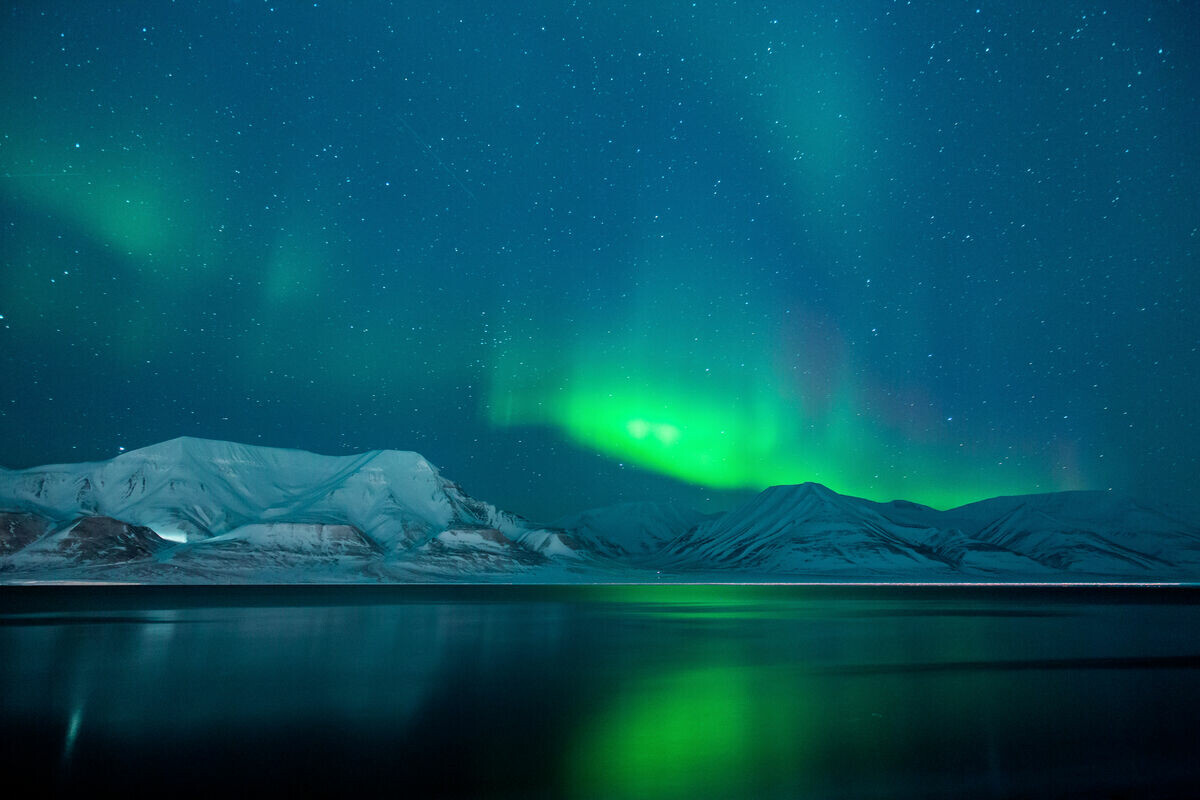
Norway is appealing all year round, but climate and daylight vary considerably between the south, the fjord region and the Arctic north. The summer months are often ideal for touring holidays and fjord scenery; the darker months in the north offer opportunities to see the Northern Lights.
| Travel experience | JJan | FFeb | MMar | AApr | MMay | JJun | JJul | AAug | SSep | OOct | NNov | DDec |
|---|---|---|---|---|---|---|---|---|---|---|---|---|
| Fjord and scenic tours | – | – | – | – | suitable | suitable | suitable | suitable | suitable | – | – | – |
| Cities and culture | – | – | – | – | suitable | suitable | suitable | suitable | suitable | – | – | – |
| Coasts and the Lofoten Islands | – | – | – | – | – | suitable | suitable | suitable | suitable | – | – | – |
| Midnight sun in northern Norway | – | – | – | – | suitable | suitable | suitable | – | – | – | – | – |
| Northern Lights in northern Norway | suitable | suitable | suitable | – | – | – | – | – | suitable | suitable | suitable | suitable |
| Winter experiences in northern Norway | suitable | suitable | suitable | – | – | – | – | – | – | – | – | suitable |
| Alpine hikes | – | – | – | – | – | suitable | suitable | suitable | suitable | – | – | – |
For guidance only, with no guarantee of weather, dates or availability. Midnight sun from around late May to mid-July, depending on location; Northern Lights sightings are not guaranteed. Alpine hikes and accessibility depend on altitude, weather and local conditions. Find out more about Norway