Tour description
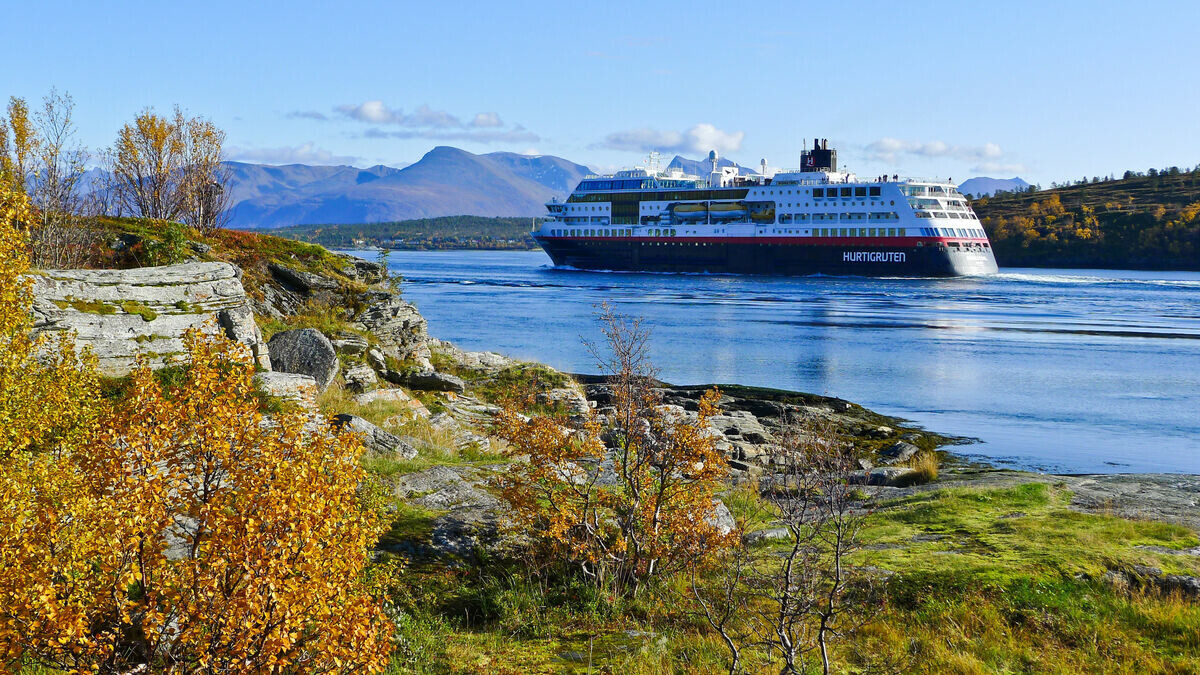
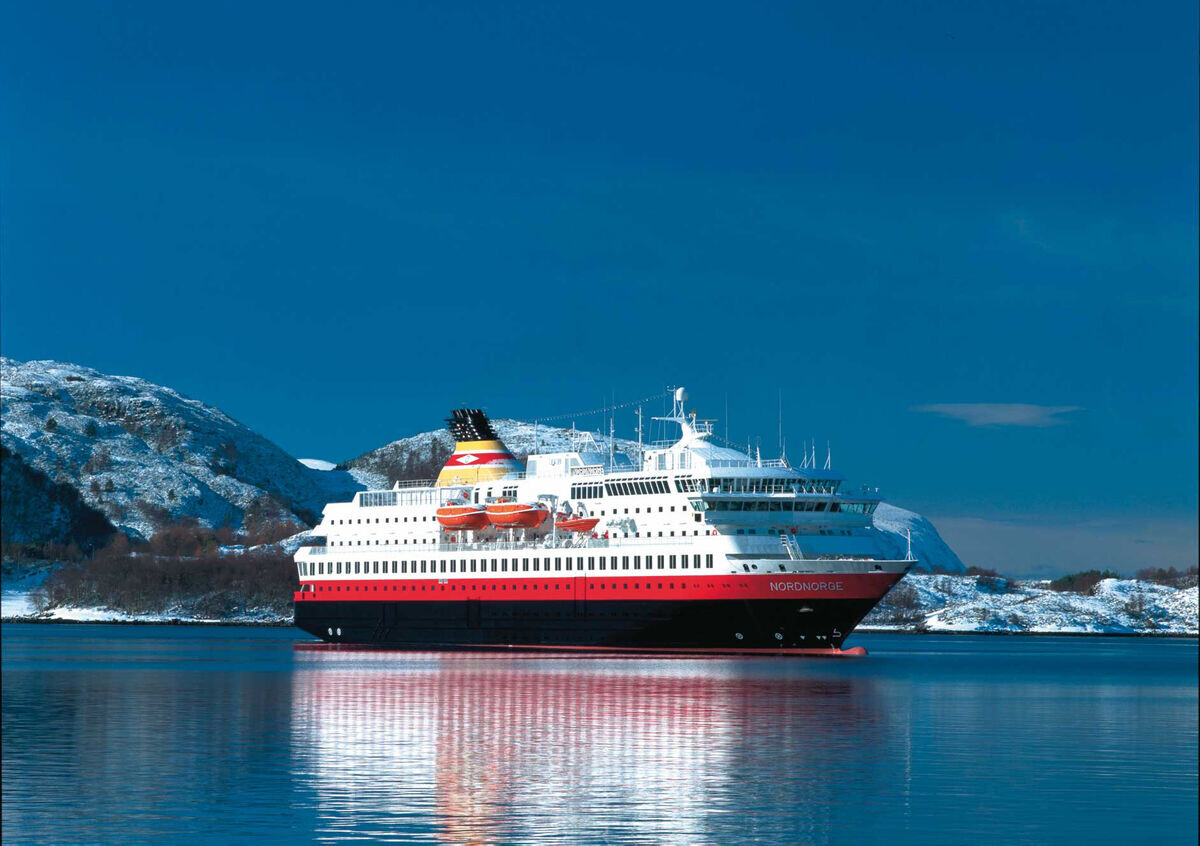
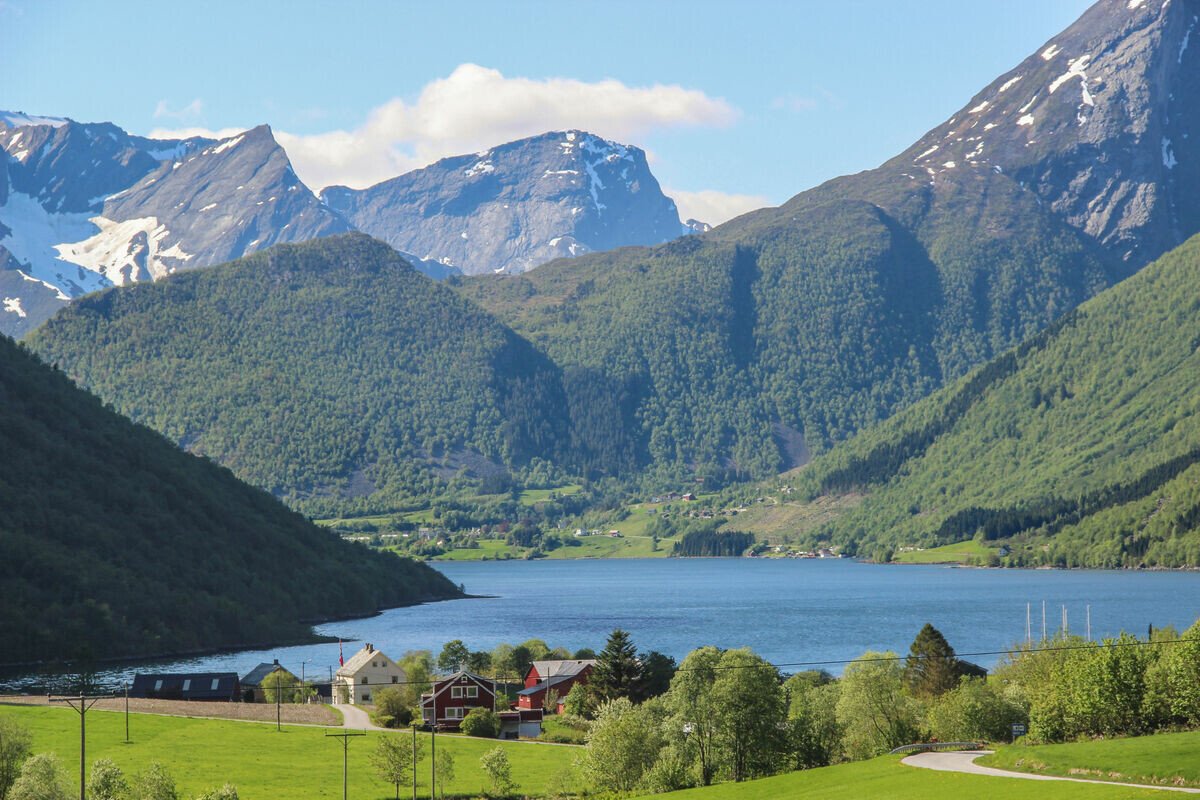
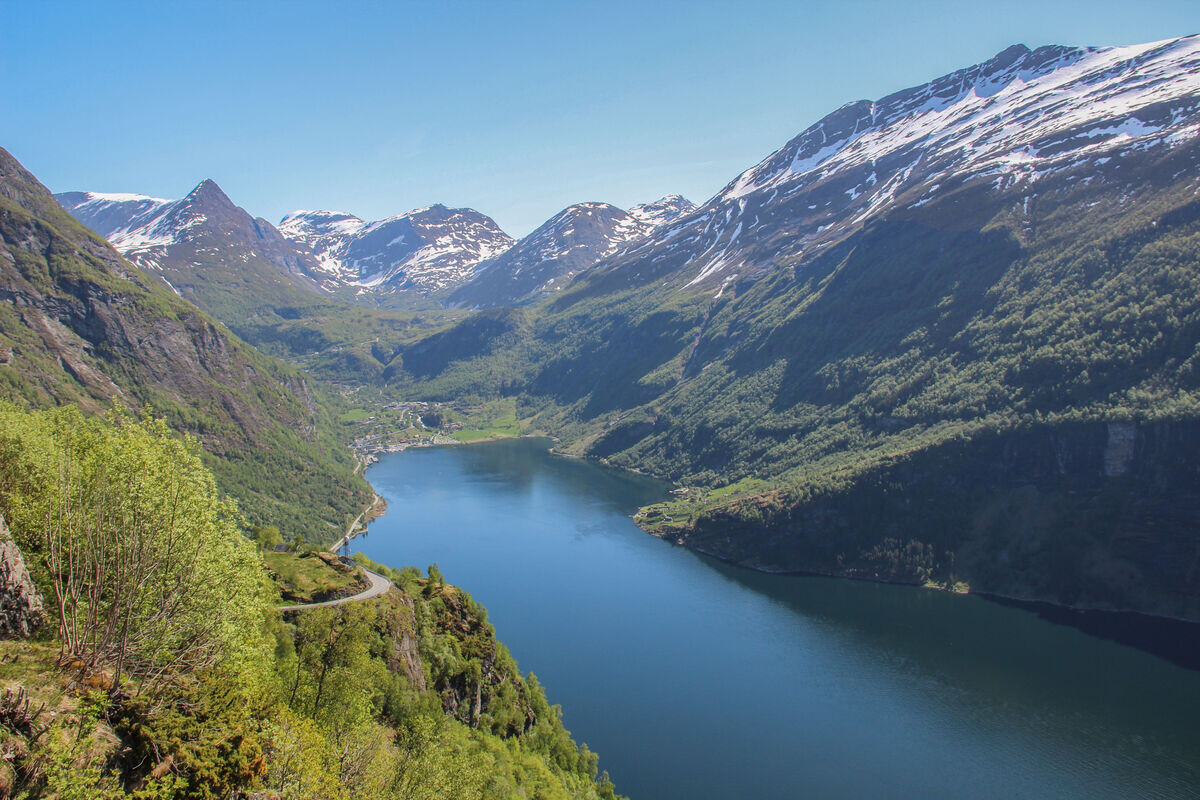
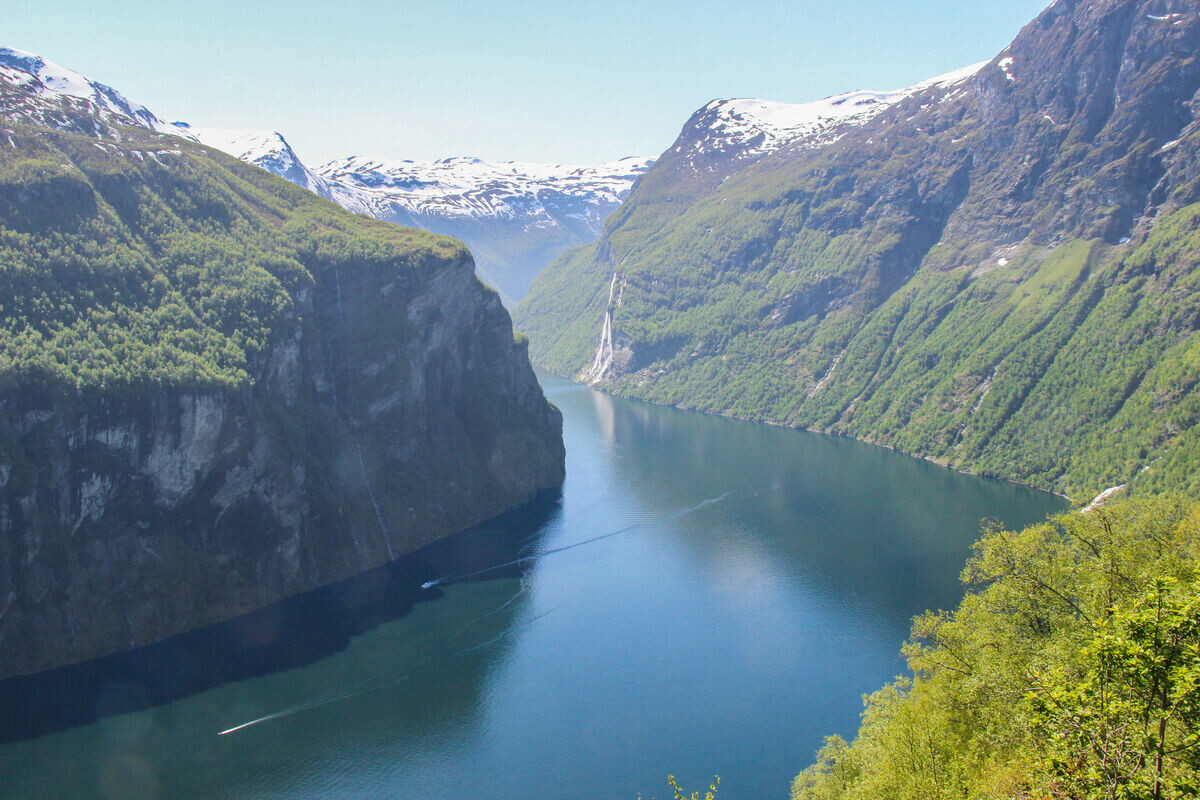
A journey along Norway’s magnificent west coast, with its countless islands, fjords and snow-covered mountains, is an unforgettable experience even in winter! Although the days in the far north are short, the changing light creates a special atmosphere: the pastel-coloured twilight, the coastal towns brightly lit, especially during Advent, and – with a little luck – the magical Northern Lights. In winter, optional shore excursions also offer exciting activities, from snowshoe walks to dog sledding.
On the new Havila ships, you travel in comfort and enjoy a relaxed atmosphere: cabins and public areas feature modern Scandinavian design. Large panoramic windows offer sweeping views of the coast and the starry sky. On the southbound route from Kirkenes, the different docking times allow you to experience other towns and landscapes.
Itinerary
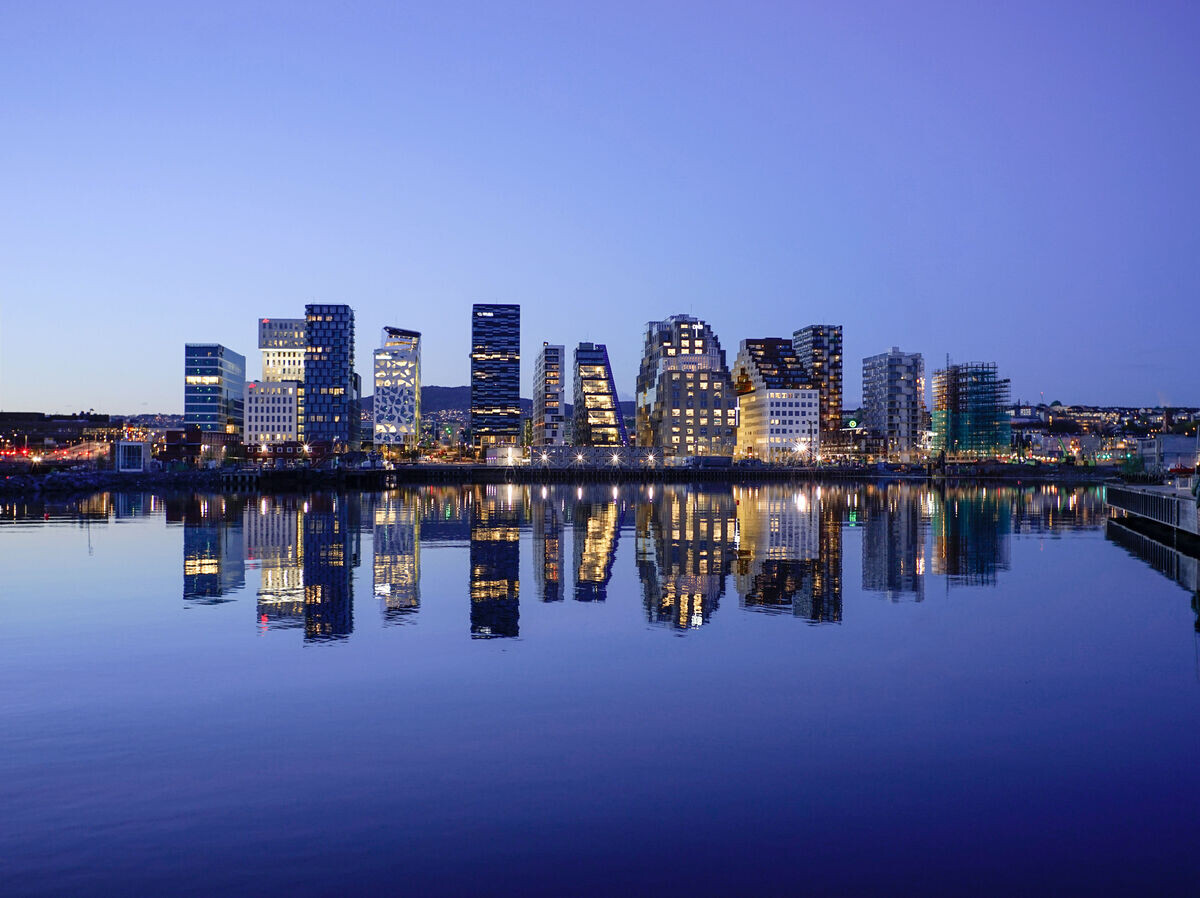
Fly to Bergen, Norway's second-largest and perhaps most beautiful city. It enjoys a picturesque setting on the bays of the Byfjord. Bergen's main attraction is the old quarter of Bryggen. From the 14th to the 18th century, stockfish, beer and salt were the main goods traded here at the Hanseatic trading post, and today Bryggen is a UNESCO World Heritage Site.
Check-in at the Havila Kystruten terminal is available from 16.00, with access to your cabins from around 18. At 20.30, it's "Cast off!" as you begin your voyage along the Norwegian west coast on the coastal mail boat route. Magnificent landscapes with towering mountains, countless islands and fjords alternate with picturesque coastal towns and bustling harbours. All the while, you can enjoy the comfort of the new, modern Havila ship.
On its way north, the ship passes numerous islands, the „entrance“ to the approximately 200km-long Sognefjord, Norway’s longest fjord, and Holmengra lighthouse. Passing Florø, Norway’s westernmost town, you continue to Ålesund, where you dock in the morning. The town has one of Norway’s most important fishing and export ports and Art Nouveau architecture unique in Northern Europe, built following a major fire in 1904. Highlights include the beautiful Art Nouveau buildings in the centre and the views over the town and the sea from Mount Aksla. The ship then continues north to Molde, known for the Molde Panorama from Mount Varden – a view of more than 200 mountain peaks.
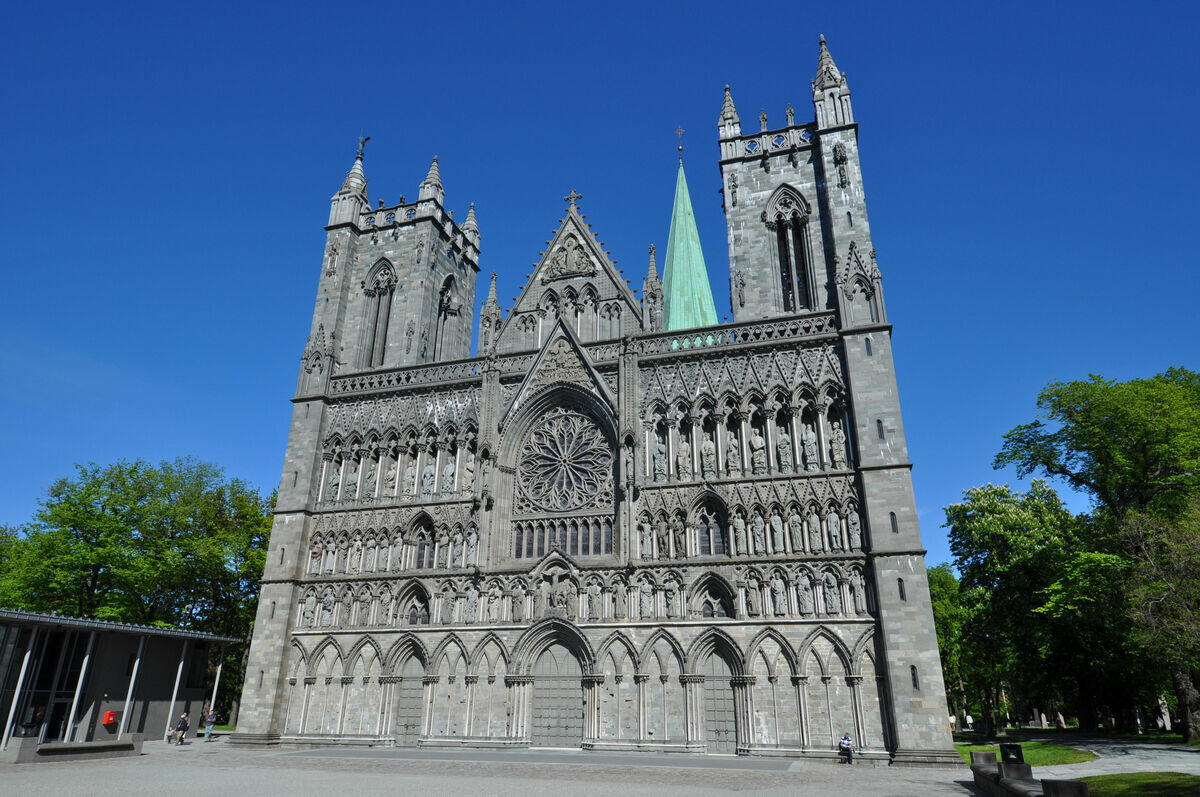
In the morning, your ship docks in the university city of Trondheim. The most important sight here is Nidaros Cathedral – the largest religious building in Scandinavia. It is the coronation church of Norway's monarchs and a national shrine. Other attractions include the Archbishop's Palace, which now houses a museum, and Stiftsgården, built in the 18th century. This large wooden building, plain on the outside, has 100 rooms with lavish furnishings. The colourful warehouses along the River Nidelva and Bybrua bridge are also popular photo subjects. In the afternoon, the ship continues north, passing the pretty Kjeungskjær lighthouse and sailing through the narrow Stokksund strait.
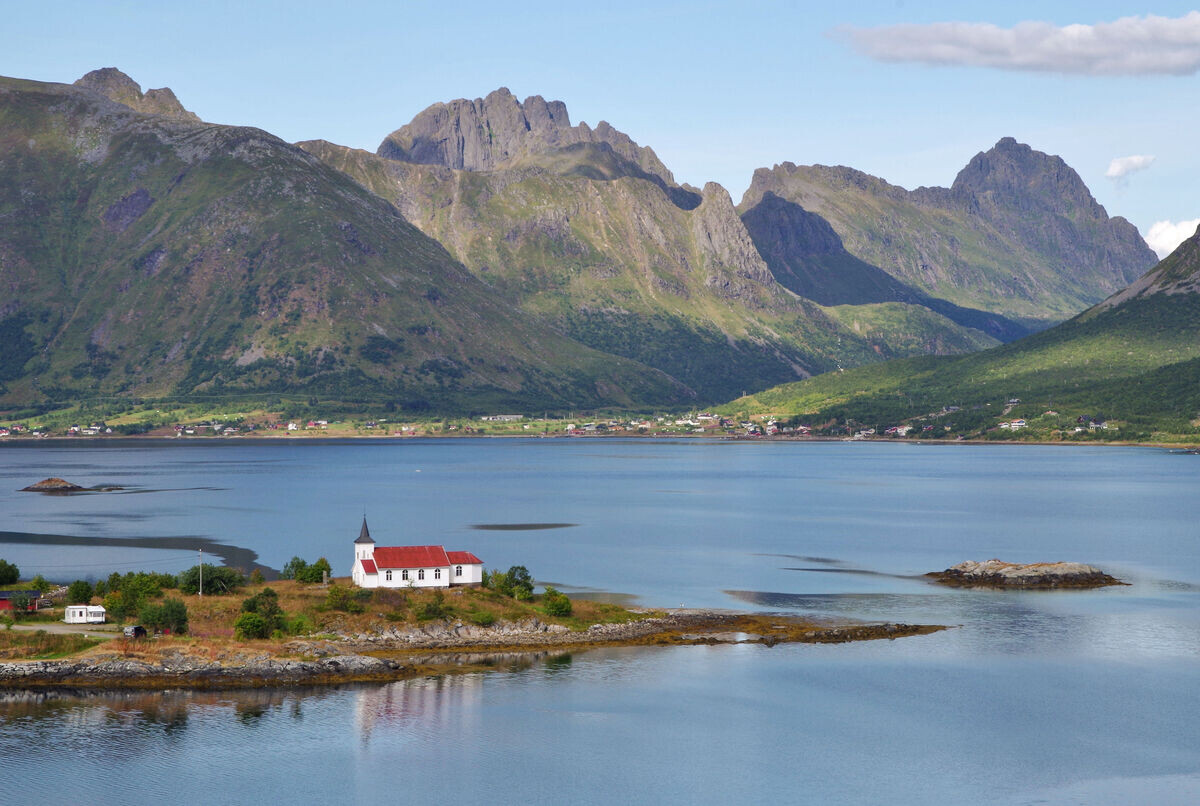
Early in the morning, you cross the Arctic Circle. The route continues past beautiful islands to Bodø – known as the city of sea eagles. In the evening, you reach the Lofoten Islands, with their high mountains rising steeply from the sea. The jagged mountain ridge along the island chain is also known as the "Lofoten Wall". With its unique landscape and picturesque fishing villages, the archipelago is one of Europe's most beautiful travel destinations. Svolvær, the main town in Lofoten, enjoys a picturesque setting on the island of Austvågøya, overlooked by the 569m-high mountain Svolværgeita (= Svolvær Goat), named after its two rocky horns.
During the night, the journey continues past the Vesterålen islands, with short stops in Stokmarknes, Sortland and Risøyhamn. In the morning, the ship reaches Harstad and Finnsnes, before finally arriving in Tromsø in the early afternoon. Here you have a longer stay. This university city is known as the "Gateway to the Arctic”, as numerous Arctic expeditions set off from here. The university is, incidentally, the northernmost in the world! Sights worth seeing in Tromsø include the Arctic Cathedral and the Polar Museum, which offers fascinating insights into the polar expeditions of Amundsen and Nansen. You can take the cable car up Storsteinen, the city's local mountain, and enjoy the beautiful views over the city. Tromsø is also home to the world's northernmost brewery.
After a brief stop in Hammerfest early in the morning, you continue to Magerøya, the island home to the North Cape. The ship docks in the main town of Honningsvåg late in the morning. Here you can take a shore excursion to the North Cape lasting approx. 3 hours (at an additional charge). You will see the rocky plateau rising steeply some 300m above the Arctic Ocean and the North Cape Hall, which is built partly underground into the rock. Inside, you will find a viewing platform, an exhibition on the history of the North Cape, a restaurant with fantastic views and a bar, among other attractions. At the post office, you can buy stamps and a North Cape certificate and receive a special North Cape postmark. A spectacular film on a panoramic screen also takes you on a journey through the four seasons. The ship then continues north into the heartland of the Sami. You pass their sacred site, the Finnkirka rock formation, before reaching the fishing village of Kjøllefjord. On an excursion (optional), you can explore the wonderful scenery and learn fascinating facts about Sami culture and their way of life. You will also listen to joik, their powerful traditional singing.
The views of the coast become more dramatic as you approach Kirkenes. Early in the morning you reach Vadsø, followed shortly after breakfast by Kirkenes at 30° East – further east than Istanbul and St Petersburg. Kirkenes is known as the "Gateway to the East". With the Russian border just a few kilometres away, the road signs are written in Norwegian and Russian. Kirkenes has several small museums showcasing the remarkably rich history and heritage of this remote region. From Kirkenes, the ship now heads back south. Enjoy the views of the Arctic landscape from the deck or the panoramic lounge. In the afternoon, the ship calls once more at Vardø, Norway's easternmost port. Continuing south, you pass the Varanger Peninsula and reach Berlevåg. This is home to one of Norway's most famous male voice choirs.
Today you will learn some fascinating facts about the island of Melkøya – known for the world's northernmost gas terminal. The ship then docks in Hammerfest, which promotes itself with the slogan „the world's northernmost town“. The Meridian Column was erected to commemorate the survey of the Scandinavian-Russian meridian arc, which was completed in Hammerfest in 1852. The so-called Struve Arc was one of the most precise geodetic surveys of its time. As well as its significance for geodesy, it is an early example of international scientific cooperation and is a UNESCO World Heritage Site. Continue south past Øksfjord to Skjervøy, an old trading post and the birthplace of Richard With, who established the coastal mail boat route with his Hurtigruten in 1893. You will then see the Lyngenfjord, flanked by the towering peaks of the Lyngen Alps. Late in the evening, the ship docks in Tromsø.
In the morning, you arrive in Harstad in the Vesterålen islands. You then continue past numerous bays and the towns of Risøyhamn and Sortland to Stokmarknes, where Hurtigruten was founded. A visit to the Hurtigruten Museum is recommended (optional). Soon you pass through the Raftsund, which separates Vesterålen from the Lofoten Islands. The scenery, with its towering mountains, is impressive. With a little luck, your ship may enter the spectacular Trollfjord, which is just 100m wide in places (only possible under certain conditions, particularly in winter). The region is also home to white-tailed eagles. Once you reach Svolvær, the main town of the Lofoten Islands, you can choose from various optional excursions, such as a guided fishing village tour. This offers a fascinating insight into the region's history and culture. In the evening, it is time to cast off again as you continue your journey south.
Today you cross the Arctic Circle again. The ship makes a brief stop in Nesna, an idyllic old trading post, before continuing to Sandnessjøen. Soon you reach the Vega Archipelago: The region is a haven for birds, especially eider ducks, whose down is still collected here today. The Vega Archipelago is a UNESCO World Heritage Site – in recognition of the islanders' harmonious and sustainable coexistence with the eider ducks. The ship then stops for approx. 2,5 hours in Brønnøysund, beautifully situated amid the islands and mountains of the Helgeland region.
After docking in Trondheim early in the morning, the ship continues through the Trondheim Fjord. On a headland at its mouth, you can see Agdenes fyr lighthouse. You soon pass the hilly island of Hitra, Terningen Fyr lighthouse, numerous islands and another pretty lighthouse: Tyrhaug Fyr. The ship then passes the island of Edøya with its small old stone church. In the afternoon you reach the town of Kristiansund. The main industry here is fishing and processing the catch into salt cod or stockfish.
During the night, the ship calls at Ålesund, Torvik and Måløy. After a stop in Florø in the morning, you continue past countless islands, the mouth of the Sognefjord and Holmengrå lighthouse. You finally return to Bergen via the Hedlafjord. Even from a distance, you can see the city's local mountains – Ulriken and Fløyen. Sadly, even the "world's most beautiful voyage" must come to an end. The ship docks in Bergen at around 14.45. A sightseeing tour awaits you here, introducing you to many of the city's attractions. You will also admire the former Hanseatic quarter of Bryggen, with its tightly packed, picturesque wooden houses. The German merchants who lived here in centuries past kept themselves separate from the Norwegians. They even had their own church – the Romanesque St Mary's Church. Their customs were rough and life was hard: The living quarters and business premises in the wooden houses were unheated, as open fires were forbidden outside the assembly rooms (Schotstuene) and kitchens due to the risk of fire. After the city tour, you check in to your hotel in central Bergen.
Sadly, today it is time to say goodbye to Norway. You will be transferred to the airport for your flight home – no doubt with many wonderful memories. And perhaps you will return soon, as Norway is, of course, beautiful in summer too!
Departure airports
With a reputable airline from many German airports, in some cases at a supplement. Taxes / fees / surcharges may vary depending on the departure airport. Departures from Austria, Switzerland and other countries are available on request.
The Havila ships
The new hybrid ships operated by Havila Voyages are powered by liquefied natural gas and what are currently the world's largest battery packs. This allows them to sail for up to 4 hours with no emissions and virtually no noise. The cruise line places great emphasis on sustainability: Waste heat from cooling water is used to provide heating on board and much of the food served is sourced from local suppliers. Passengers can also help protect the environment: https://www.havilavoyages.com/de/nachhaltigkeit/eco-voyager
There is plenty on offer for the up to 640 passengers on board: including two restaurants, a café, a gym, hot tubs, a wraparound promenade deck and the Observation Lounge with a bar and unobstructed views of the sky. The German-speaking staff on board regularly provide guests with information about the culture and nature along the route and optional excursions.
The 2-berth inside cabins (without windows) measure 8 - 10 sqm and have bunk beds, a wardrobe, a TV and a bathroom with a shower. The accessible 2-berth inside cabins (without windows) measure 16 - 18 sqm.
The 2-berth Seaview Superior cabins (with sea views) are approx. 15 sq m in size and feature modern, comfortable Scandinavian-style furnishings. They offer twin beds or a double bed, a wardrobe, TV, desk, fridge, hairdryer, coffee maker and a larger bathroom.
You can find comprehensive information, including details of check-in, the route, cabins, dining on board etc. here: https://brand.havilavoyages.com/original/gallery/35232/files/original/e9aa9fec-8bc8-4021-9b77-3025cfe22a04.pdf
Alternative return journey
If you would like to shorten your trip slightly, you can end your sea voyage in Trondheim (arrival in the morning) and then fly home from there. We would be happy to prepare a suitable quote for you.
The Havila ships
The new hybrid ships operated by Havila Voyages are powered by liquefied natural gas and what are currently the world's largest battery packs. This allows them to sail for up to 4 hours with no emissions and virtually no noise. The cruise line places great emphasis on sustainability: Waste heat from cooling water is used to provide heating on board and much of the food served is sourced from local suppliers. Passengers can also help protect the environment: https://www.havilavoyages.com/de/nachhaltigkeit/eco-voyager
There is plenty on offer for the up to 640 passengers on board: facilities include two restaurants, a café, gym, hot tub, a wraparound promenade deck and the Observation Lounge with unobstructed views of the sky. The German-speaking staff on board regularly inform guests about the culture and nature along the route, the 34 ports and the excursions available.
The 2-berth inside cabins (without windows) are approx. 10 sq m in size and have bunk beds, a wardrobe, TV and a bathroom with a shower.
The 2-berth Seaview Superior cabins (with sea views) are approx. 15 sq m in size and feature modern, comfortable Scandinavian-style furnishings. They offer twin beds or a double bed, a wardrobe, TV, desk, fridge, hairdryer, coffee maker and a larger bathroom.
You can find comprehensive information, including details of check-in, the route, cabins, dining on board etc. here: https://brand.havilavoyages.com/original/gallery/35232/files/original/e9aa9fec-8bc8-4021-9b77-3025cfe22a04.pdf
Havly Café
Please note that food and drinks at Havly Café are NOT included in the full-board package. Snacks, cakes, drinks etc. must be paid for on board.
Our tip:
From late November until 22.12., Bergen’s Christmas market is well worth a visit. The stalls on Festplassen offer Norwegian delicacies, a wide selection of arts and crafts and, of course, Glögg – Norwegian mulled wine with raisins and almonds. From mid-November until around 10.01., Bergen offers a special highlight: the world’s largest gingerbread town (Pepperkakebyen)! Over 2000 buildings, trains, ships and more, lovingly made from gingerbread by the people of Bergen, create a magical atmosphere (admission optional).
Travelling over Christmas and New Year is a very special experience. On board the Havila ship, guests can enjoy a festive programme over the holidays (details for 2026/2027 have yet to be confirmed). This usually includes a traditional Norwegian Christmas celebration on Christmas Eve, church services in the ports (where possible), Scandinavian mulled wine, Christmas biscuits, cakes and other treats, as well as a traditional Christmas menu. On 31.12., you can then enjoy a New Year’s Eve dinner in the Havrand Restaurant and toast the New Year at midnight with a glass of sparkling wine, out in the open air on deck 8.
Included services
- Ferry crossings:
- Voyage with Havila Voyages: Bergen – Kirkenes – Bergen
- 11 x overnight stay on board in the booked cabin category (based on an inside 2-berth cabin)
- Full board on board (breakfast, lunch, dinner)
- 1 x overnight stay including buffet breakfast
- Upper mid-range SRG hotel, central location
- 1 x flight with a reputable airline in Economy Class (connecting flights possible)
- incl. all taxes, fees and surcharges (as of 01/2026)
- Germany – Bergen
- Bergen – Germany
- 1 x transfer Bergen Airport – port incl. assistance
- 1 x 2-hour guided sightseeing tour of Bergen from the port / to the hotel
- 1 x transfer hotel – Bergen Airport
When to travel
When is the best time to visit Norway?
Norway is appealing all year round, but climate and daylight vary considerably between the south, the fjord region and the Arctic north. The summer months are often ideal for touring holidays and fjord scenery; the darker months in the north offer opportunities to see the Northern Lights.
| Travel experience | JJan | FFeb | MMar | AApr | MMay | JJun | JJul | AAug | SSep | OOct | NNov | DDec |
|---|---|---|---|---|---|---|---|---|---|---|---|---|
| Fjord and scenic tours | – | – | – | – | suitable | suitable | suitable | suitable | suitable | – | – | – |
| Cities and culture | – | – | – | – | suitable | suitable | suitable | suitable | suitable | – | – | – |
| Coasts and the Lofoten Islands | – | – | – | – | – | suitable | suitable | suitable | suitable | – | – | – |
| Midnight sun in northern Norway | – | – | – | – | suitable | suitable | suitable | – | – | – | – | – |
| Northern Lights in northern Norway | suitable | suitable | suitable | – | – | – | – | – | suitable | suitable | suitable | suitable |
| Winter experiences in northern Norway | suitable | suitable | suitable | – | – | – | – | – | – | – | – | suitable |
| Alpine hikes | – | – | – | – | – | suitable | suitable | suitable | suitable | – | – | – |
For guidance only, with no guarantee of weather, dates or availability. Midnight sun from around late May to mid-July, depending on location; Northern Lights sightings are not guaranteed. Alpine hikes and accessibility depend on altitude, weather and local conditions. Find out more about Norway