Tour description
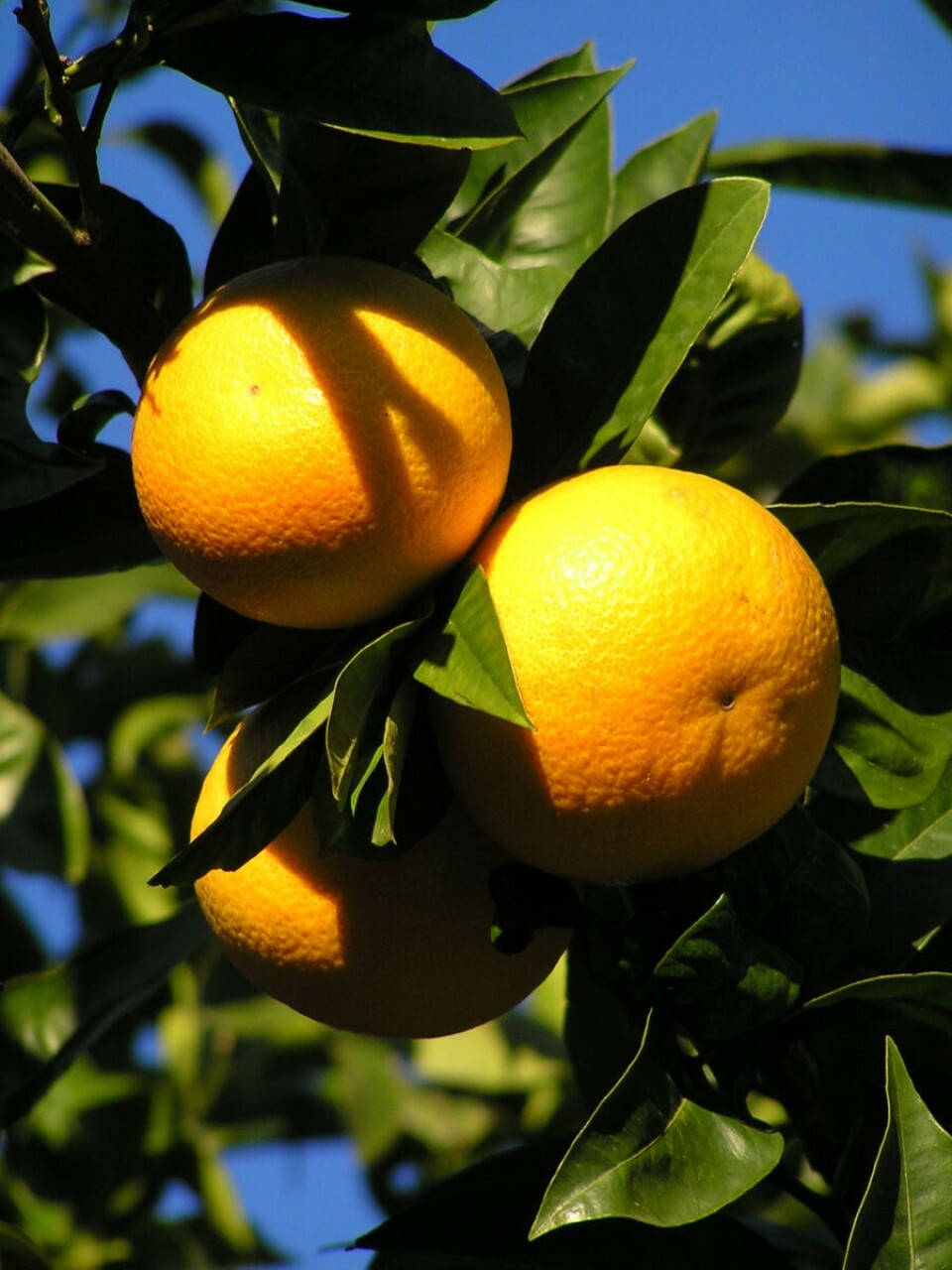
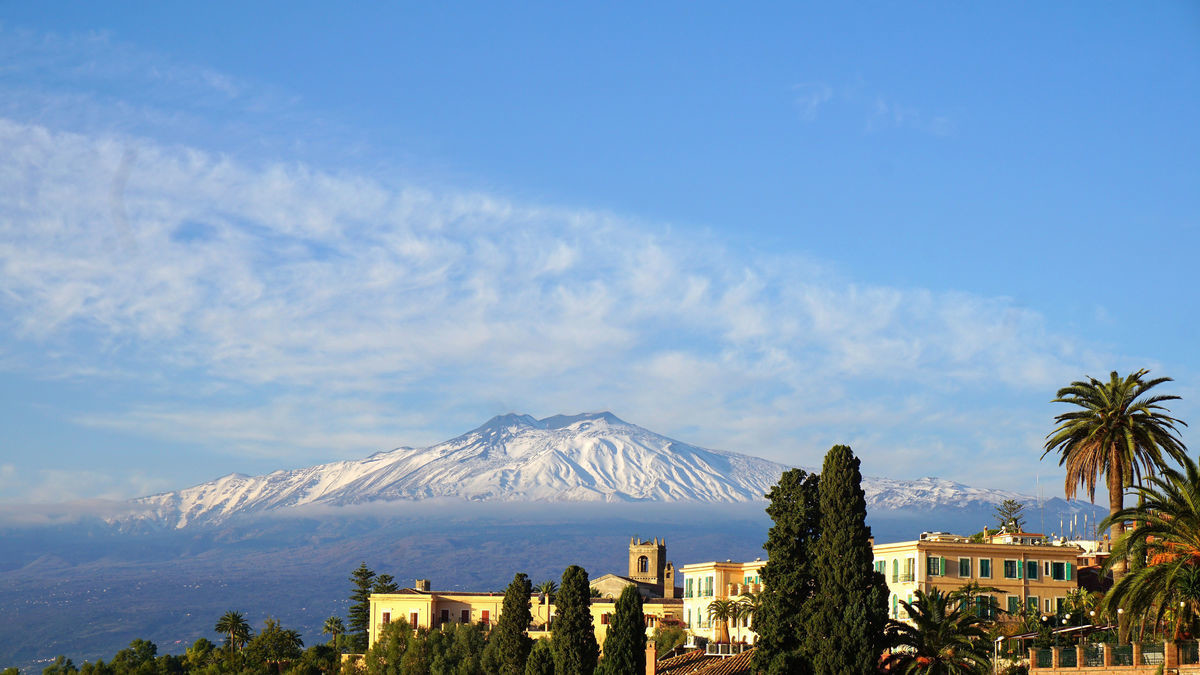
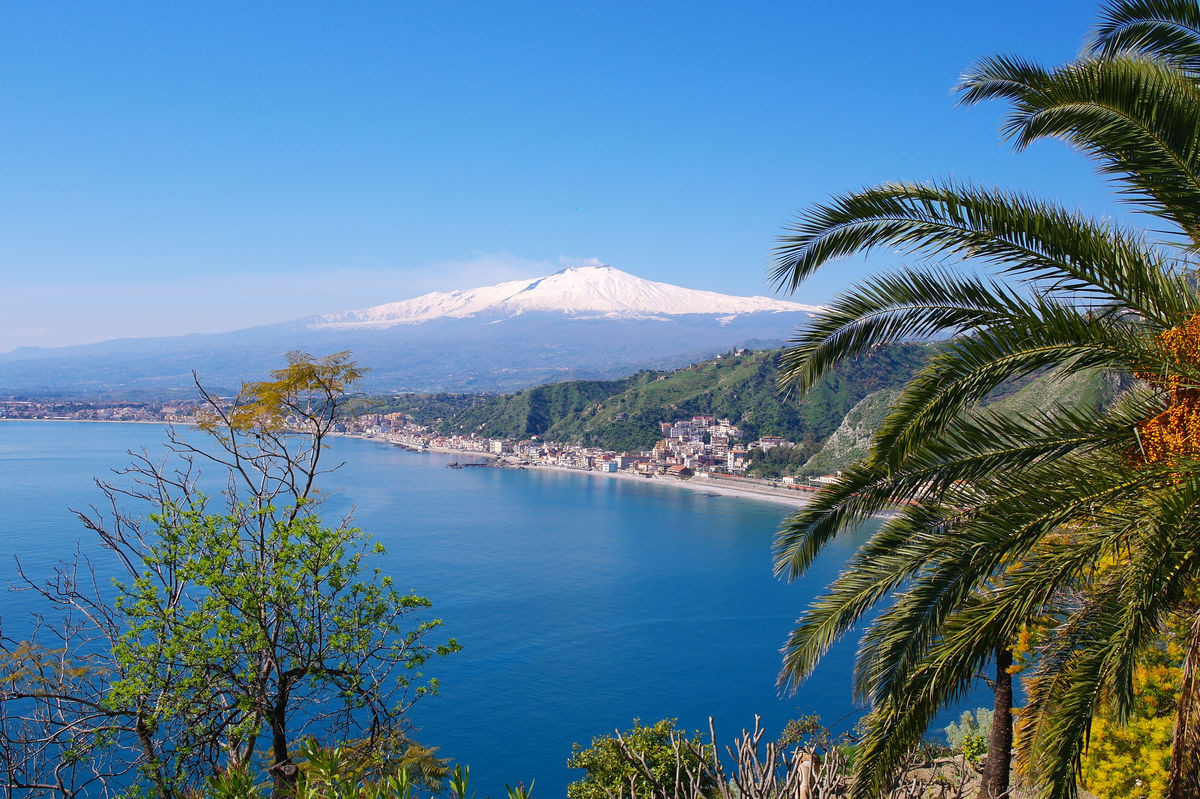
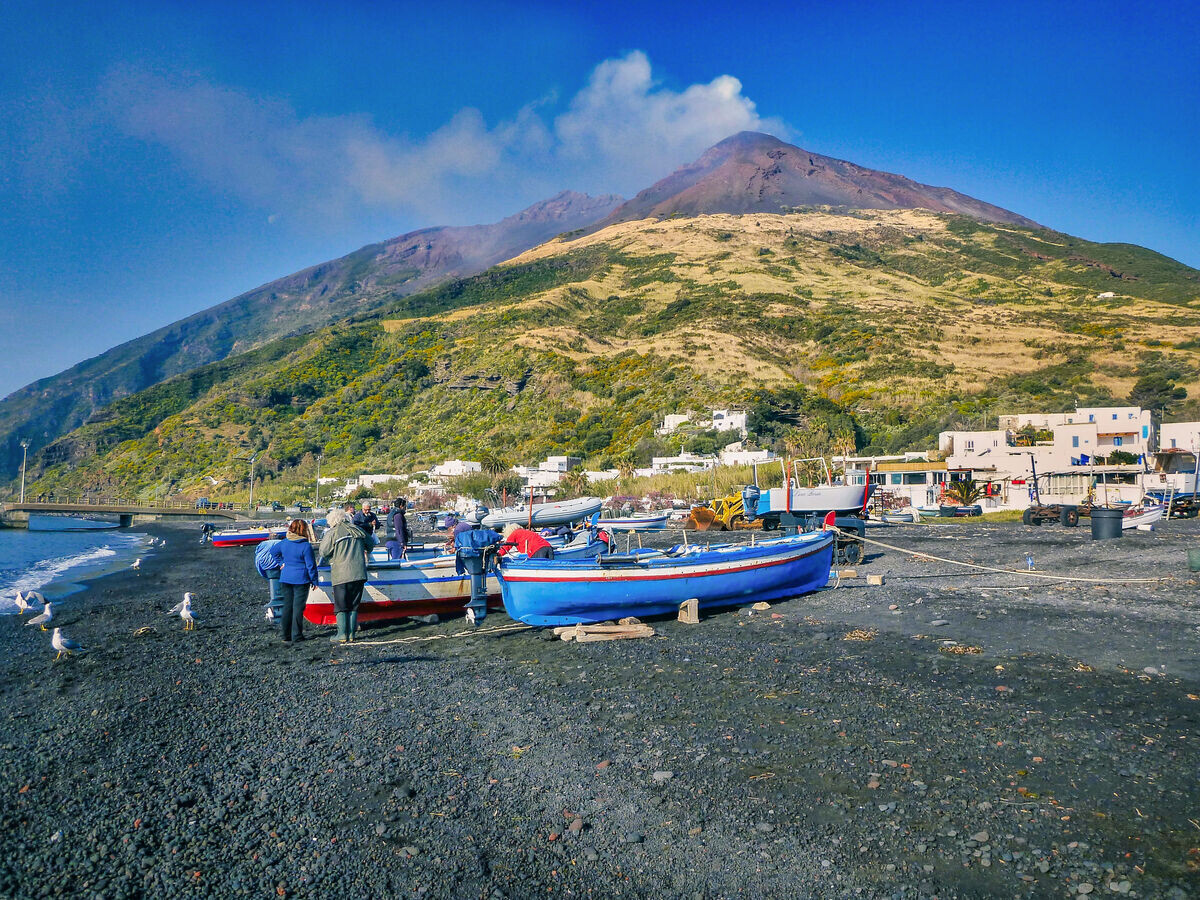
Mountains, sea, fire and legends shape Sicily – Towering above it all is Mount Etna, some 3.000 m high, whose lava flows create fertile soil that nourishes vines and citrus fruit. In mythology, the mountain was considered the workshop of the Cyclopes, helpers of Hephaestus, the Greek god of fire. Off Sicily’s northern coast, the forge of the Roman god of fire bubbles away on Vulcano, with steaming sulphur fields, black sand and a natural spa. Right next door, Lipari welcomes you to the heart of the Aeolian Islands, where white pumice quarries meet a lively old town clustered around the castle. Behind the romantic fishing town of Cefalù rise the secluded peaks of the Madonie Mountains. In the highlands near Piazza Armerina, the colourful mosaics of the Villa Romana del Casale tell of the joys of life in ancient times. In the south-east, beside the sparkling sea, Syracuse brings millennia of history to life, while Catania dazzles with its black lava Baroque architecture. The hilltop town of Taormina offers breathtaking panoramas of smoking Mount Etna and the Ionian Sea. To round off your journey, Palermo captivates with magnificent Arab-Norman buildings, lively markets and Mediterranean charm.
Itinerary
Travel through the delightful landscapes of northern Italy to the Ligurian coast. Board the ferry to Palermo in the evening.
Arrive in Palermo at around 18.30. Travel along the coast to the Cefalù area.
In the hinterland of Cefalù lie the „Sicilian Dolomites“, known as the Madonie Mountains. Quiet roads wind through this richly diverse natural landscape, where unforgettable views stretching to the Tyrrhenian Sea and sleepy mountain villages await around every bend. The picturesque old town of Cefalù nestles on a narrow strip of land between the sea and the cliffs. Strolling through its narrow lanes is a memorable experience in this typically Sicilian coastal town, which enchants visitors with its beautiful historic buildings.
Head up into the highlands of inland Sicily to visit the Villa Romana del Casale, around 6km south-west of Piazza Armerina. This extensive late Roman villa complex, dating from the 3 or 4 century AD, is famous for its vast mosaics made from colourful tesserae. Varied subjects, vivid colours and different decorative styles create extraordinary images, such as little cupids fishing or playing with dolphins. Equally fascinating are the scenes depicting the capture or trade of wild animals, and the "bikini girls" taking part in sports. Even the thermal baths are decorated with mosaics. With these remarkable impressions in mind, continue towards the east coast to Taormina for the next four nights.
Time and again, Europe’s highest active volcano, Mount Etna, reveals its immense power. Steam and smoke billow around its cone-shaped summit, over 3000m high, as glowing lava makes its way down into the valley. This impressive natural spectacle leaves behind a unique and varied volcanic landscape, which you can admire on your ascent. From the viewing platform at an altitude of 2000m, you can enjoy impressive views over parts of Sicily’s east coast. Those who wish can stop at a country estate at the foot of Mount Etna on the onward journey to sample wines grown in the fertile volcanic soil over a light lunch (optional). On the coast, the hilltop town of Taormina awaits, renowned above all for its ancient Greek theatre. Throughout the historic old town, spectacular views open up over the Ionian Sea and towards Mount Etna. Stroll along Corso Umberto and visit the steeply terraced gardens, small craft shops and cosy restaurants in the romantic side streets. The scent of jasmine and bougainvillea accompanies you as you explore this town shaped by Arab-Sicilian architecture.
Today you visit two more cities on Sicily’s east coast. In the morning, Catania welcomes you, a Baroque gem built from volcanic stone. At the harbour, traders loudly tout their wares at the bustling fish market, while just a few steps away the imposing Ursino Castle stands defiant against the passage of time. Along Via Etnea, palaces and churches line the way to Piazza del Duomo, where the famous lava-stone elephant – Catania’s proud landmark – stands guard before the richly decorated cathedral.
Following the sparkling blue Ionian Sea, you reach historic Syracuse. In the romantic old town on the island of Ortigia, millennia merge into a unique mosaic. Between the Temple of Apollo, the Baroque cathedral and the mythical Fountain of Arethusa, fringed with lush papyrus, you feel the spirit of the past. At the Neapolis Archaeological Park, history is almost tangible – marvel at the Greek theatre, the colossal Altar of Hieron or the acoustic phenomenon known as the „Ear of Dionysius“ (optional admission).
You set off early in the morning for Milazzo, where your local guide will be waiting. At around 9, the ferry departs for Lipari – the largest and most fertile of the Aeolian Islands. The citadel towers above the harbour bay, with its Baroque cathedral and Archaeological Museum, which displays impressive prehistoric finds from the island. Behind it lies a maze of narrow streets in the fishing and merchant quarters, where goods for export, such as pumice, were once stored. North of Lipari town is the fascinating centre of pumice quarrying, while hot springs rise in a valley on the volcanic island’s west coast.
The ferry takes you across the 1 km wide strait (Bocche) to the neighbouring island of Vulcano. To the north rises the young volcanic cone of Vulcanello, whose bizarre lava fields stretch down to the warm, sulphurous bays. Treat yourself to a mud wrap in the warm „wellness pool“ at Porto di Levante or admire the view from the Gran Cratere amid hissing fumaroles and bright sulphur-yellow crusts.
In the afternoon, you return by ferry to Milazzo and head back to your hotel for dinner.
The final day in Sicily dawns. Your route takes you through the heart of the island to Palermo, the capital. This major port city is rich in monuments and buildings from every era and civilisation that has ruled it over the centuries. Yet the charming little details that appear unexpectedly, such as brightly painted bicycles or ancient wrought-iron balcony railings, are also well worth seeing. After a walking tour, during which you will see, among other sights, the tomb of Frederick II, the Norman Palace with the Capella Palatina, and the churches of San Giovanni degli Eremiti and La Martorana, it is time to board your ferry at around 23 for the return journey to Genoa on the mainland.
In the evening at around 19, you arrive in Genoa, a trading city and port steeped in tradition. This regal city beneath the Alps has never lost its charm and pride. Magnificently decorated palaces and lavish churches in the picturesque old town bear witness to its wealth as a European maritime and financial power. Dinner awaits you at your hotel.
Now it is time to wave goodbye to the Italian countryside as you travel towards the border.
Our tip:
Fancy even more spectacular volcanoes? Take a look at our tour „Smoking Volcanoes in Sicily“- tour number: 868.441669. On a boat trip to Panarea and Stromboli, with a little luck you will see glowing lava flows light up the evening sky.
Included services
- Ferry crossings:
- Genoa – Palermo
- Palermo – Genoa
- 2 x Superior breakfast on board in the self-service restaurant
- Accommodation in 2-berth cabins
- 7 x overnight stay with half board
- Half board with a 3-course evening meal or buffet
- Upper mid-range SRG hotels
- 1 x Tour guide throughout from day 3 to day 8 for:
- 1 x Full-day guided tour of Cefalù and the Madonie Mountains
- 1 x 2-hour guided tour of Villa Casale incl.:
- Admission to Villa Romana del Casale
- 1 x Full-day guided tour of Mount Etna and Taormina
- 1 x full-day guided tour of Catania and Syracuse
- 1 x full-day excursion to Lipari/Vulcano by ferry from/to Milazzo incl.:
- Aeolian Islands tourist tax, worth € 2,50
- 90 min. coach hire for an island tour of Lipari
- 1 x half-day guided tour of Palermo
- 1 x 3-course dinner at a restaurant in Palermo before embarkation
- Quietvox audio guide system for the entire trip
When to travel
When is the best time to visit Italy?
Italy is an attractive destination all year round. While spring and autumn are particularly popular for cultural trips and touring holidays, summer beckons with lakes, coastlines and mountain scenery. In winter, the Alps in particular offer a wide range of travel options.
| Travel experience | JJan | FFeb | MMar | AApr | MMay | JJun | JJul | AAug | SSep | OOct | NNov | DDec |
|---|---|---|---|---|---|---|---|---|---|---|---|---|
| Cultural trips and city breaks | – | – | suitable | suitable | suitable | suitable | – | – | suitable | suitable | – | – |
| Tuscany and touring holidays | – | – | – | suitable | suitable | suitable | – | – | suitable | suitable | – | – |
| Northern Italian lakes | – | – | – | suitable | suitable | suitable | suitable | suitable | suitable | suitable | – | – |
| The Mediterranean and coastlines | – | – | – | – | suitable | suitable | suitable | suitable | suitable | – | – | – |
| The Dolomites in summer | – | – | – | – | – | suitable | suitable | suitable | suitable | – | – | – |
| Food and wine | – | – | – | – | – | – | – | – | suitable | suitable | suitable | – |
| Winter sports in the Alps | suitable | suitable | suitable | – | – | – | – | – | – | – | – | suitable |
General guidance – the best time to travel depends on the region, weather and itinerary. Find out more about Italy