Tour description
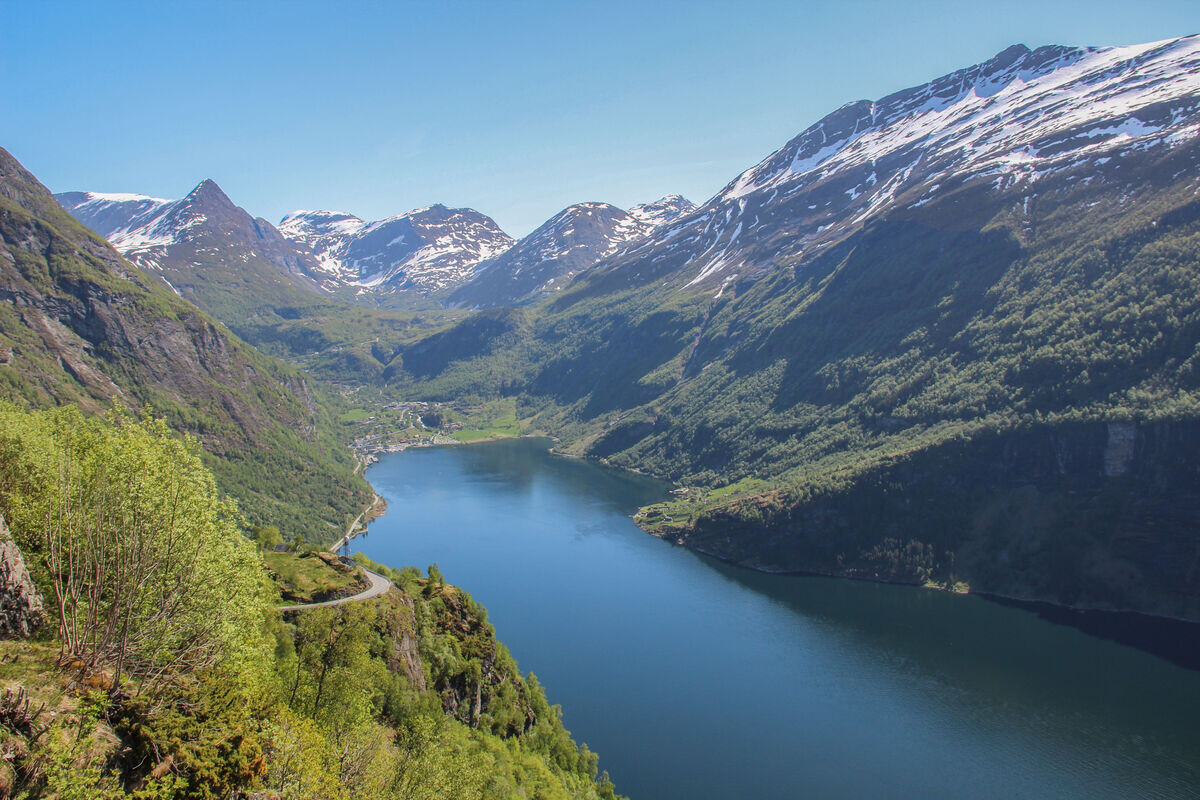
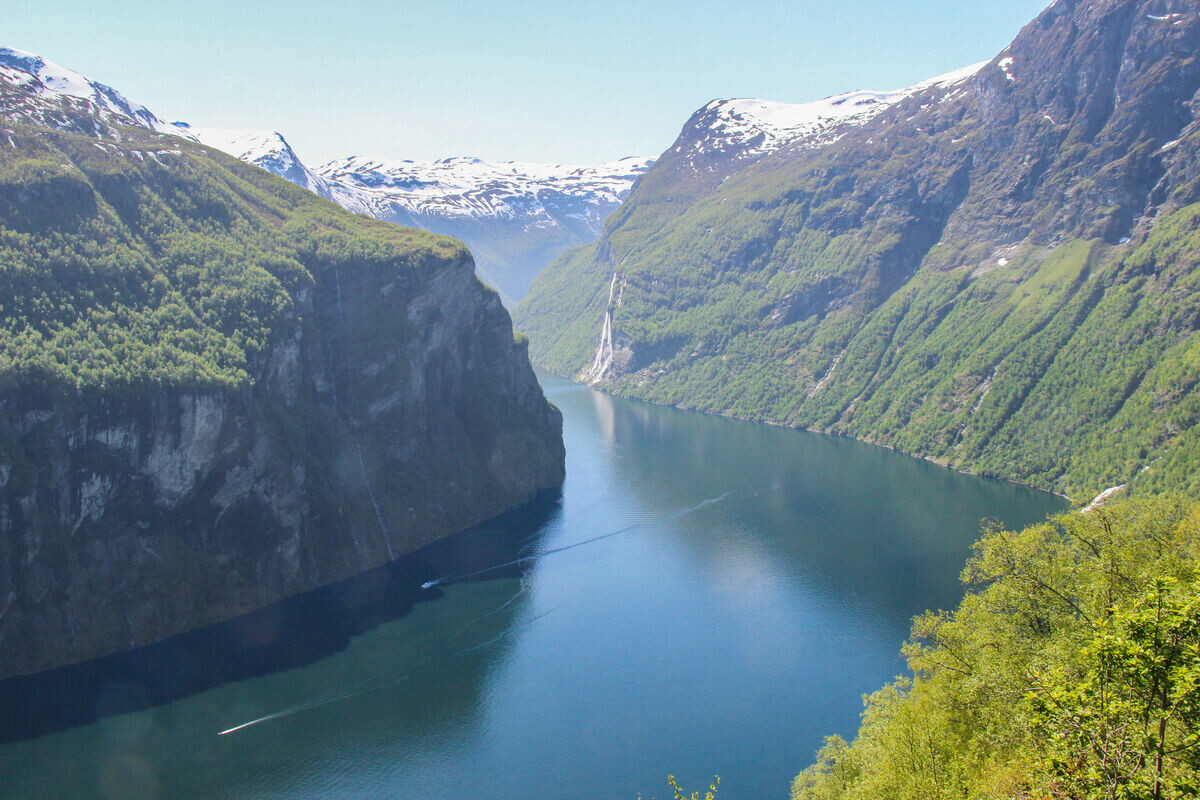
Your guests will discover the many fascinating facets of Scandinavia on this tour: lively cities such as Stockholm and Oslo, picturesque fishing villages and the remote expanses of Finnish Lapland. Highlights include the stunning landscapes of the Lofoten Islands and the North Cape – the famous rocky plateau at the edge of Europe.
Alongside all these places worth seeing, the itinerary also includes visits to the Sapmi theme park in Karasjok and the Arktikum museum in Rovaniemi. Here, guests will learn fascinating facts about the nature, culture and history of the Arctic region and gain intriguing insights into the way of life of the Sami people. They may even hear a joik – the distinctive, traditional singing of the Sami.
Your guests will also travel north in comfort: With overnight ferries from Kiel to Gothenburg and from Malmö to Travemünde, they can reach their destination practically in their sleep.
Itinerary
Kiel, the capital of Schleswig-Holstein, is the first stop on your journey. It enjoys an attractive setting at the southern end of Kiel Fjord, a Baltic inlet reaching deep inland. The first sailing regatta as part of "Kiel Week" took place here as early as 1882, and it remains one of the world's most important sailing events today. In the early evening, you too set sail – aboard a Stena Line ferry bound for Sweden.
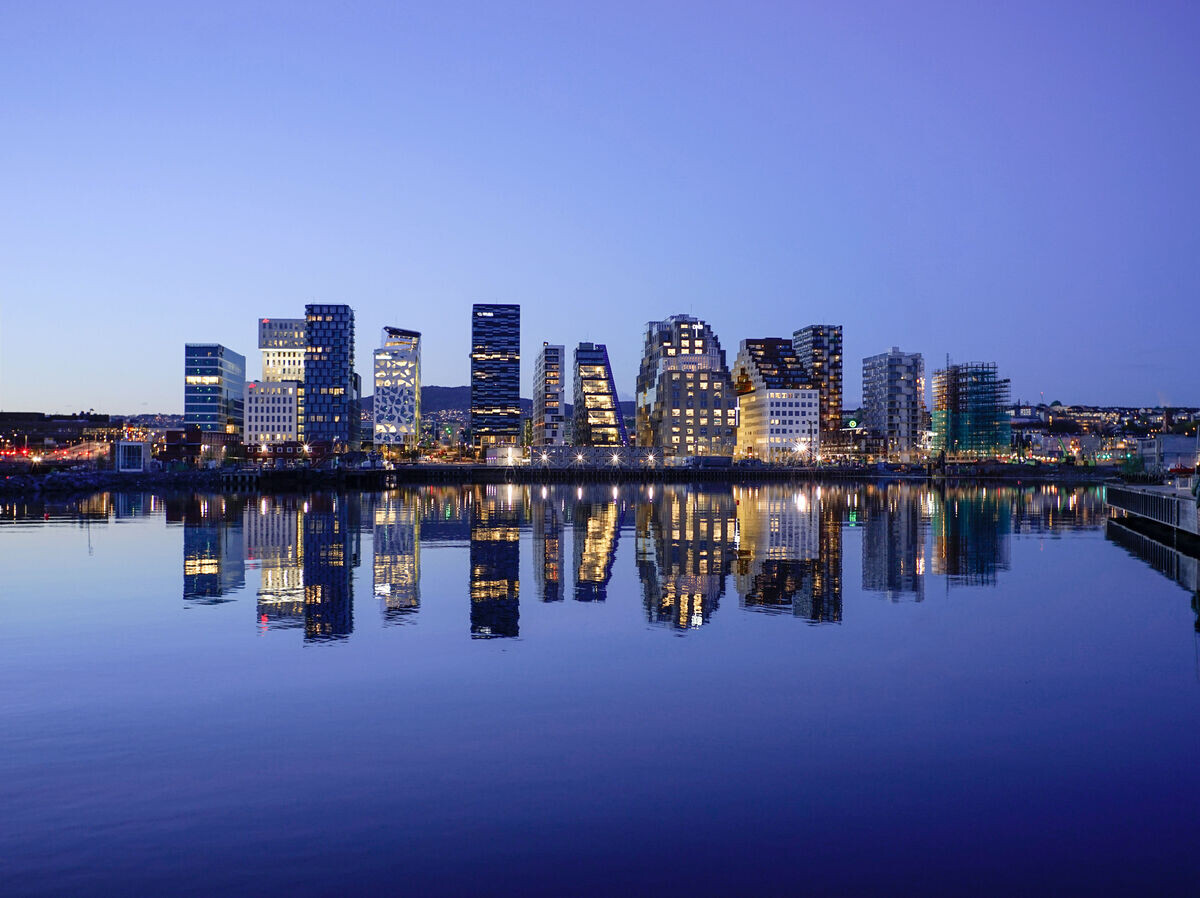
Arrival and disembarkation in Gothenburg at around 9.15. Gothenburg is Sweden's second-largest city and has one of Northern Europe's most important ports. You continue north and cross the border into Norway. Soon you reach Oslo. The city enjoys a beautiful setting on the Oslofjord, surrounded by wooded hills. Oslo has been reinventing itself for several years: Large sections of its former industrial and harbour areas have been transformed in innovative ways. Environmentally friendly architecture was a priority in the new Vulkan district, while architecturally striking high-rise buildings – the Barcode – were built in Bjørvika, near the opera house. On a guided city tour, you see historic buildings, such as the Royal Palace, and modern architecture, including the new Munch Museum. In the afternoon, you continue to lovely Lake Mjøsa, the country's largest lake, and soon reach your hotel.
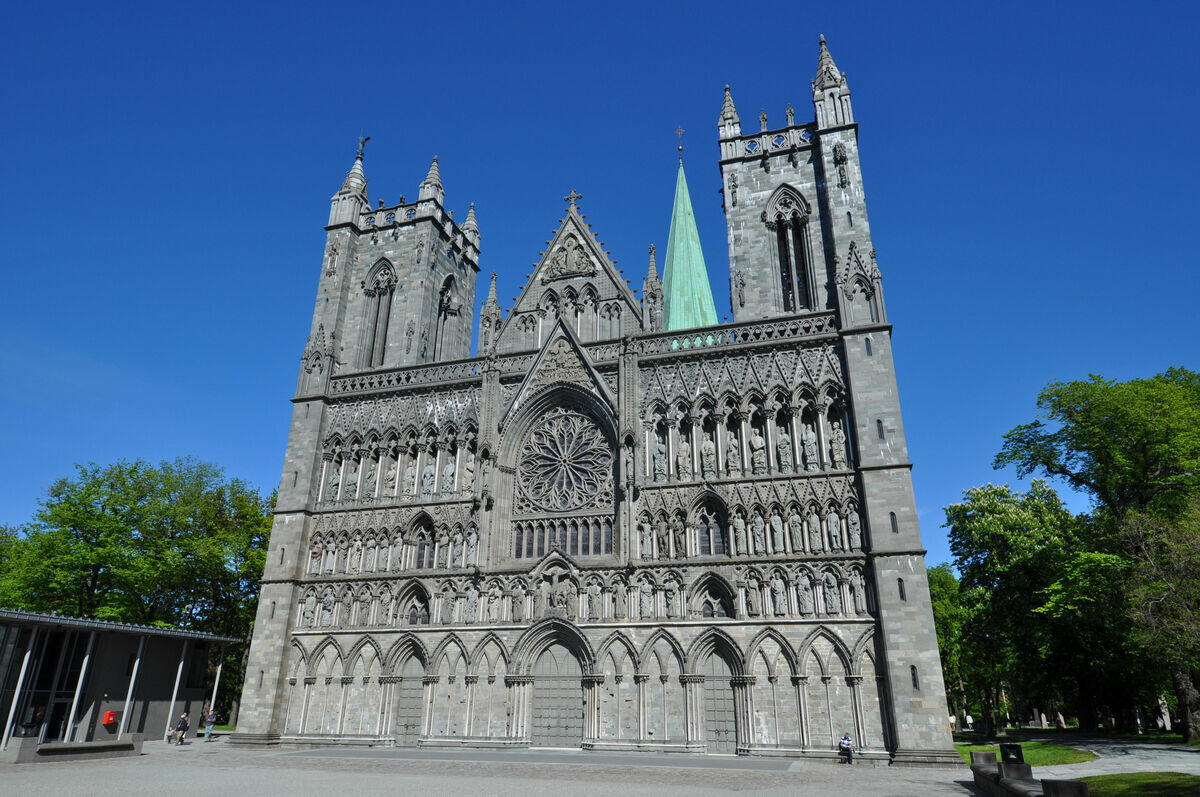
At the northern end of the lake lies the small town of Lillehammer, which became world-famous through the 1994 Winter Olympics. You continue through the lush Gudbrandsdalen valley to Dovrefjell. This remote mountain region is home to the only herd of musk oxen on the European mainland. Following the valley of the rushing River Driva, narrow in places, you reach the university city of Trondheim. Here stands Nidaros Cathedral – Norway's national shrine and the largest religious building in Scandinavia (optional admission). The colourful warehouses along the River Nidelv are also well worth seeing. How about a stroll through the redeveloped Solsiden district and the picturesque wooden-house quarter of Bakklandet?
Your journey north takes you through regions steeped in history. The famous Battle of Stiklestad took place near Verdal in 1030. Around Steinkjer, you will find numerous rock carvings dating back thousands of years, including the widely known life-size reindeer "Bolareinen". You continue through dense forests to Mosjøen. This port town on the Vefsnfjord has pretty wooden houses, some standing on stilts, which now house studios, restaurants and cafés. Via the port and industrial town of Mo i Rana, on the Ranafjord, you continue to the remote Saltfjell mountains. Here you cross the Arctic Circle. You soon reach the town of Fauske, known for its marble quarries.
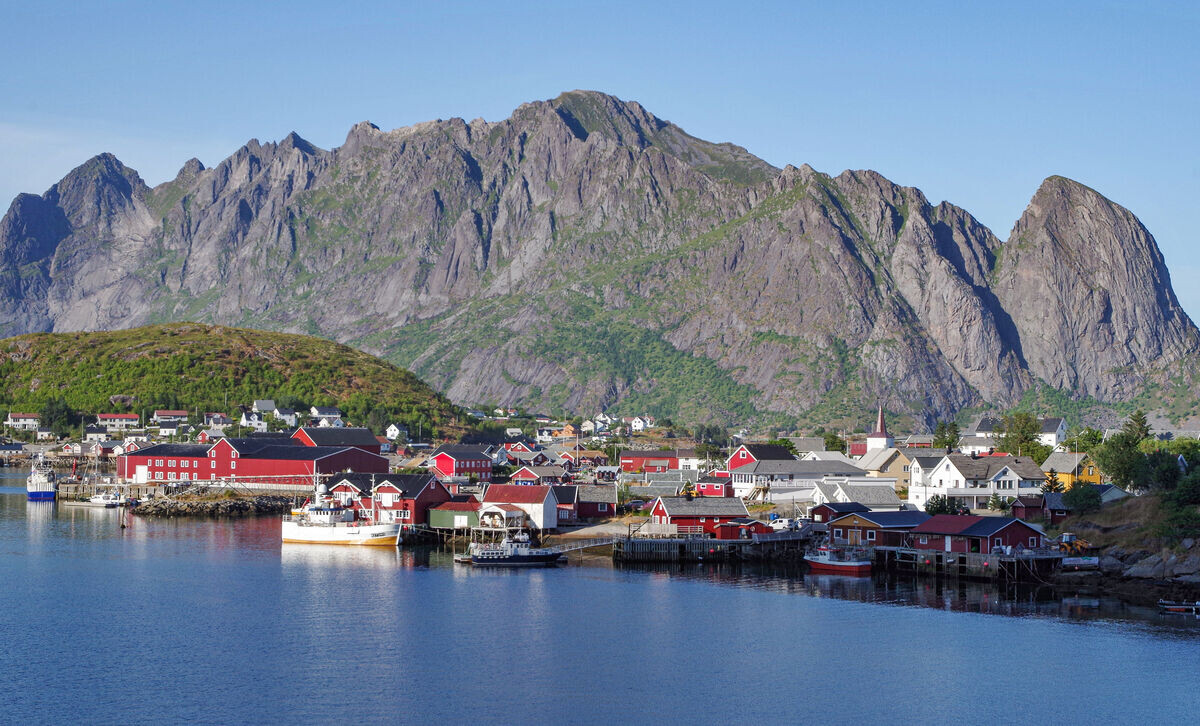
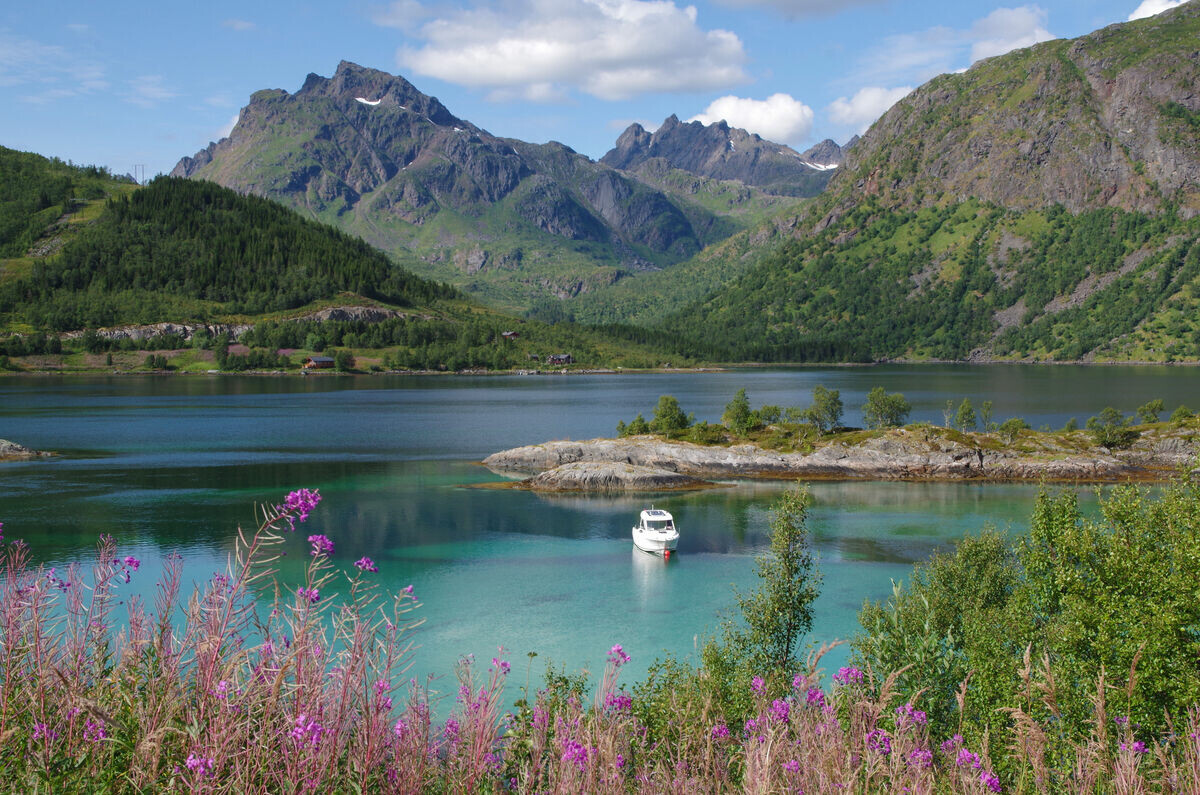
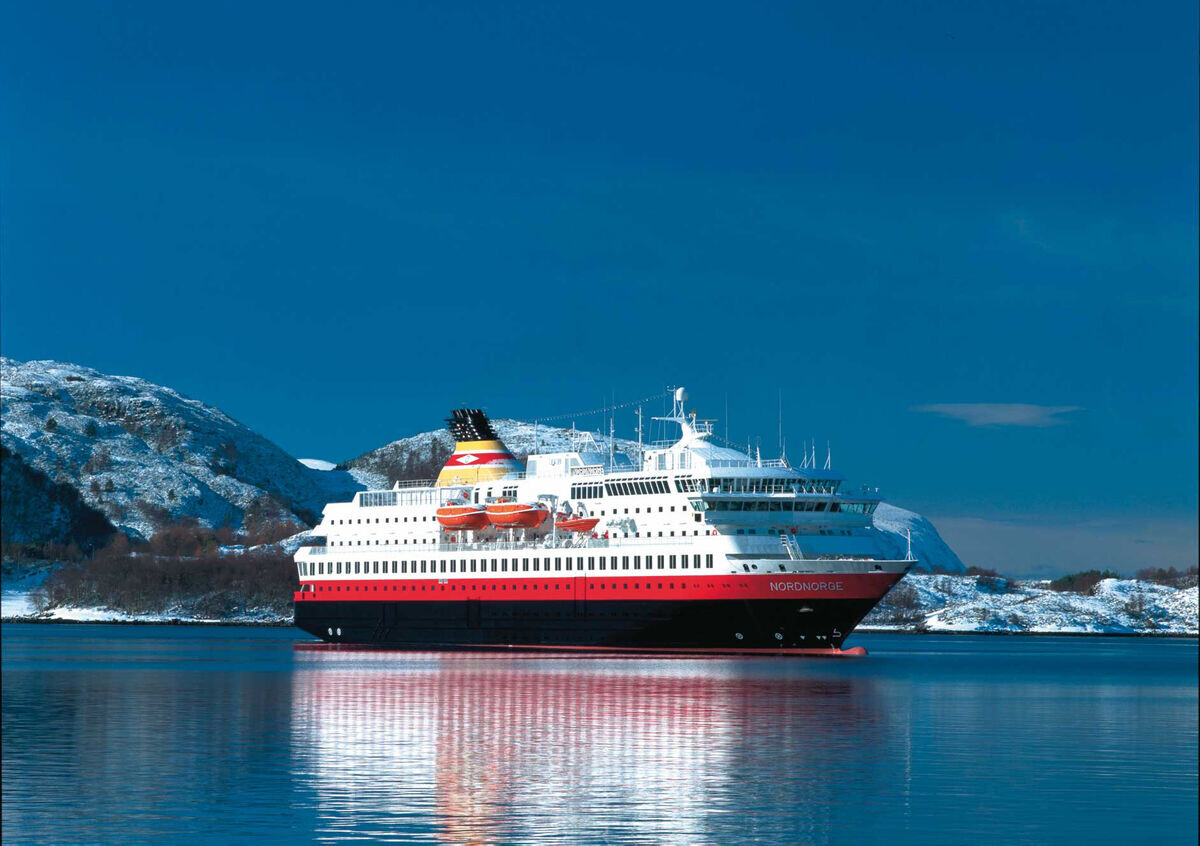
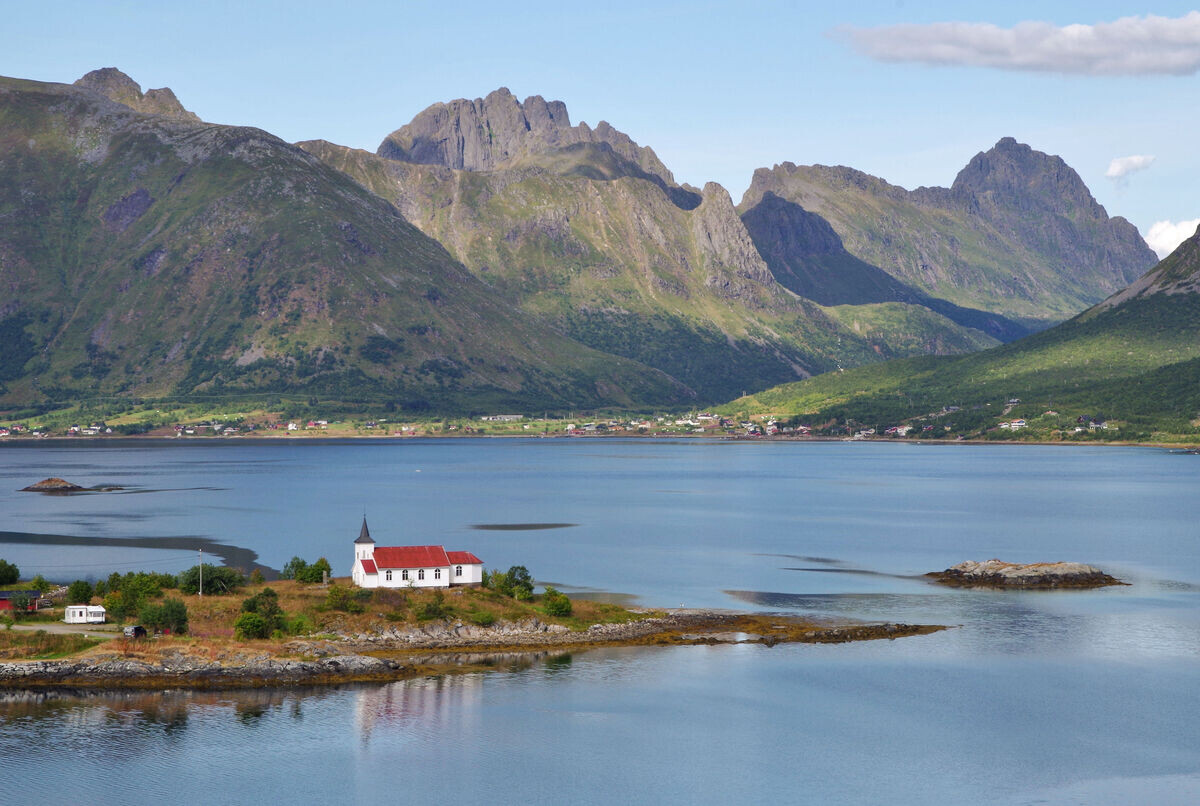
Your journey continues to Bodø, one of the largest towns in northern Norway and the administrative centre of Nordland county. It is known for having one of the largest populations of white-tailed eagles in the world. From Bodø, you take the ferry to Moskenes in the south of the Lofoten Islands, a crossing of approx. 3,5 hours. The archipelago is renowned for its spectacular scenery: Towering mountains, unusual rock formations, white sandy beaches and picturesque fishing villages make the Lofoten Islands one of the most beautiful destinations in the world. Despite their northerly location, the climate is relatively mild, as the Gulf Stream flows virtually past their doorstep.
The Lofoten National Scenic Route takes you east, past mountains and fjords through a magnificent coastal landscape. The bridge over the narrow Raftsundet strait connects Lofoten with Vesterålen. These islands are home to numerous bird species, including sea eagles and colourful puffins. On the next leg of your journey, time permitting, you can take a detour to the foaming Målselvfossen – a waterfall particularly popular with Norwegians. You then head back to the coast. You will see the picturesque Balsfjord and finally the port city of Tromsø: Home to the world's northernmost university, the city has much to offer, including one of the world's northernmost breweries, the imposing Arctic Cathedral and several museums. Famous polar explorers such as Nansen and Amundsen set off on their expeditions from Tromsø.
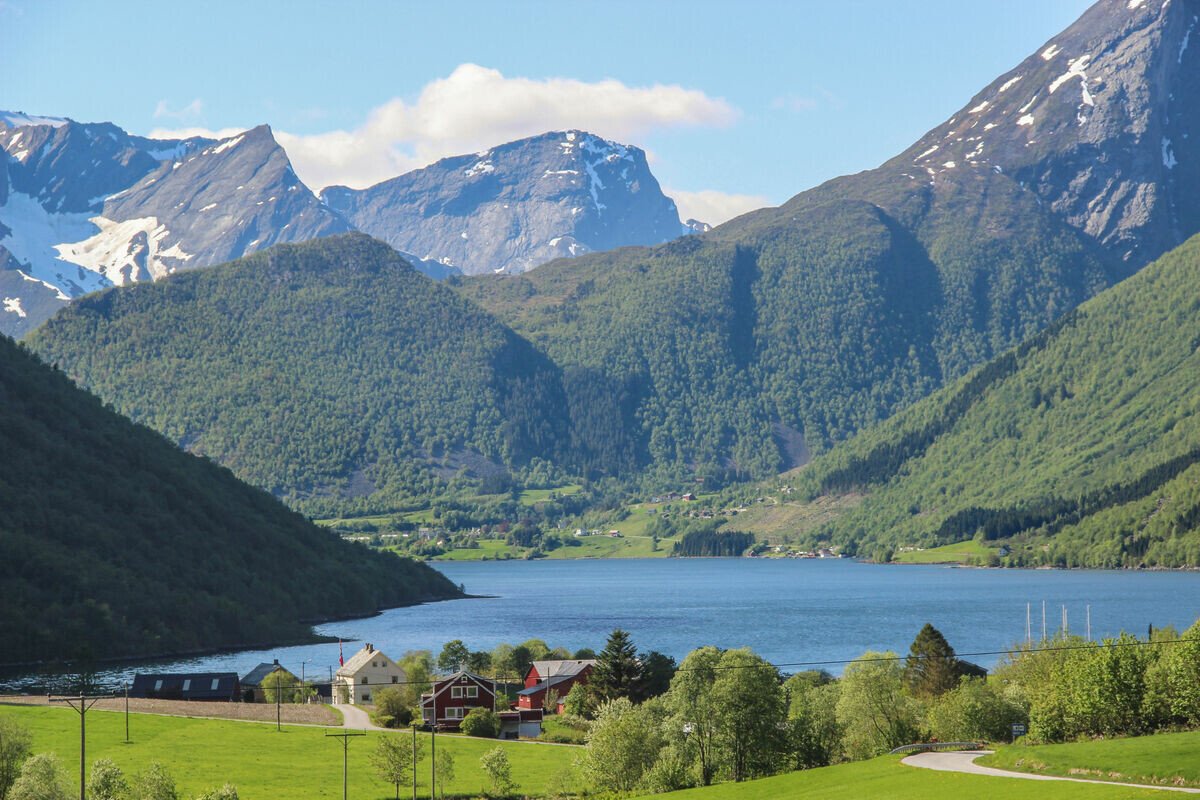
Today you will see the Lyngenfjord, surrounded by towering mountains. Many consider the Lyngen Alps to be Scandinavia's most beautiful mountain range. A rugged fjord landscape follows, characterised by islands and fjords, craggy mountains and rushing rivers. There are magnificent views along the way, particularly of the coast from Kvaenangenfjell. The small town of Alta is an important regional centre in Finnmark. Alta is known for its prehistoric rock carvings, a UNESCO World Heritage Site, as well as the "Northern Lights Cathedral" with its spectacular tower. Towards evening, you travel through the North Cape Tunnel and reach the island of Magerøya, home to the North Cape, and the town of Honningsvåg. In the evening, one of the highlights of the trip awaits: A visit to the North Cape cliff, rising sheer from the Arctic Ocean to a height of around 300m, and, weather permitting, perhaps a glimpse of the midnight sun (mid-May to late July). The North Cape Hall, built partly underground into the rock, offers a viewing platform, an exhibition on the history of the North Cape, a restaurant and a bar, among other attractions. In the souvenir area, you can buy stamps and a North Cape certificate and receive a special postmark. A spectacular film on a panoramic screen also takes you on a journey through the four seasons.
The Porsangerfjord – the longest fjord in Northern Norway – and a vast, remote landscape dotted with lakes accompany you on your journey south. Karasjok, the political centre of Norway's Sami people, lies on the eastern edge of the Finnmarksvidda plateau. It is home to the Sami Parliament (Sameting), which has existed since 1989. Its role is to uphold and strengthen the cultural self-determination of the Sami people. The architecture of the wooden parliament building is inspired by Sami traditions. You now visit Sapmi Theme Park, where the culture, history and mythology of the Sami people are brought vividly to life. Continuing along the route, you cross the Norwegian-Finnish border at Karigasniemi and reach Lake Inari, the "Sacred Lake of the Sami". From here, it is only a short distance to Ivalo or Saariselkä.
Although Saariselkä has fewer than 400 inhabitants, it is one of the most important holiday and winter sports resorts in Finnish Lapland. On your way south lies Tankavaara, the "gold prospectors' village" with its gold museum. The Arctic Ocean Road now leads through almost uninhabited countryside to Sodankylä. The village has a wooden church dating from 1689 – the oldest in the country. A few kilometres before Rovaniemi, the most important town in Finnish Lapland, you cross the Arctic Circle. Stop at the famous Santa Claus Village (open all year round), where you can even post your Christmas cards at the post office. In Rovaniemi, you then visit the "Arktikum" and explore the fascinating exhibitions on the nature and culture of the Nordic region. Your route then follows the River Kemijoki, Finland's longest river, towards the coast. At the northern end of the Gulf of Bothnia, you cross the Finnish/Swedish border at Tornio and soon reach Luleå. Particularly worth seeing is the church town of Gammelstad Luleå (UNESCO World Heritage Site!), around 10km away, with approximately 400 small wooden houses where people once stayed overnight when travelling from distant places to attend church services.
The charming town of Pitea, with its popular beach, lies on your route south, as does Skelleftea, where you can still find quite a few old wooden houses. Further south lies the lively university city of Umea, with its broad birch-lined avenues and varied cultural attractions. Beyond Örnsköldsvik lies the Höga Kusten (High Coast) region, a UNESCO World Heritage Site: The land uplift that followed the melting of the ice sheets after the last Ice Age is particularly pronounced here. Your route also takes you through Härnösand, with its neoclassical cathedral, magnificent town hall and one of Sweden's largest open-air museums. Finally, you reach Sundsvall. The city was rebuilt with stone buildings after a fire in the 19th century. Some particularly splendid buildings can be found around the market square. The open-air museum and the crafts museum on Norra Berget are also well worth a visit.
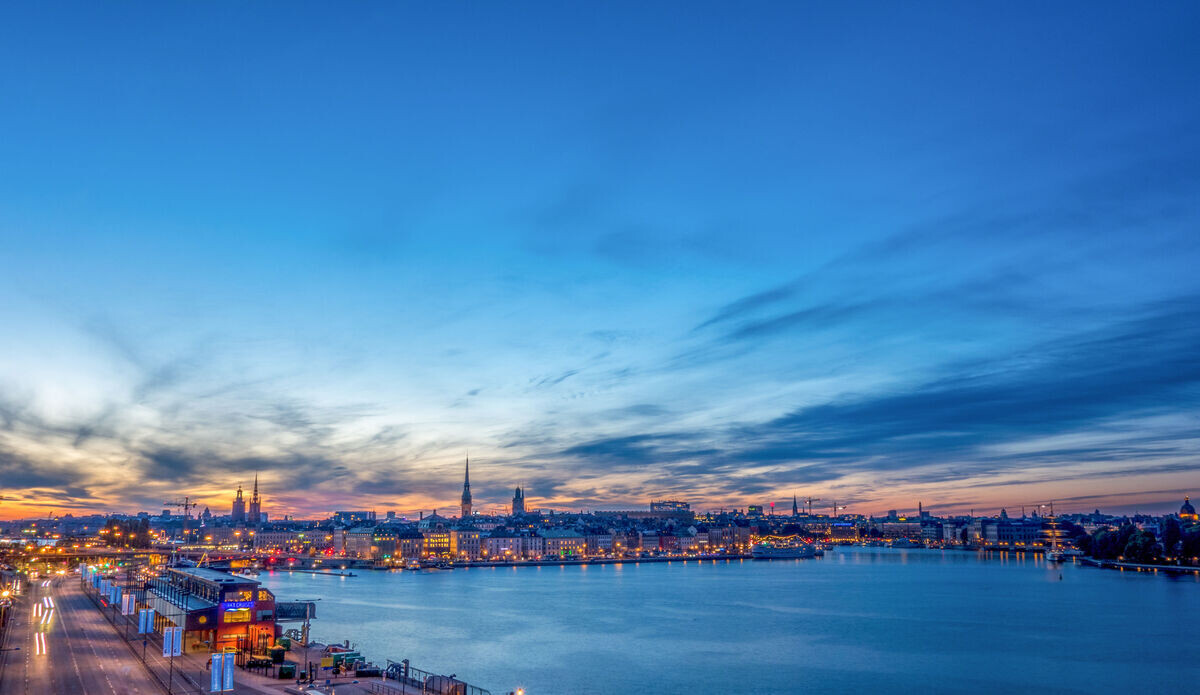
Hudiksvall lies on the way south. Here you will find one of Sweden's best-preserved town centres of wooden houses. Gävle, further south on the Gulf of Bothnia, also has an idyllic quarter of wooden houses, as well as a railway museum with one of the world's largest collections of locomotives and carriages. Uppsala is known for its university, founded as early as 1477, and its extensive library, which also holds precious historical manuscripts. There is plenty to discover in Uppsala, e.g. the cathedral - Scandinavia's largest and tallest church or the Linnaeus Museum, dedicated to the famous naturalist Carl Linnaeus. Stockholm lies where Lake Mälaren flows into the Baltic Sea, spread across fourteen islands. Off the coast lie around 24.000 larger and smaller islands – Sweden's largest archipelago. This wonderful setting and its many magnificent buildings make Stockholm one of Europe's most beautiful capitals. Stroll through the narrow streets of the old town, Gamla Stan, admire the City Hall (Stadshuset) and the Royal Palace, one of Northern Europe's most important Baroque buildings.
You continue your journey south, passing Nyköping, an old town with the ruins of the once important Nyköpingshus Castle. In Gränna, known as a centre for candy cane production, you enjoy magnificent views over the vast Lake Vättern. Further south lies Store Mosse National Park, with its moorlands and rich biodiversity. The journey continues past Helsingborg to Malmö, Sweden's third-largest city. In the evening, the Finnlines ferry departs from here for Germany.
Morning arrival in the Baltic seaside resort of Travemünde. You then travel home through the flat landscapes of northern Germany.
Important:
Before 19.05. and after 01.09.2027, there is not expected to be a suitably timed ferry crossing from Bodø to Moskenes. During this period, you will therefore travel to the Lofoten Islands on the Bognes – Lødingen ferry (payable locally).
Included services
- Ferry crossings:
- Kiel – Gothenburg for coach and passengers
- Malmö – Travemünde for coach and passengers
- 2 x buffet breakfast on board
- Accommodation in 2-berth cabins
- Bodø – Moskenes (late May - early Sept.)
- 10 x overnight stay with half board
- Dinner as a buffet or 3-course menu
- Good mid-range and upper mid-range hotels in the SRG classification
- 1 x 2 hr. guided city tour of Oslo
- 1 x North Cape admission fee (admission to North Cape Hall)
- 1 x Admission to Sapmi theme park, Karasjok
- 1 x Admission and 1-hour guided tour of Arktikum, Rovaniemi
- 1 x 3-hour guided city tour of Stockholm
- 1 x Nordic traveller certificate for each guest (on request)
When to travel
When is the best time to visit Norway?
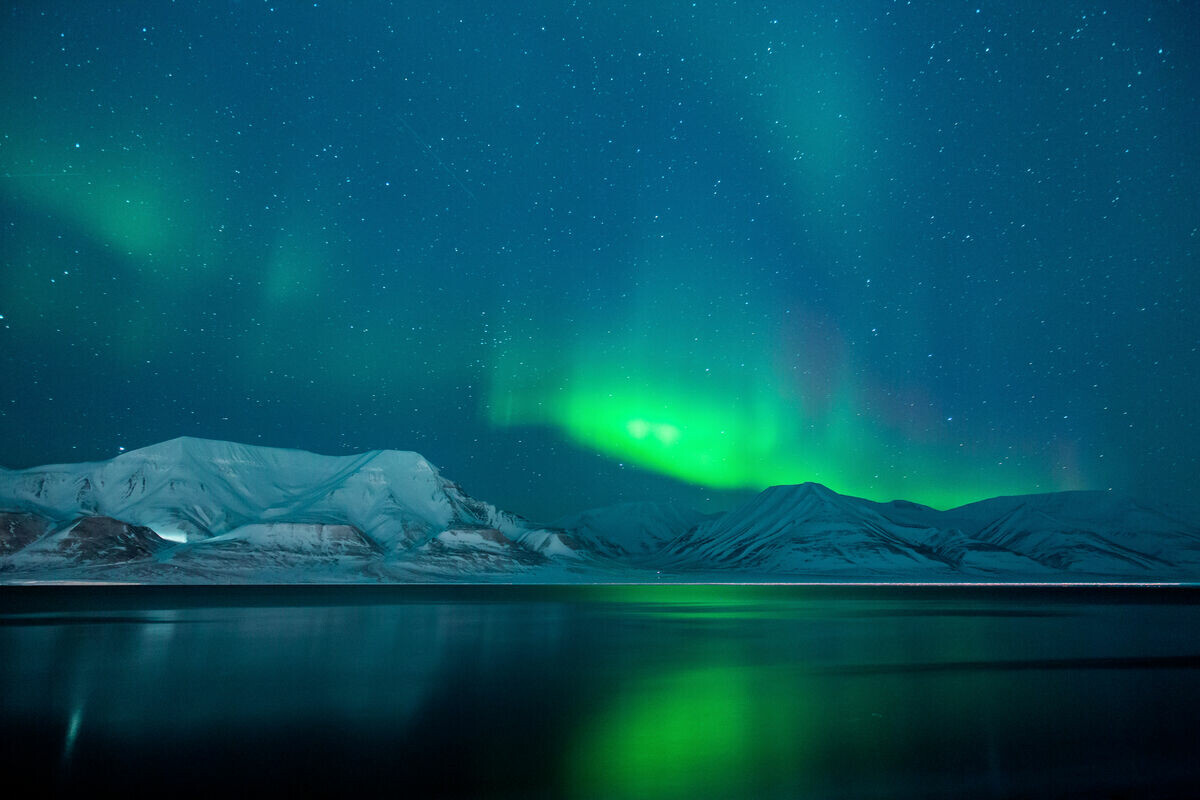
Norway is appealing all year round, but climate and daylight vary considerably between the south, the fjord region and the Arctic north. The summer months are often ideal for touring holidays and fjord scenery; the darker months in the north offer opportunities to see the Northern Lights.
| Travel experience | JJan | FFeb | MMar | AApr | MMay | JJun | JJul | AAug | SSep | OOct | NNov | DDec |
|---|---|---|---|---|---|---|---|---|---|---|---|---|
| Fjord and scenic tours | – | – | – | – | suitable | suitable | suitable | suitable | suitable | – | – | – |
| Cities and culture | – | – | – | – | suitable | suitable | suitable | suitable | suitable | – | – | – |
| Coasts and the Lofoten Islands | – | – | – | – | – | suitable | suitable | suitable | suitable | – | – | – |
| Midnight sun in northern Norway | – | – | – | – | suitable | suitable | suitable | – | – | – | – | – |
| Northern Lights in northern Norway | suitable | suitable | suitable | – | – | – | – | – | suitable | suitable | suitable | suitable |
| Winter experiences in northern Norway | suitable | suitable | suitable | – | – | – | – | – | – | – | – | suitable |
| Alpine hikes | – | – | – | – | – | suitable | suitable | suitable | suitable | – | – | – |
For guidance only, with no guarantee of weather, dates or availability. Midnight sun from around late May to mid-July, depending on location; Northern Lights sightings are not guaranteed. Alpine hikes and accessibility depend on altitude, weather and local conditions. Find out more about Norway