Tour description
This journey takes you overland through Denmark, Sweden and Finland to Norway’s North Cape – an advantage for guests who prefer sleeping in a comfortable hotel bed to a ferry. Along the way, they experience Scandinavia’s diverse nature and culture: picturesque lakes and manor houses in Sörmland, the royal capital Stockholm and the almost uninhabited forests of Lapland.
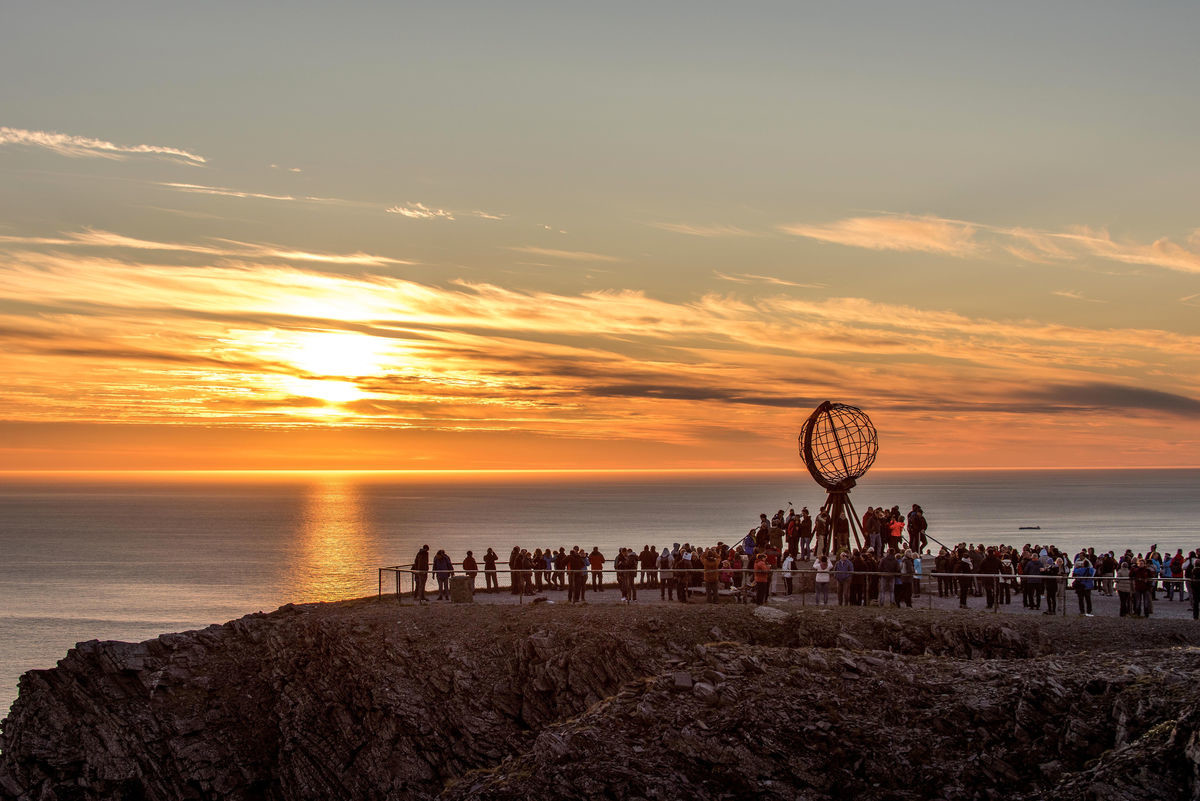
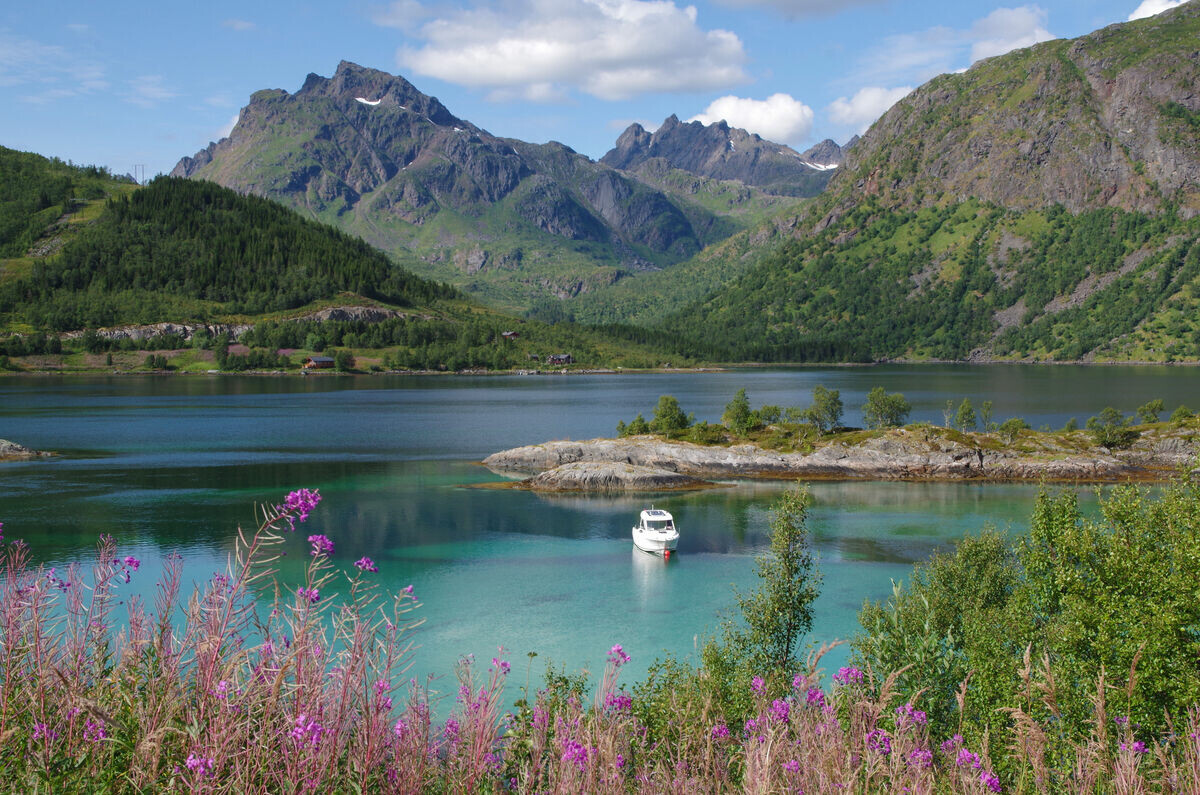
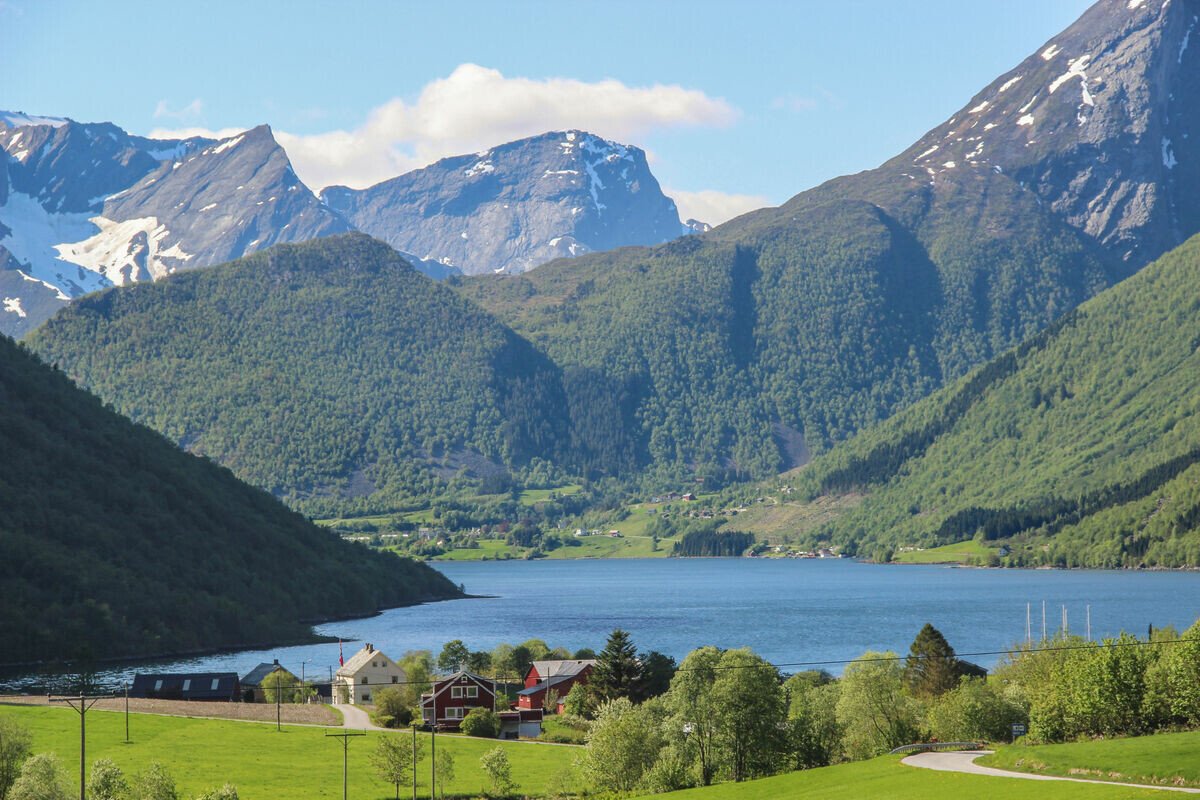
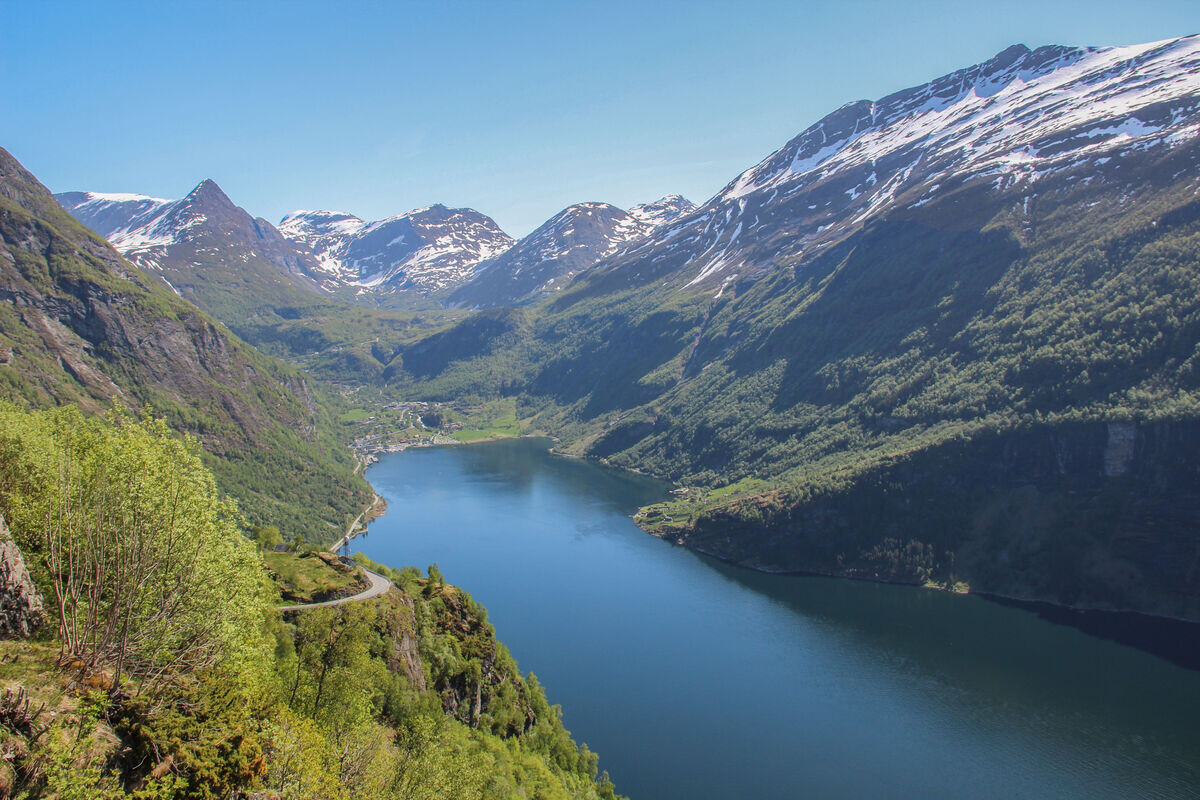
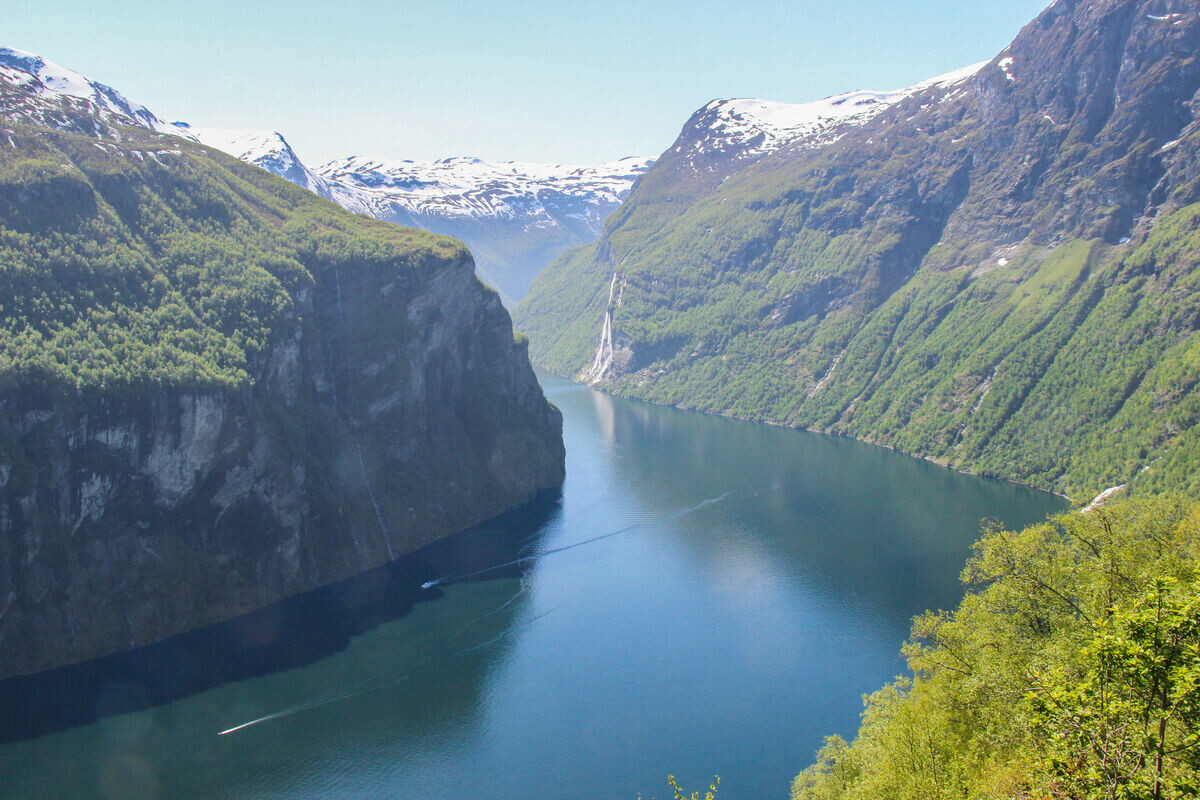
Perhaps THE dream destination for many travellers is the North Cape. The rocky plateau rises more than 300 metres above the sea – a place that stays with you long afterwards – and not just in the glow of the midnight sun. On the journey south, magnificent landscapes take centre stage: remote fells , fjords and then the Lofoten Islands: This island chain, with its towering mountains, white sandy beaches and fishing villages with pretty wooden houses, delights visitors from all over the world.
The route also takes in cities well worth visiting, including Tromsø – the world's northernmost university city, Trondheim with its magnificent Nidaros Cathedral and the Norwegian capital. Your guests are sure to discover their own dream destination on this trip, somewhere they would love to return to.
Itinerary
Travel to Puttgarden on the island of Fehmarn. A Scandlines ferry takes you to Rødby in Denmark in just 45 minutes. You then cross the islands of Lolland, Falster and Zealand, eventually reaching Copenhagen. The capital of the Kingdom of Denmark impresses with its many splendid buildings, pretty squares and imposing palaces. Cross the famous Øresund Bridge to reach Malmö, one of Scandinavia's most important port cities. The spectacular "Turning Torso" skyscraper, one of the tallest buildings in Northern Europe, is impossible to miss. Continue past Helsingborg and Värnamo to Jönköping. The city lies on Lake Vättern, the country's second-largest lake.
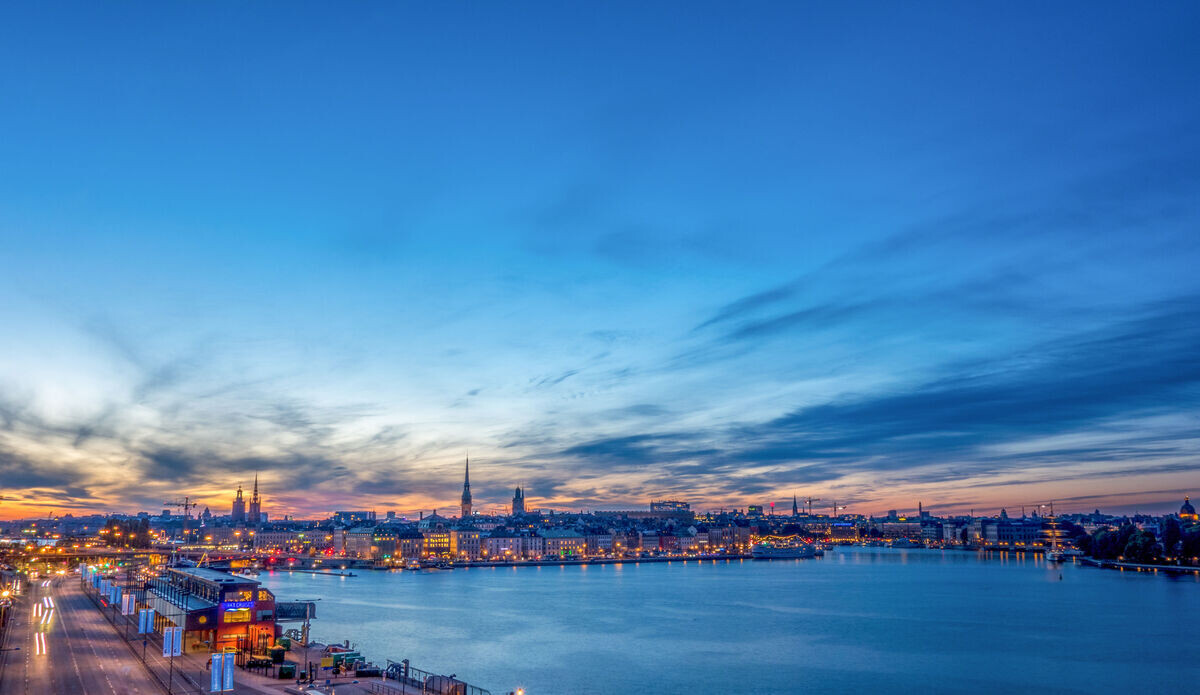
You continue north along Lake Vättern and via the small town of Gränna. Gränna is also where Sweden's most famous sweet is made: Polkagrisar, usually red-and-white striped candy canes. Further along the route, you cross the famous Göta Canal. It is now not far to the Swedish capital: Stockholm is Scandinavia's largest city and enjoys a beautiful setting across fourteen islands, where Lake Mälaren meets the Baltic Sea. It offers visitors numerous magnificent buildings, fascinating museums and an old town with narrow lanes that is well worth exploring. Popular attractions also include the Royal Palace, the Vasa Museum with its famous warship and Stockholm City Hall. Just offshore lies a magnificent archipelago of thousands upon thousands of islands.
The major university city of Uppsala lies on today's route. It is home to one of Scandinavia's largest cathedrals. Passing Gävle, you continue along the coast to Sundsvall. Not far from here begins the "High Coast" (Höga Kusten), a UNESCO World Heritage Site. The land uplift that followed the melting of the ice sheets after the last Ice Age is particularly pronounced here. The next major city is Umeå – known for its broad birch-lined avenues and varied cultural attractions. Just outside the city is Umedalen Sculpture Park (free admission all year round). Here you can admire around 50 modern sculptures by international artists.
Following the Gulf of Bothnia, you reach Luleå, the capital of Norrbotten. Nearby lies the church village of Gammelstad with its roughly 400 wooden cottages, where people once stayed overnight when travelling from distant settlements to attend church services. The church village is now a UNESCO World Heritage Site (optional visit). A scenic route now takes you to the Swedish/Finnish border near Övertorneå. At Juoksenki you cross the Arctic Circle, which is still a little less touristy here than at Rovaniemi. Not far away lies Pello, on the Tornionjoki, the river forming the border with Sweden. Here, in the vast expanses of Finnish Lapland, few people live. The almost untouched landscape is characterised by fells, coniferous and birch forests and large rivers. Passing Kittilä Airport, you reach Sirkka at the foot of Mount Levi. Although only 531m high, it is one of the largest and most popular winter sports resorts in the country.
Continue through the forests of Finnish Lapland. North of Enontekiö, you cross the Finnish-Norwegian border. The village of Kautokeino, with its strong Sami heritage, is known for its silversmiths. Continue across the vast Finnmarksvidda plateau to Karasjok. Here, the "Sapmi" theme park is well worth a visit (additional charge), offering fascinating insights into Sami culture. Travel onwards through Finnmark via Lakselv and along the Porsangerfjord, the longest fjord in northern Norway. The North Cape Tunnel finally takes you to the island of Magerøya, home to the small town of Honningsvåg and the famous North Cape.
In the evening, you can visit the North Cape (optional admission charge). Depending on the time of year and with a little luck, you may even experience the midnight sun on this plateau, which rises steeply some 300m above the Arctic Ocean. The North Cape Hall, built partly underground into the rock, offers a viewing platform, an exhibition on the history of the North Cape, a restaurant and a bar, among other attractions. At the post office, you can buy stamps and a North Cape certificate and obtain a special postmark. A spectacular film on a panoramic screen takes you on a journey through the four seasons.
The North Cape Tunnel takes you back to the mainland. In the small town of Alta, you can visit the Alta Museum (optional) and admire the famous prehistoric rock carvings, which are a World Heritage Site. The modern church with its spectacular tower – the "Northern Lights Cathedral" – is also well known. You then travel through a rugged fjord landscape, characterised by islands and fjords, craggy mountains and rushing rivers. There are magnificent views along the way, e.g. from Kvaenangenfjell over the coast and near Djupvik towards the Lyngen Alps – one of Scandinavia’s most beautiful mountain ranges. Passing the Balsfjord, you reach Tromsø. This lively city has plenty to offer: the northernmost university, one of the world’s northernmost breweries, the striking Arctic Cathedral and wonderful views from Mount Storsteinen, which you can reach by cable car. Tromsø is also known as the "Gateway to the Arctic", as famous polar explorers such as Nansen and Amundsen set off on their expeditions from here.
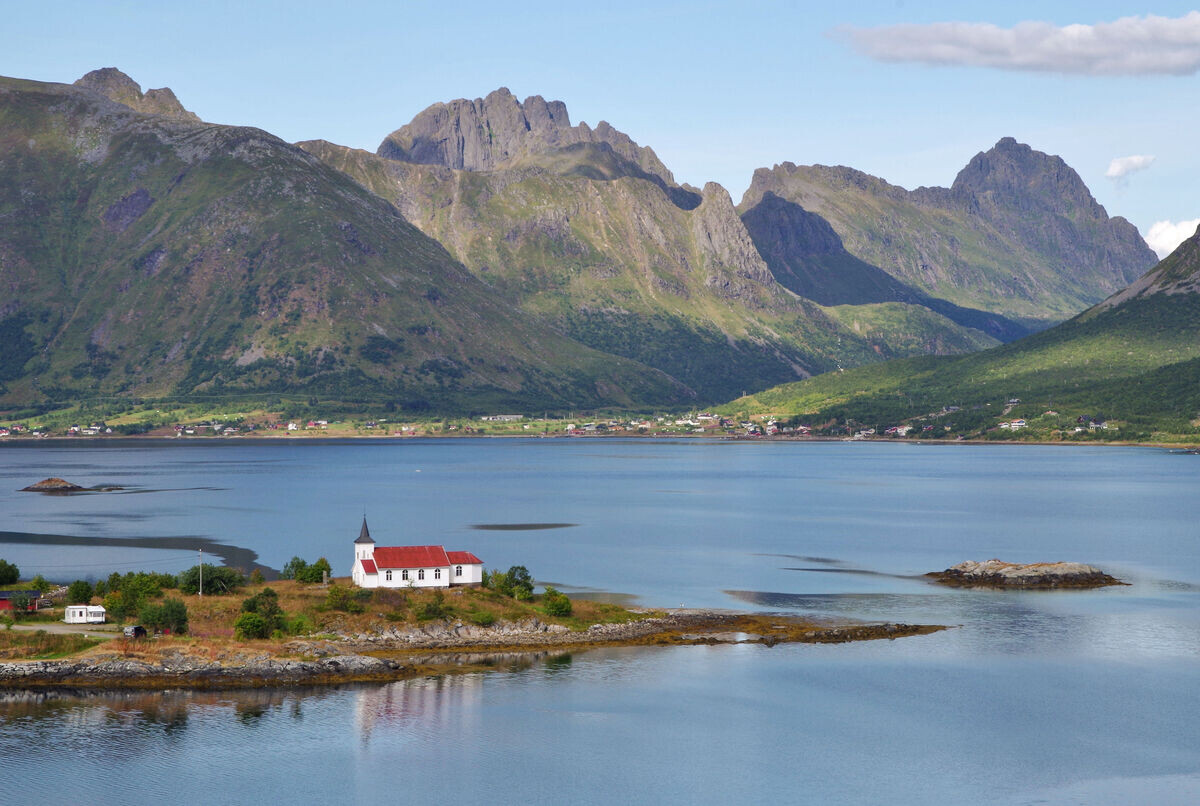
You continue your journey through the rugged coastal landscape. Travelling across the Vesterålen islands and through the narrow Raftsund strait, you reach the beautiful Lofoten Islands. The next stretch is one of Norway's National Scenic Routes: Alongside magnificent scenery, these offer superb viewpoints, visitor facilities and rest areas – many with artistic designs. The landscape is wonderfully varied: Soaring mountains, white beaches and picturesque fishing villages make the Lofoten Islands one of Europe's most beautiful destinations. Svolvær is the economic and cultural centre of the Lofoten Islands. Nearby lies the village of Kabelvåg with Vågan Church, the largest wooden church in Northern Norway. You then continue to Fiskebøl, where you take the ferry (payable locally or via a toll tag) to Melbu in the Vesterålen archipelago.
After the short ferry crossing back to Fiskeböl, you follow a scenic route across the northern Lofoten Islands and the island of Hinnöya to Lödingen. After the ferry crossing to Bognes (payable locally or via a toll tag), you continue south. Passing several lakes, you reach the small town of Fauske. Fauske marble is widely renowned and was also used in the United Nations building in New York. You then cross the Arctic Circle on the barren Saltfjell plateau. The Arctic Circle Centre with its café and multimedia exhibitions (optional) is an ideal place for a break. Further south, on the Ranfjord, lies the port town of Mo i Rana. Stroll along the fjord promenade past the old wooden houses of Moholmen and the Havmannen (The Man in the Sea) sculpture standing in the water.
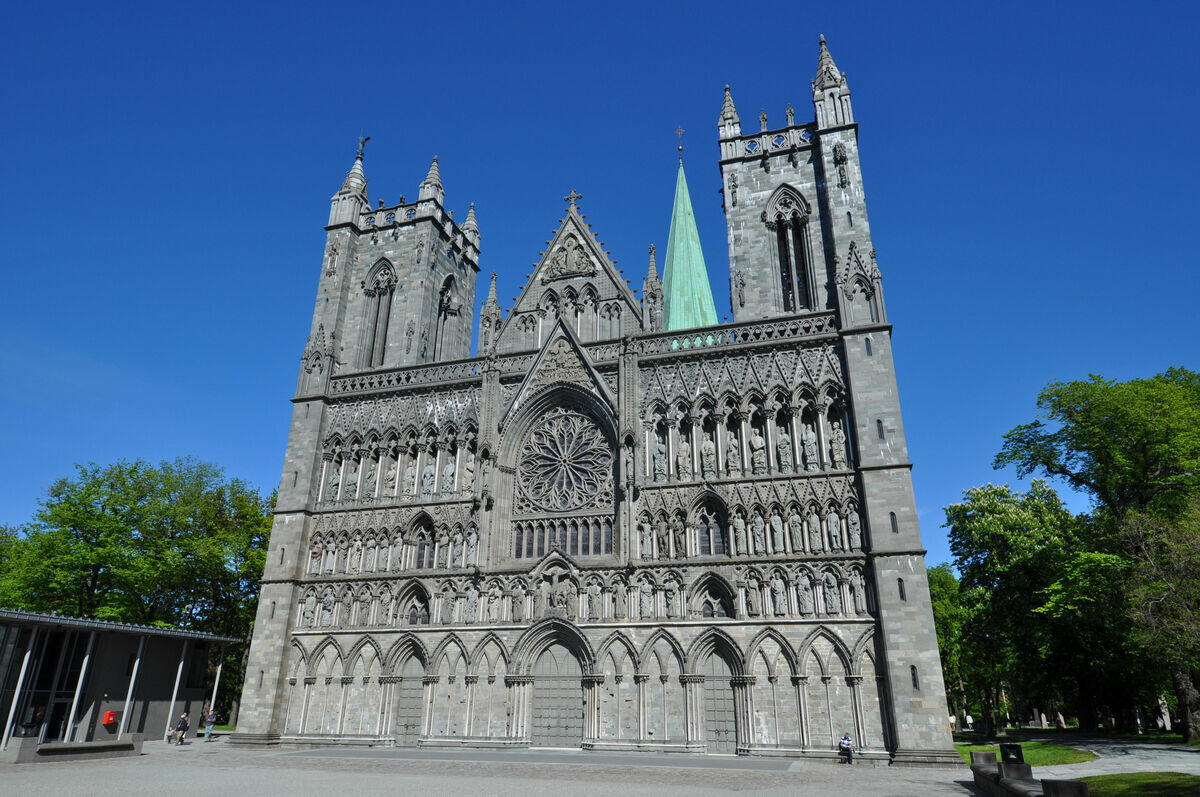
You travel through dense forests and regions steeped in history. Around Steinkjer, you can find rock carvings dating back thousands of years, including the famous life-size reindeer "Bolareinen". Further south, near Verdal, the famous Battle of Stiklestad took place in 1030. Soon you reach the university city of Trondheim. Its famous Nidaros Cathedral is Scandinavia's largest religious building and a national shrine, and was once the coronation church of Norway's kings. The colourful warehouses along the River Nidelva and the Bybrua bridge also make wonderful photo opportunities. Dense forests, rushing rivers and the remote landscapes of Dovrefjell await you on the next leg of your journey. Dovrefjell is dominated by the 2286m-high Snøhetta and is known for its musk ox population. Soon you reach Dombås.
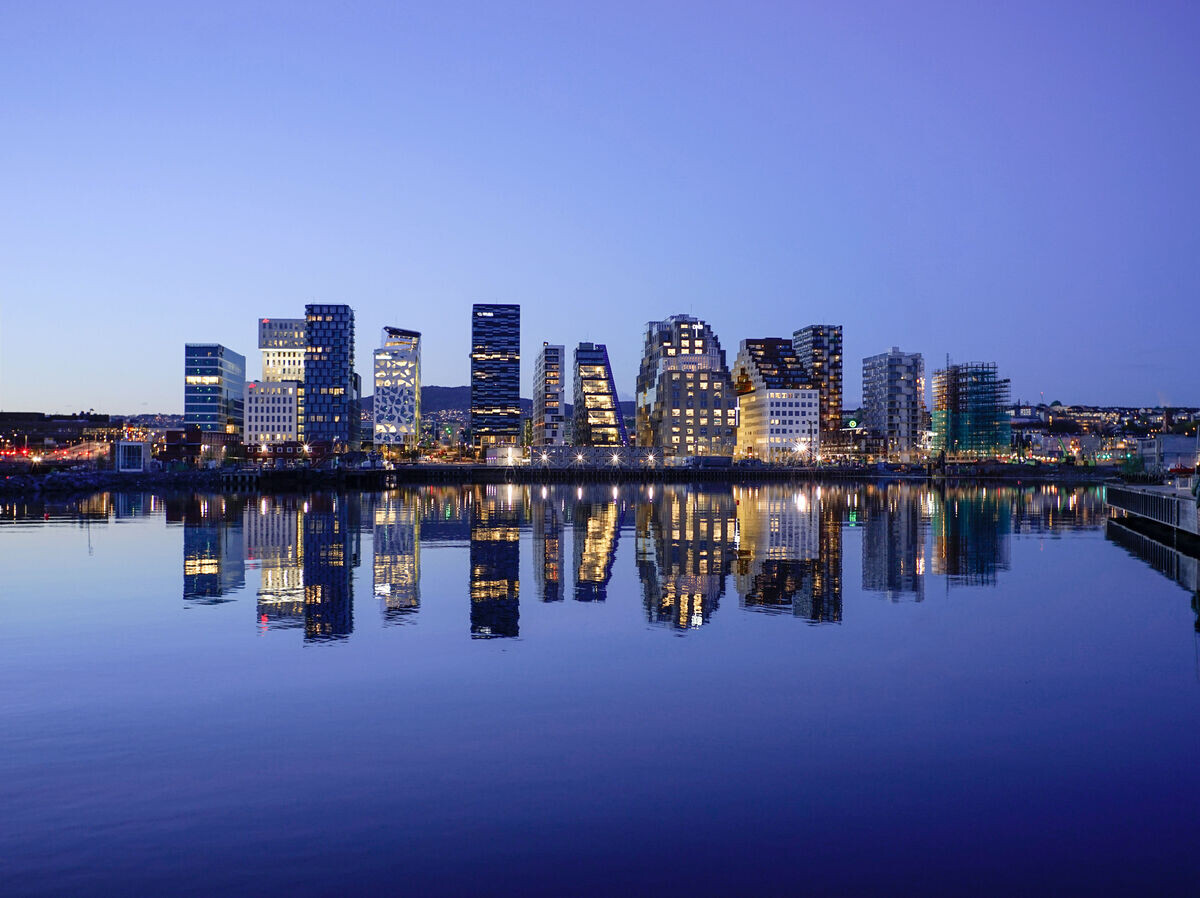
Passing Rondane National Park with its towering mountains, you reach the legendary Gudbrandsdal valley. In Ringebu you can admire the stave church (short detour, optional admission)). Further south lies Lillehammer, which became famous worldwide thanks to the 1994 Winter Olympics. Among Lillehammer's attractions is Maihaugen, one of the country's finest and largest open-air museums. Traditional crafts are also practised in many of the historic buildings during the summer. The route now continues along Lake Mjøsa, Norway's largest lake, to the Norwegian capital. Today, Oslo impresses with its blend of old and new. Its attractions include the Royal Palace and Vigeland Park with its numerous sculptures. Modern and spectacular sights include the ski jump at Holmenkollen, the gleaming white Opera House and the new districts developed in former harbour areas along the Oslofjord, e.g. Sørenga with its large seawater pool and lovely waterfront promenade. The so-called Barcode impresses with its skyline of modern buildings. We would be happy to arrange a guided city tour for you (optional).
Continuing south, you travel via Sarpsborg to the Norwegian-Swedish border at the Svinesund Bridge. Further along the route, you pass the famous rock carvings (Hällristningar) at Tanum, created by Bronze Age people in 1800 - 400 BC, and now a UNESCO World Heritage Site. Travelling south parallel to the west coast, you pass Sweden’s longest sandy beach, Mellbystrand. Soon you reach Ängelholm – the town of potters. Here you will find numerous pottery workshops that you can visit. Popular souvenirs include ocarinas: spherical or vessel-shaped clay flutes, which have been made here since the middle of century 19.
In the morning, you take the ferry from Helsingborg across the narrow Øresund to Helsingør. Passing Copenhagen, you travel once again across the island of Zealand to Rødby. The next ferry crossing follows: A Scandlines ferry takes you to Puttgarden, before you continue home through the flat landscapes of northern Germany. We would also be happy to arrange an overnight stop (optional) in Denmark or northern Germany for you.
Our tip:
How about a centrally located hotel in Oslo (optional) and an evening stroll along the long waterfront promenade? Impressive buildings have sprung up along the Oslofjord in recent years, such as the new Munch Museum and the Deichman Library with its transparent façade. After dark, the "Oslo Tree" near the island of Tjuvholmen is well worth a visit: The 14m-tall artificial tree has 150.000 LEDs in its leaves that frequently change colour, creating a colourful light spectacle.
Important:
Please note that the package price only applies on certain departure days, which vary depending on the season. We will be happy to advise you on a departure date offering good value. Recommended departure day: Thursday.
Included services
- Ferry crossings:
- Puttgarden – Rødby for coach and passengers
- Helsingør – Helsingborg for coach and passengers
- Rødby – Puttgarden for coach and passengers
- 11 x overnight stay including buffet breakfast
- Good mid-range and upper mid-range hotels in the SRG classification
- 1 x Øresund Bridge toll
- 1 x Nordic traveller certificate for each guest (on request)
When to travel
When is the best time to visit Norway?
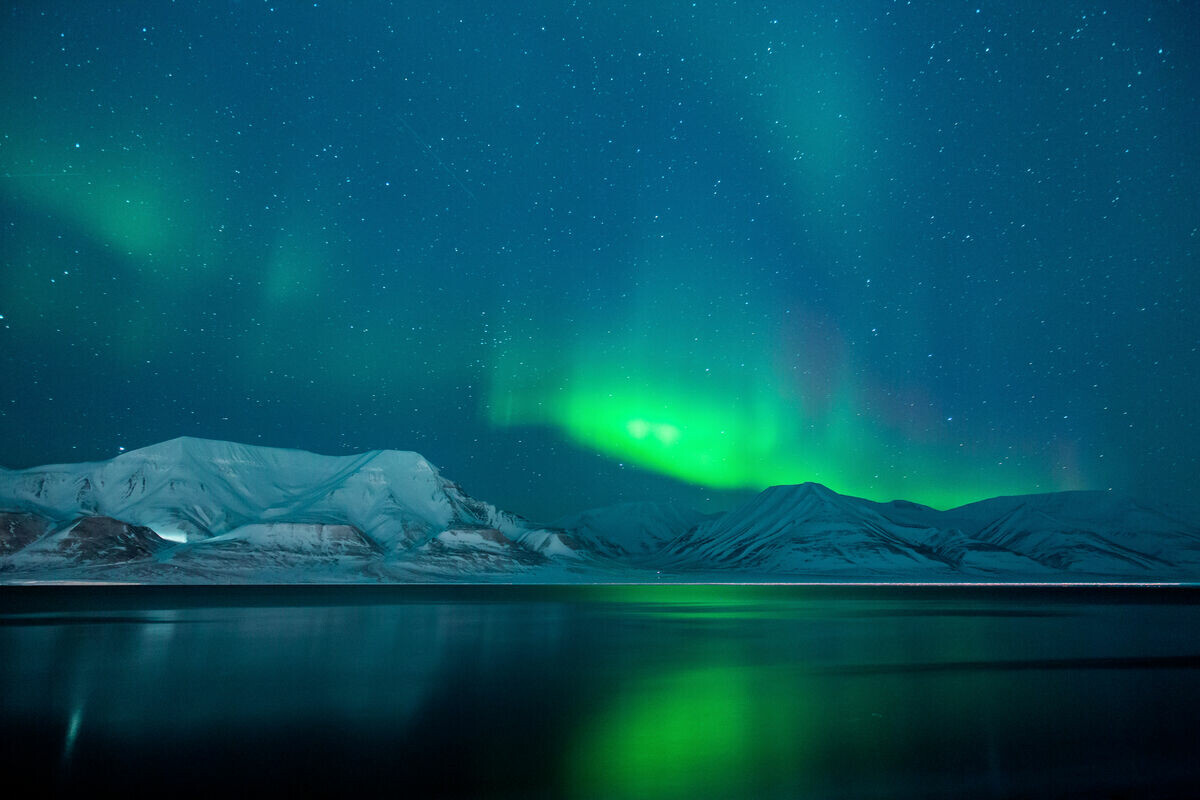
Norway is appealing all year round, but climate and daylight vary considerably between the south, the fjord region and the Arctic north. The summer months are often ideal for touring holidays and fjord scenery; the darker months in the north offer opportunities to see the Northern Lights.
| Travel experience | JJan | FFeb | MMar | AApr | MMay | JJun | JJul | AAug | SSep | OOct | NNov | DDec |
|---|---|---|---|---|---|---|---|---|---|---|---|---|
| Fjord and scenic tours | – | – | – | – | suitable | suitable | suitable | suitable | suitable | – | – | – |
| Cities and culture | – | – | – | – | suitable | suitable | suitable | suitable | suitable | – | – | – |
| Coasts and the Lofoten Islands | – | – | – | – | – | suitable | suitable | suitable | suitable | – | – | – |
| Midnight sun in northern Norway | – | – | – | – | suitable | suitable | suitable | – | – | – | – | – |
| Northern Lights in northern Norway | suitable | suitable | suitable | – | – | – | – | – | suitable | suitable | suitable | suitable |
| Winter experiences in northern Norway | suitable | suitable | suitable | – | – | – | – | – | – | – | – | suitable |
| Alpine hikes | – | – | – | – | – | suitable | suitable | suitable | suitable | – | – | – |
For guidance only, with no guarantee of weather, dates or availability. Midnight sun from around late May to mid-July, depending on location; Northern Lights sightings are not guaranteed. Alpine hikes and accessibility depend on altitude, weather and local conditions. Find out more about Norway